In recent years, interest in longevity science has skyrocketed, and one compound frequently discussed in this space is the rapamycin anti-aging supplement. Originally developed as an immunosuppressant, rapamycin has gained attention for its potential to influence aging pathways, cellular repair, and metabolic balance. While research is ongoing and its use for anti-aging is considered off-label, many consumers are seeking neutral, factual, and clear information before deciding whether it may be right for them.
This guide explains what rapamycin is, how it works, what science says, and what consumers should consider when exploring it as a longevity supplement.
1. What Is Rapamycin?
Rapamycin is a compound discovered in soil samples from Easter Island. It was originally approved to prevent organ transplant rejection due to its ability to modulate immune responses. Over time, scientists discovered that rapamycin affects a cellular pathway known as mTOR (mechanistic Target of Rapamycin), which plays a key role in cell growth, metabolic function, and aging.
The growing interest in the rapamycin anti-aging supplement comes from evidence suggesting that reduced mTOR activity may extend lifespan in various animal studies.
2. How Rapamycin Works in the Body
The mechanism behind rapamycin centers on the inhibition of the mTOR pathway. mTOR acts as a master regulator of growth and resource allocation. When mTOR is constantly active, it can contribute to accelerated aging, inflammation, and metabolic stress. Rapamycin temporarily slows this pathway, allowing the body to shift toward maintenance and repair.
Researchers believe this process supports healthier aging by encouraging autophagy, improving cellular cleanup, and potentially lowering inflammation associated with age-related decline.
3. Scientific Interest in Anti-Aging
Much of the discussion around the rapamycin anti-aging supplement comes from robust animal studies. Research in mice has shown consistent lifespan extension, even when rapamycin was started late in life. Additionally, studies indicate potential benefits for immune function, cardiac health, and cognitive resilience.
However, it's important to note that human research is still emerging. While the scientific community is optimistic, rapamycin is not yet approved specifically for anti-aging purposes in humans.
4. Why Rapamycin Has Gained Consumer Attention
There are several reasons why rapamycin has become one of the most talked-about longevity compounds:
1. Strong preclinical evidence supporting lifespan extension
2. A biological mechanism (mTOR inhibition) linked directly to aging
3. Increased global interest in longevity science
4. Availability of detailed scientific literature for informed consumers
5. Growing awareness through experts, podcasts, and research publications
These factors have positioned the rapamycin anti-aging supplement as a leading topic among individuals seeking credible, science-based longevity options.
5. Potential Benefits Being Studied
While results vary and human data is still limited, ongoing studies and early findings suggest rapamycin may support:
1. Enhanced autophagy and cellular cleanup
2. Lower inflammation levels
3. Improved immune balance
4. Better metabolic function
5. Potential reduction in age-related decline
It is essential to approach these potential benefits with realistic expectations, as they are not yet fully proven in human aging.
6. Considerations Before Using Rapamycin
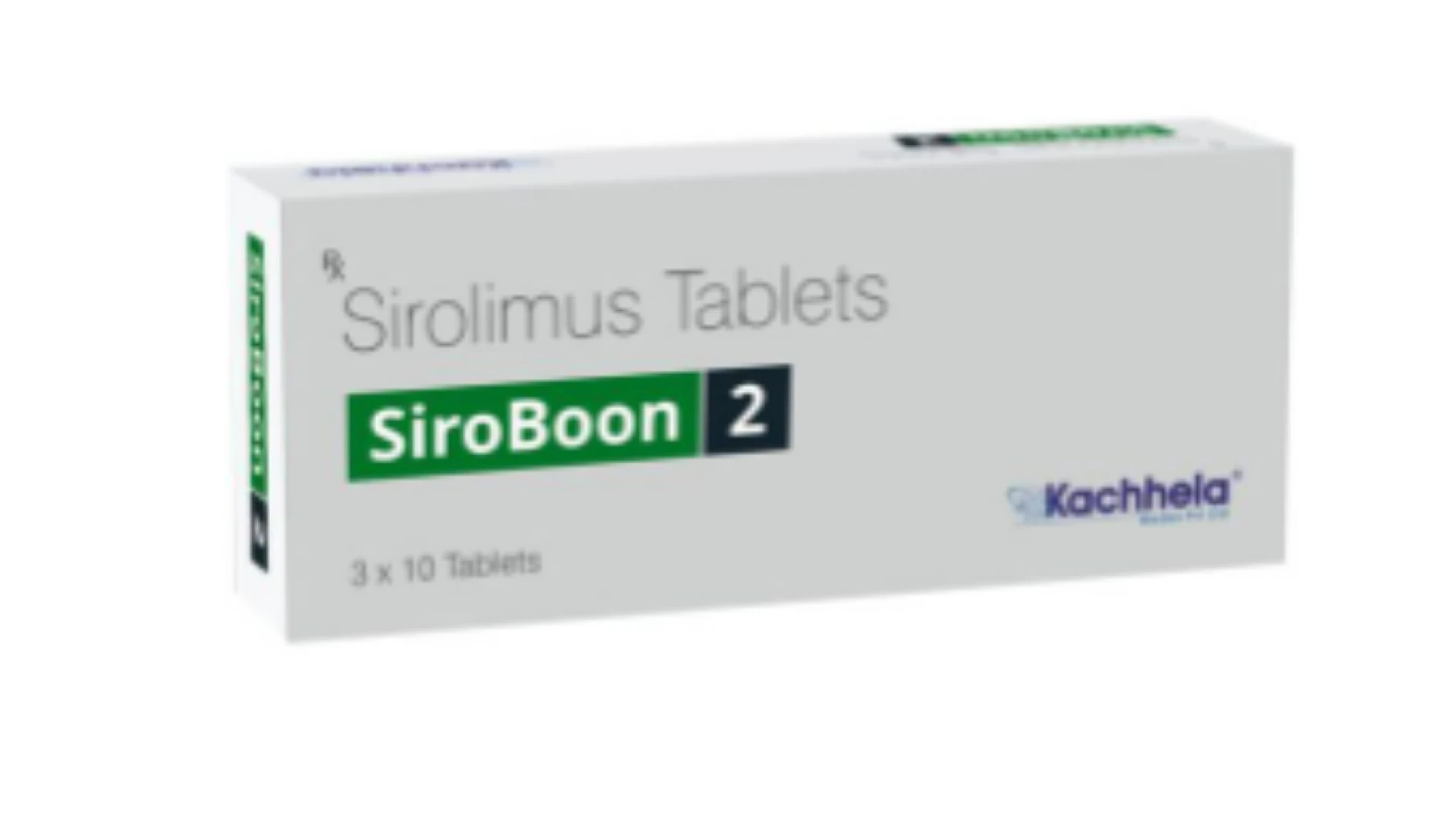
Because rapamycin is a prescription drug and not a conventional supplement, there are important considerations:
1. It is FDA-approved for specific medical uses, not anti-aging.
2. Off-label use should only be done under medical supervision.
3. Dosage varies widely and must be individualized.
4. Potential interactions with other medications must be evaluated.
5. Monitoring may be needed depending on usage and health status.
Consumers should never treat rapamycin like a typical over-the-counter supplement. Responsible use begins with professional guidance.
7. Understanding Possible Side Effects
Rapamycin’s effects depend heavily on dosing and individual health conditions. Potential side effects may include:
1. Mouth sores
2. Digestive discomfort
3. Changes in lipid levels
4. Immune modulation effects
5. Skin sensitivity or rashes
These effects are more common at high medical doses. Longevity researchers typically study intermittent, lower dosing strategies, but these are still experimental.
8. Quality, Authenticity, and Consumer Safety
As interest grows, so does the presence of unreliable or low-quality products. Anyone considering the rapamycin anti-aging supplement should prioritize:
1. Reliable sourcing from verified suppliers
2. Third-party testing standards
3. Accurate formulation and dosage consistency
4. Transparency about origin and quality control
5. Consumer support and clear product information
High-quality sourcing is essential because rapamycin is a precision compound that requires strict manufacturing standards.
9. The Future of Rapamycin Research
The expanding field of longevity science continues to study how rapamycin impacts age-related diseases, metabolic health, and long-term vitality. Key areas of interest include:
1. Human clinical trials for aging markers
2. Combinations with lifestyle interventions
3. Long-term safety outcomes
4. Optimized dosing strategies
5. Potential for preventative health use
With more studies underway, the future of the rapamycin anti-aging supplement may be shaped by clearer guidelines, stronger evidence, and more precise usage protocols.
10. Should Consumers Consider Rapamycin?
Rapamycin is a promising compound with strong scientific interest. However, consumers should approach it with careful consideration, awareness of its prescription status, and a commitment to safety.
Someone exploring rapamycin should always:
1. Consult a qualified medical professional
2. Understand the difference between approved uses and off-label use
3. Educate themselves on current research
4. Assess their personal health goals
5. Choose safe, authenticated sources if proceeding
Rapamycin is not a typical supplement and should be handled with the same seriousness as any prescription-grade medication.
The rapamycin anti-aging supplement has captured global attention for its scientific promise and connection to longevity pathways. While more research is needed before firm conclusions can be drawn, consumers can stay informed, prioritize safety, and follow evidence-based guidance as understanding continues to evolve.
If you'd like, I can also create a