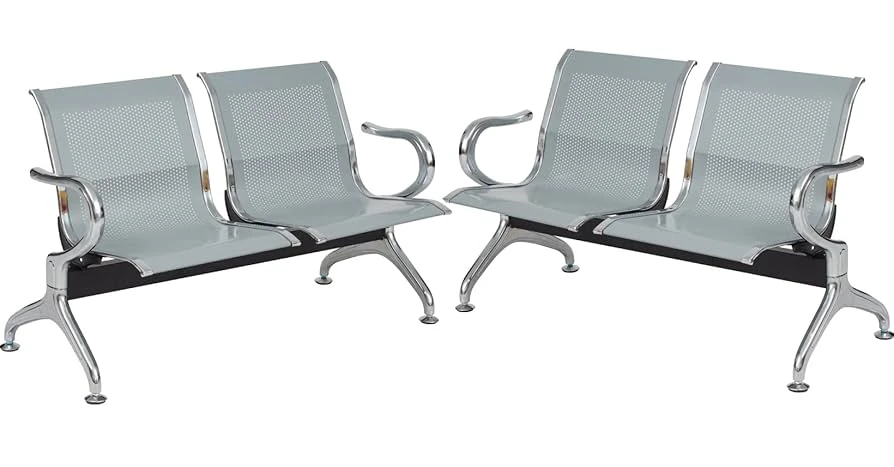
When furnishing a reception area, clinic, or office, waiting chairs are one of the most visible and frequently used investments you will make. However, the cost of sourcing high-quality seating can vary widely depending on many factors. Understanding what drives pricing helps you plan your budget more effectively and ensures you select chairs that deliver long-term value, durability, and comfort. This article will break down the key cost components to consider when working with a waiting chair manufacturer.
The Importance of Transparency and Planning
Before diving into details, it is important to approach any purchase with clear goals and open communication. A reputable waiting chair manufacturer will provide transparent pricing, detailed quotes, and guidance to help you align your budget with your requirements. The more specific you can be about your needs — from quantity to design features — the more accurate your pricing will be.
Material Selection and Quality
One of the most significant cost drivers is the materials used in the chairs. Higher-quality materials come at a premium but often deliver greater durability and ease of maintenance over time. When reviewing quotes, consider how each of these components influences pricing:
- Frames: Powder-coated steel and aluminum are more expensive than basic metals because they resist corrosion and scratches. Solid wood frames add additional cost due to material sourcing and finishing requirements.
- Upholstery: Performance fabrics, medical-grade vinyl, and genuine leather are pricier than basic textiles but are easier to clean and more resistant to stains and wear.
- Foam and cushioning: High-density and memory foam provide superior comfort and longevity, which increases material costs.
Though it can be tempting to select the lowest-cost options, investing in better materials often reduces the need for early replacement.
Design Complexity and Customization
The design and level of customization also affect overall cost. Standard models in popular configurations are typically more affordable because they are produced in higher volumes and require fewer changes to production processes. However, if you want chairs that align precisely with your brand or space, you may pay more for:
- Custom upholstery colors or branded embroidery
- Unique dimensions or configurations
- Special armrests, legs, or finishes
- Modular seating arrangements
Customized designs often have longer lead times and minimum order requirements, so it is essential to plan accordingly.
Production Volume
The quantity you order plays a critical role in determining the unit price. Larger orders usually benefit from economies of scale because manufacturers can spread setup and production costs across more units. This means that ordering 200 chairs will often cost less per piece than ordering 20. Be sure to ask about volume discounts or pricing tiers to maximize your budget.
Compliance and Certifications
Depending on your industry and location, you may require chairs that meet specific standards or certifications. Complying with these requirements can increase costs due to additional testing, higher-grade materials, and documentation. Examples include:
- ANSI/BIFMA standards for commercial furniture durability
- Fire-retardant treatments
- ADA accessibility requirements
When comparing suppliers, confirm which certifications are included in their pricing and which may incur additional fees.
Shipping and Logistics
Freight and delivery costs can be significant, especially if your chairs are large, heavy, or require special handling. Factors affecting shipping expenses include:
- Distance from the manufacturer’s facility
- Packaging requirements to protect against damage
- Assembly needs (flat-packed versus fully assembled)
- Customs duties for international orders
A clear understanding of logistics costs will help you avoid surprises in your final invoice.
Installation and Assembly
Many projects require installation or assembly services, which may be billed separately. Some manufacturers offer turnkey solutions that include delivery, unpacking, and setup, while others provide basic curbside delivery only. Installation costs vary based on:
- Complexity of assembly
- Quantity of seating
- Accessibility of the installation site
- Labor rates in your region
Be sure to clarify these details before signing your purchase agreement.
Warranty and After-Sales Support
Finally, consider what warranties and after-sales services are included in the cost. A longer warranty period can be a valuable investment, as it reflects the manufacturer’s confidence in their products and can save you money on repairs or replacements. Ask about:
- Warranty duration and coverage details
- Replacement part availability
- Return policies
- Customer service support
These services can add value that is worth factoring into your budget.
Conclusion
When sourcing waiting chairs, it’s important to look beyond the price tag alone. The true cost includes materials, design, compliance, shipping, and long-term support. By understanding each of these factors, you can make informed decisions that balance quality and budget while ensuring your space is comfortable, professional, and built to last. Working with a transparent and reputable manufacturer will help you navigate these decisions confidently and get the best return on your investment.