When it comes to achieving smooth, youthful skin, Chemical Peeling in Islamabad is one of the most effective treatments available. This procedure involves the application of a chemical solution that exfoliates the skin, removes damaged layers, and promotes the regeneration of new, healthier skin cells. It is widely used for treating acne scars, fine lines, hyperpigmentation, and overall skin rejuvenation.
If you are considering Chemical Peeling in Islamabad, it is important to understand the process to ensure you are well-prepared. This step-by-step guide will walk you through everything you need to know about chemical peels, from consultation to post-treatment care.
Step 1: Consultation and Skin Assessment
Before undergoing a chemical peel, the first step is to schedule a consultation with a dermatologist or skincare specialist. During this consultation:
✔ Skin Type Analysis: The expert will assess your skin type and concerns to determine if you are a suitable candidate.
✔ Medical History Review: Any allergies, medications, or underlying skin conditions will be discussed to avoid complications.
✔ Treatment Goals: The dermatologist will understand your goals, whether it’s reducing wrinkles, acne scars, or improving skin texture.
✔ Choosing the Right Peel: Based on the assessment, the right type and strength of chemical peel will be recommended.
Chemical peels vary in intensity—superficial, medium, and deep. Each type targets different skin concerns and requires a different level of downtime.
Step 2: Preparing for the Chemical Peel
Proper preparation ensures the best possible results and minimizes risks. Here’s how you should prepare:
✔ Avoid Sun Exposure: Stay out of direct sunlight for at least a week before the treatment. Sunburned skin can react negatively to the peel.
✔ Discontinue Certain Skincare Products: Avoid retinoids, exfoliants, and strong acids at least five days before the procedure.
✔ Hydrate Your Skin: Keep your skin well-moisturized to support the healing process.
✔ Stop Waxing or Threading: Hair removal treatments should be avoided a week before to prevent irritation.
✔ Stay Away from Harsh Treatments: Avoid laser treatments, facials, or microdermabrasion for at least two weeks before your peel.
Following these precautions will help ensure your skin is in the best condition for the treatment.
Step 3: The Chemical Peel Procedure
On the day of the procedure, your skin specialist will follow a structured process to apply the peel safely.
1. Cleansing the Skin
Your face will be thoroughly cleansed to remove any dirt, oil, or makeup. This ensures the chemical solution penetrates evenly.
2. Applying the Chemical Solution
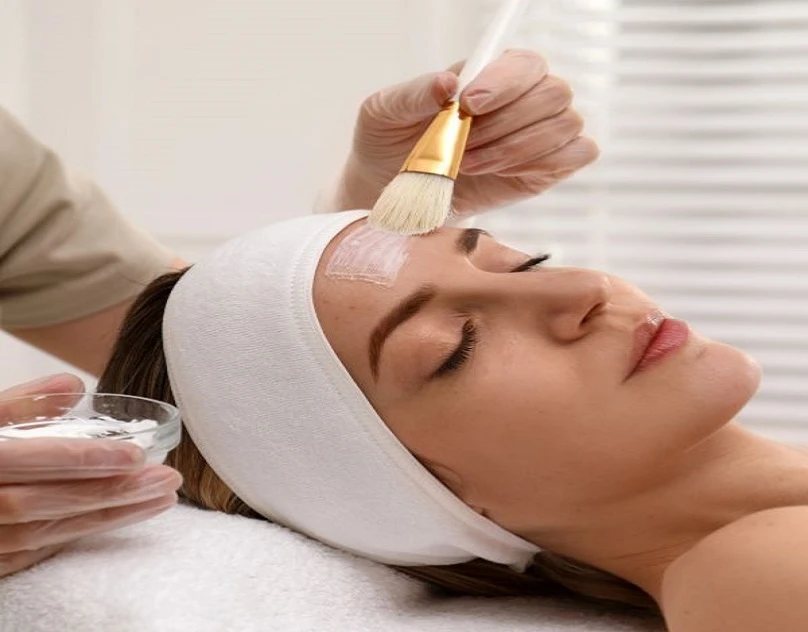
The chosen peel solution will be carefully applied to the skin using a brush or cotton applicator. The type of acid used depends on your skin concern:
✔ Glycolic Acid: Ideal for exfoliation and brightening.
✔ Salicylic Acid: Best for acne-prone and oily skin.
✔ Lactic Acid: Hydrating and gentle, suitable for sensitive skin.
✔ TCA (Trichloroacetic Acid): Used for deeper wrinkles and pigmentation.
✔ Phenol: The strongest peel for severe wrinkles and scars.
3. Monitoring the Reaction
As the peel works on your skin, you might experience a mild tingling or burning sensation. The specialist will monitor your skin’s response to ensure it does not overreact.
4. Neutralizing the Peel (if necessary)
For some peels, a neutralizing solution is applied to stop the chemical reaction. Others, like salicylic acid peels, self-neutralize over time.
5. Applying a Soothing Mask or Moisturizer
After the peel is removed, a calming moisturizer or a cold compress may be applied to reduce redness and irritation. Sunscreen is also applied to protect your skin from UV damage.
Step 4: Immediate Aftercare and Downtime
After the procedure, your skin will be sensitive, and proper aftercare is crucial. Here’s what to expect:
✔ Redness and Sensitivity: Your skin may appear red and feel slightly irritated, similar to a mild sunburn.
✔ Peeling and Flaking: Depending on the strength of the peel, you may experience peeling within 2-3 days.
✔ Tightness and Dryness: Your skin may feel dry as it heals and regenerates.
Post-Peel Care Tips:
✔ Avoid Touching Your Face: Do not pick or peel the flaking skin, as it can lead to scarring.
✔ Use Gentle Skincare Products: Stick to mild, hydrating cleansers and moisturizers.
✔ Apply Sunscreen Daily: Use SPF 30 or higher to protect your skin from UV damage.
✔ Stay Hydrated: Drink plenty of water to help your skin recover faster.
✔ Avoid Makeup: Let your skin breathe for at least 24-48 hours after the peel.
Step 5: Long-Term Results and Maintenance
The final results of a chemical peel become noticeable after the peeling process is complete. Depending on the type of peel used, your skin will look:
✔ Brighter and More Radiant: Dead skin cells are removed, revealing fresh, glowing skin.
✔ Smoother and Softer: Fine lines, acne scars, and rough texture are minimized.
✔ Even-Toned: Hyperpigmentation, dark spots, and sun damage are significantly reduced.
How Often Should You Get a Chemical Peel?
✔ Superficial Peels: Every 3-4 weeks for maintenance.
✔ Medium Peels: Every 3-6 months, depending on skin condition.
✔ Deep Peels: Once every few years, as they provide long-lasting results.
Regular chemical peels help maintain a youthful, blemish-free complexion over time.
Who Can Benefit from Chemical Peels?
✔ Individuals with dull, uneven skin tone
✔ Those struggling with acne and acne scars
✔ People with fine lines and early signs of aging
✔ Individuals dealing with hyperpigmentation or sun damage
✔ Anyone looking for an effective exfoliation method
However, chemical peels are not suitable for everyone. If you have extremely sensitive skin, active skin infections, or a history of keloid scarring, consult a dermatologist to discuss alternative treatments.
Are There Any Risks?
While chemical peels are generally safe, there are some risks if not done correctly:
✔ Skin Irritation: Redness, burning, or swelling in some cases.
✔ Hyperpigmentation: Temporary dark spots, especially in darker skin tones.
✔ Scarring (Rare): Only occurs if aftercare instructions are not followed.
Choosing an experienced professional reduces the risk of complications and ensures the best results.
Where to Get the Best Chemical Peeling in Islamabad?
If you are considering Chemical Peeling in Islamabad, it is important to choose a reputable clinic with experienced dermatologists. A professional assessment ensures you receive the right type of peel for your skin, minimizing risks and maximizing benefits.
For expert skincare treatments and personalized consultations, visit Dynamic Clinic. Their specialists offer customized chemical peels tailored to your skin’s needs. Book your appointment today and achieve healthier, rejuvenated skin!