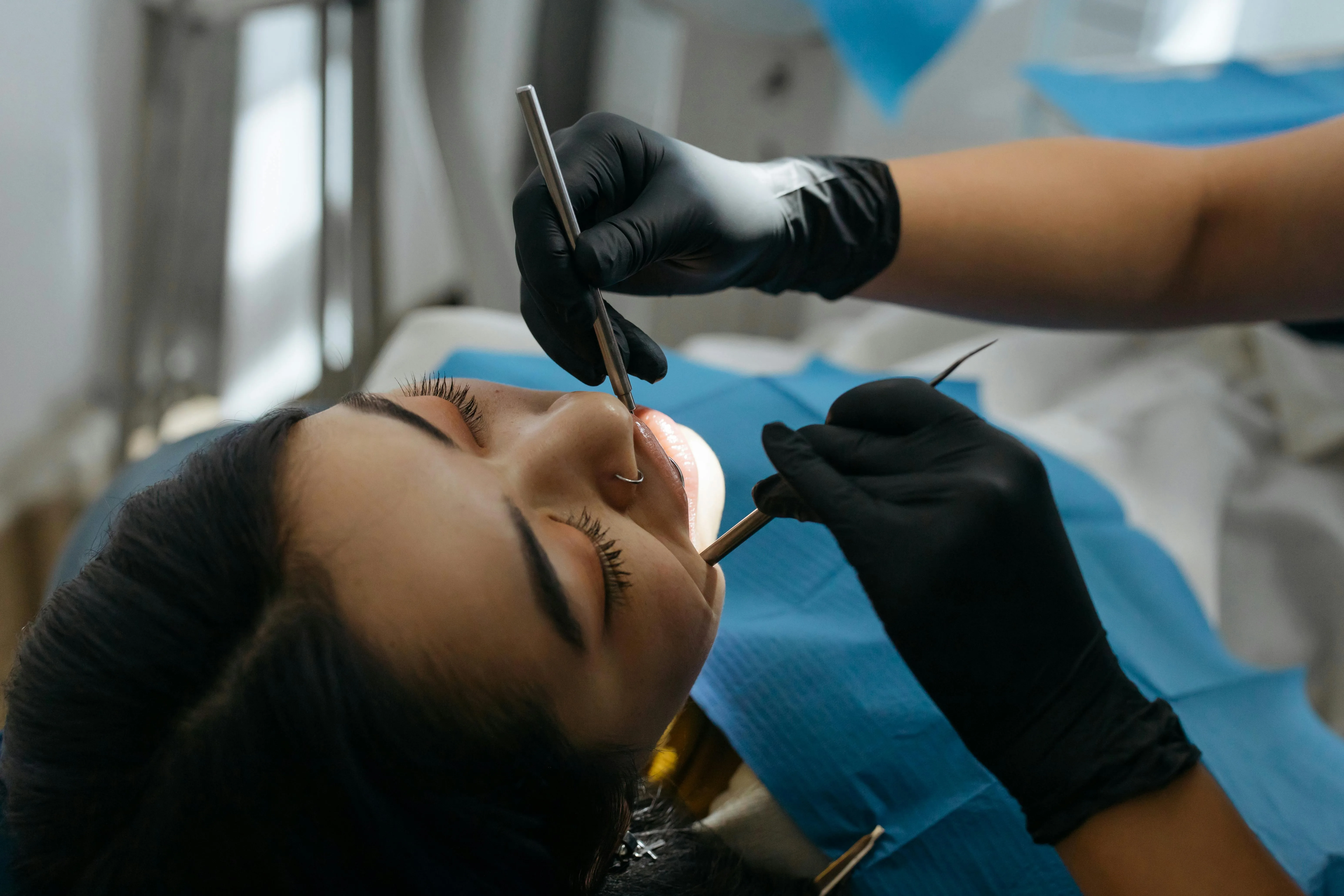
Preventive dental care is the foundation of maintaining a healthy smile and avoiding complex dental problems in the future. Rather than waiting for issues like tooth decay or gum disease to develop, preventive care focuses on consistent habits and professional support to keep your teeth and gums in optimal condition. By prioritizing these practices and visiting the best dentist regularly, individuals can protect not only their oral health but also their overall well-being.
At its core, preventive dental care is about stopping problems before they start. The mouth is constantly exposed to bacteria, food particles, and acids that can gradually damage teeth and gums if not properly managed. Plaque, a sticky film of bacteria, forms on the teeth throughout the day. If it is not removed through regular brushing and flossing, it can harden into tartar, which contributes to tooth decay and gum disease. This process often begins silently, without noticeable symptoms, making routine care essential for early prevention.
Daily oral hygiene plays a critical role in preventive dental care. Brushing your teeth at least twice a day helps remove plaque and food debris from the surfaces of your teeth. Using a fluoride toothpaste strengthens enamel and provides an additional layer of protection against decay. Flossing is equally important, as it cleans the spaces between teeth and along the gumline where a toothbrush cannot reach. These simple habits, when practiced consistently, significantly reduce the risk of developing cavities and gum issues.
While home care is essential, professional dental visits are just as important in maintaining oral health. Regular checkups allow the best dentist to examine your teeth and gums for early signs of problems that may not be visible or noticeable to you. Professional cleanings remove tartar buildup that cannot be eliminated through brushing alone, helping to keep your teeth and gums healthy. These visits also provide an opportunity to receive personalized advice based on your specific dental needs, ensuring that your preventive care routine is as effective as possible.
Diet and nutrition also play a major role in preventive dental care. The foods and beverages you consume directly impact the health of your teeth. Sugary and acidic items can weaken enamel and create an environment where harmful bacteria thrive. Over time, this can lead to tooth decay and increased sensitivity. Choosing a balanced diet that includes fruits, vegetables, whole grains, and calcium-rich foods supports strong teeth and healthy gums. Drinking water throughout the day helps rinse away food particles and maintains a healthy balance in the mouth.
Another important aspect of preventive dental care is understanding the impact of lifestyle choices. Habits such as smoking or excessive alcohol consumption can have negative effects on oral health, increasing the risk of gum disease, tooth loss, and even oral cancer. Making healthier lifestyle decisions not only benefits your teeth and gums but also contributes to overall health. Preventive care is not limited to brushing and flossing; it involves a holistic approach that considers all factors affecting your well-being.
Fluoride treatments and dental sealants are additional preventive measures that can provide extra protection, especially for children and individuals prone to cavities. Fluoride helps strengthen enamel, making it more resistant to decay, while sealants act as a protective barrier on the chewing surfaces of the teeth. These treatments are often recommended by the best dentist as part of a comprehensive preventive care plan tailored to each patient’s needs.
Consistency and awareness are key elements of effective preventive dental care. Paying attention to early signs such as bleeding gums, persistent bad breath, or tooth sensitivity can help identify potential issues before they become serious. Ignoring these warning signs can lead to more complex problems that require extensive and costly treatments. By addressing concerns early and maintaining regular dental visits, individuals can avoid unnecessary discomfort and protect their oral health.
Preventive dental care also has a strong connection to overall health. Research has shown that poor oral health can be linked to various systemic conditions, including heart disease and diabetes. Inflammation and bacteria in the mouth can enter the bloodstream and affect other parts of the body. By maintaining good oral hygiene and visiting the best dentist regularly, individuals can reduce the risk of these complications and support their overall health.
Another benefit of preventive dental care is the long-term cost savings it offers. Treating advanced dental problems such as cavities, gum disease, or tooth loss can be expensive and time-consuming. In contrast, preventive care focuses on simple, affordable practices that help avoid these issues altogether. Investing in regular checkups and maintaining good oral hygiene can save both time and money while ensuring a healthier smile.
Education and awareness also play a vital role in preventive dental care. Understanding the importance of proper techniques and the impact of daily habits empowers individuals to take control of their oral health. The best dentist not only provides treatment but also educates patients on how to maintain their teeth and gums effectively. This partnership between patient and dental professional is essential for achieving long-term success in preventive care.
Ultimately, preventive dental care is about building a routine that supports lifelong oral health. It involves a combination of daily habits, professional care, and mindful lifestyle choices that work together to protect your teeth and gums. By staying consistent and proactive, individuals can enjoy a healthy, confident smile and reduce the risk of developing serious dental problems.
A strong commitment to preventive dental care goes beyond aesthetics. It reflects a dedication to overall health and well-being. By making oral hygiene a priority and seeking guidance from the best dentist, you can ensure that your smile remains healthy for years to come while also supporting your general health in meaningful ways.