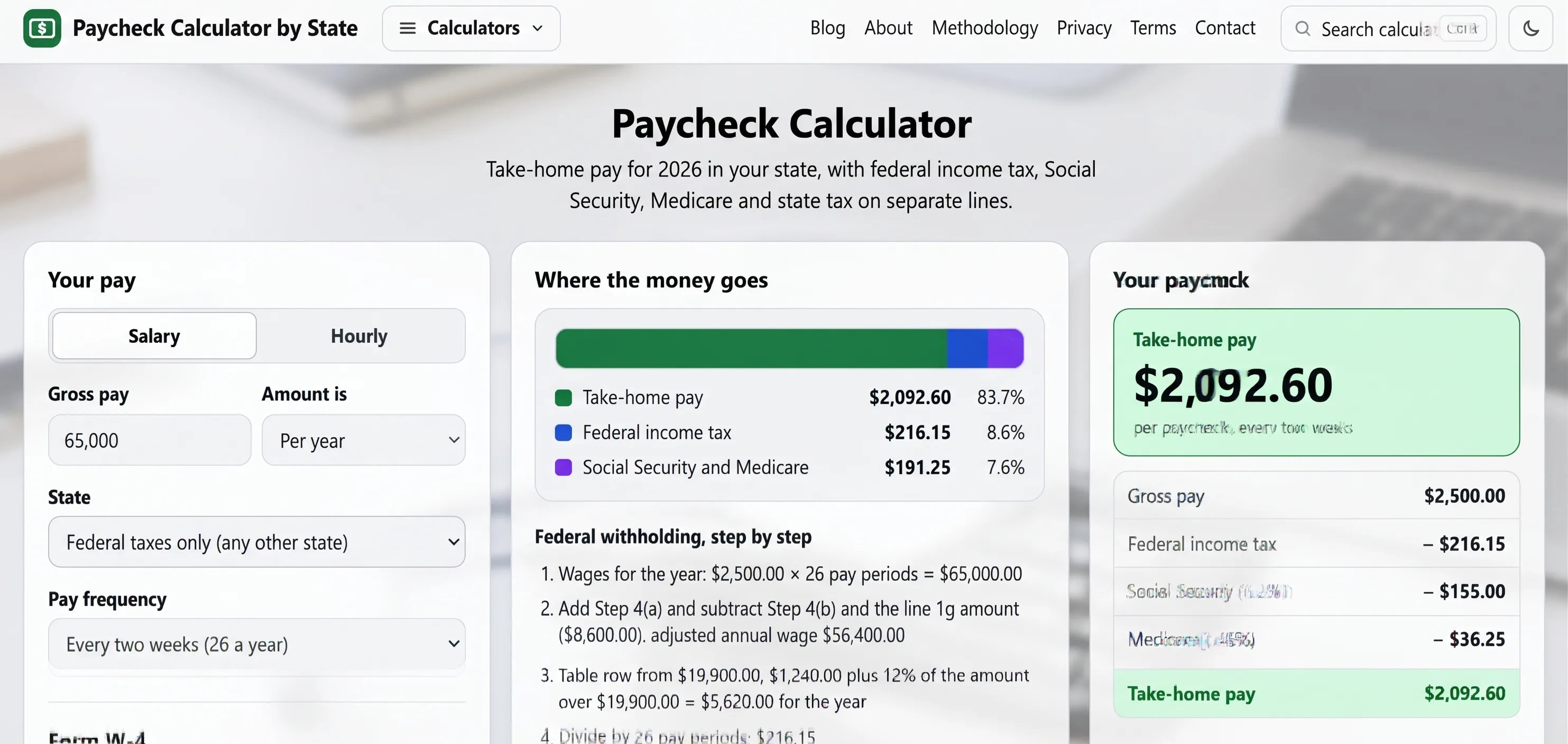
When you receive your job offer or paycheck stub, the total number you see isn't always what ends up in your bank account. There is often a noticeable difference between your gross earnings and your actual take-home salary. Understanding how payroll deductions work is essential for accurate personal budgeting and financial planning.
Gross Pay vs. Net Pay- Gross Pay: This is the total amount of money you earn before any taxes, insurance premiums, or retirement contributions are taken out. For hourly workers, it is calculated by multiplying hours worked by the hourly rate. For salaried employees, it is the total annual compensation divided by the number of annual pay cycles.
- Net Pay: Commonly referred to as "take-home pay," this is the final amount you receive after all mandatory and voluntary withholdings are deducted from your gross earnings.
- Pre-Tax Deductions: Before taxes are applied to your income, certain amounts can be deducted to lower your taxable gross income. These usually include traditional 401(k) or 403(b) retirement plans, health and dental insurance premiums, and Flexible Spending Accounts (FSA) or Health Savings Accounts (HSA).
- Mandatory Federal Taxes: Every working individual in the United States is subject to federal payroll taxes. This includes FICA taxes, which consist of Social Security (6.2%) and Medicare (1.45%). Additionally, Federal Income Tax is withheld based on the tax brackets set by the IRS and the details provided on your Form W-4.
- State and Local Income Taxes: State tax rules vary significantly across the country. Some states, such as Texas, Florida, and Washington, do not levy a state income tax on earned wages. On the other hand, states like California, New York, and Hawaii have progressive state tax rates that can substantially reduce your net salary. Local city or county taxes may also apply depending on where you live and work.
- Post-Tax Deductions: These are withholdings applied after all taxes have been deducted, such as Roth IRA contributions, union dues, or legal wage garnishments.
Because tax rates, state laws, and voluntary benefit programs vary so widely, calculating your precise take-home salary manually can be complicated and time-consuming.
Using a reliable online tool like a Paycheck Calculator by State allows you to instantly compute your exact net income based on your state residency, filing status, pay frequency, and individual tax deductions. By keeping track of your withholdings, you can better manage your monthly expenses and avoid unexpected surprises during tax season.