
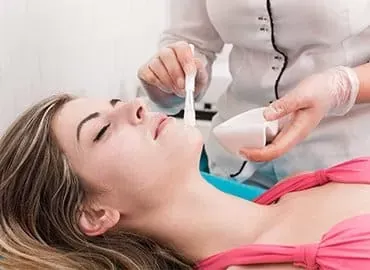
A little sample of skin tissue is taken and studied under a microscope during a skin biopsy. This test aims to detect cellular abnormalities that might not be apparent with a basic physical examination. When a skin lesion, growth, or rash does not improve with therapy or appears to be potentially dangerous, doctors frequently suggest a skin biopsy. The majority of patients have little discomfort, and they often recover quickly.
Who Makes a Good Cryotherapy Candidate?
For individuals with early-stage squamous cell carcinoma or superficial basal cell carcinoma, cryotherapy for skin cancer is usually advised. It is also frequently used for precancerous lesions that, if neglected, might progress to malignancy.
But not all patients are good candidates. Advanced therapies, such as surgical excision, may be necessary for tumours that are larger, deeper, or more aggressive. In order to reduce scarring, lesions situated in regions that are sensitive to cosmetics may require different techniques. To ascertain if cryotherapy is suitable, a comprehensive assessment by a dermatologist is necessary.
What to Anticipate Along the Process
The physician carefully cleans the region and numbs the skin with a local anaesthetic before starting a skin biopsy. The actual biopsy is usually painless; patients may experience a slight sting from the injection. Although the procedure's duration varies depending on the approach employed, it usually takes less than half an hour.
Following sample collection, the incision is either sutured or bandaged. Instructions are given to patients on how to maintain the site, which includes keeping it dry and clean. For a few days, little stiffness or tenderness is typical, although discomfort may typically be managed with over-the-counter painkillers.
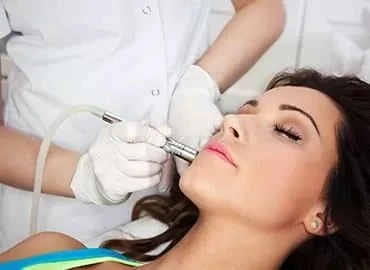
Comprehending Skin Cancer and Prompt Intervention
One of the most prevalent types of cancer in the world is skin cancer. It appears when aberrant skin cell growth occurs, frequently as a result of extended exposure to UV radiation from tanning beds or the sun. Melanoma, squamous cell carcinoma, and basal cell carcinoma are the most prevalent varieties. When found early, basal and squamous cell carcinomas are frequently curable, while melanoma is more aggressive.
An effective therapy depends on an early diagnosis. To confirm the diagnosis, dermatologists may perform a biopsy after closely examining any abnormal growths, lesions, or moles. The kind, size, depth, and location of the malignancy all affect the available treatment choices after confirmation. For superficial and early-stage instances of skin cancer, cryotherapy is frequently suggested among these alternatives.
Cryotherapy's Advantages for Skin Cancer
One of cryotherapy's main benefits for treating skin cancer is its less invasive nature. It doesn't involve any cutting or suturing as surgery does. Many people find it to be a handy alternative because it lowers the chance of bleeding.
In addition, the process is quicker and less expensive than more involved surgical procedures. Patients value the ease of use and effectiveness because it may be completed in a single clinic visit. The comparatively low risk of complications is another advantage. Serious adverse effects are rare when the treatment is carried out by a skilled physician, some scarring or colour changes may occur.