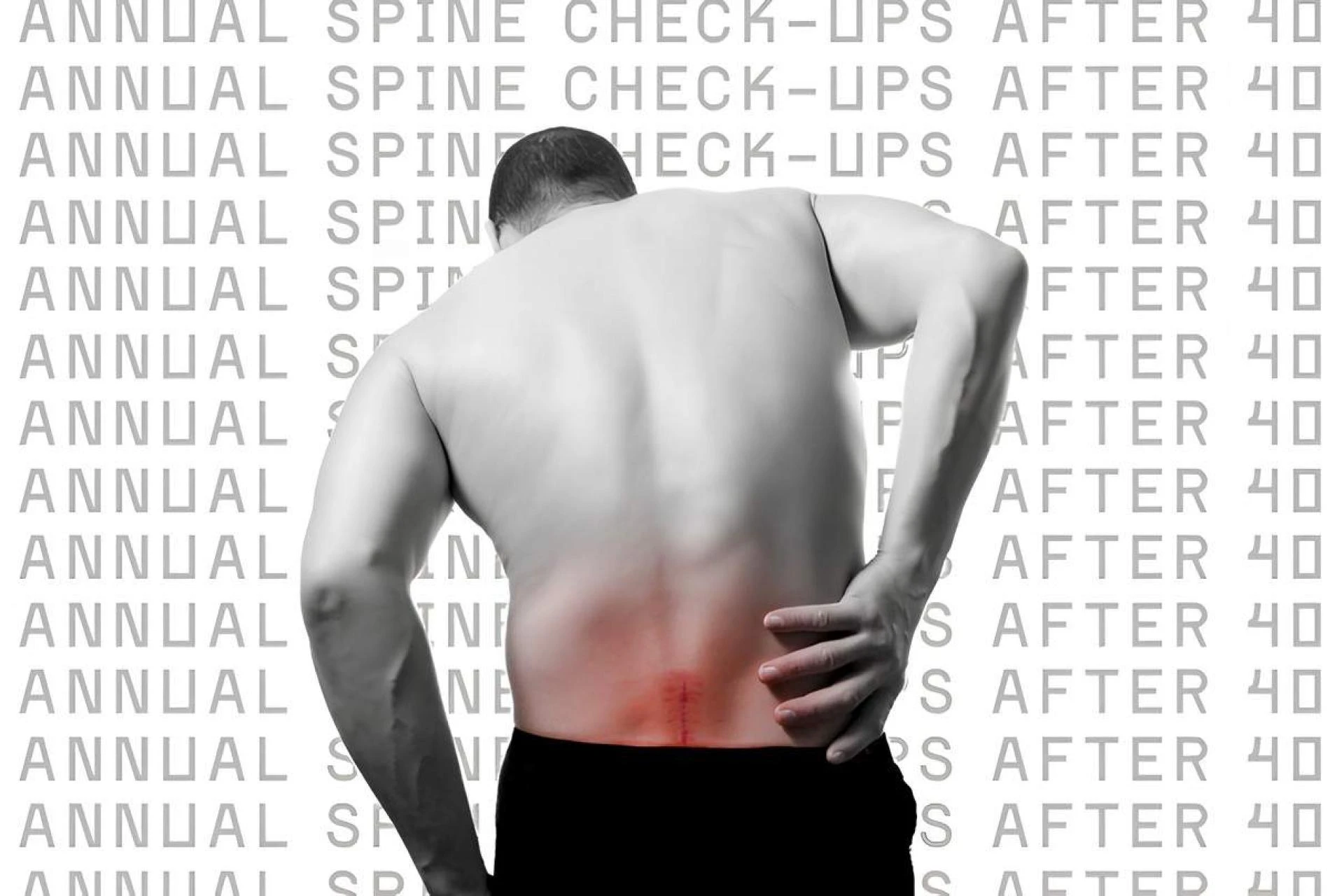
Lower back pain is extremely common, but when it becomes so severe that you cannot walk, cannot stand properly, or struggle to take even a few steps, it signals a more serious underlying issue. Pain that restricts mobility is rarely just a simple muscle strain. In most cases, it reflects a deeper problem involving the spinal discs, nerves, joints, or spinal canal.
This expanded note explains why walking becomes difficult, the major medical causes, warning signs, and the importance of early diagnosis, especially for individuals in regions with limited access to spine care.
Why Walking Becomes Difficult
Walking is a coordinated movement involving several parts of the body working together:
- The lumbar spine, which supports body weight
- The nerves that control the legs
- The pelvis and hip joints, which stabilize movement
- The leg muscles, which generate motion
When the lower back is injured or when a nerve becomes compressed, this coordination breaks down. Even small movements can send sharp pain through the spine or legs, making it difficult to walk comfortably or maintain balance.
Common reasons behind mobility-restricting back pain include:
1. Nerve root compression
Nerve roots exiting the lower spine can become irritated or compressed due to disc problems, bone growth (bone spurs), or inflammation.
2. Disc herniation
A slipped or bulging disc can press on nearby nerves, causing intense pain and difficulty moving.
3. Spinal canal narrowing
When the canal holding the spinal cord becomes narrow, nerves have less space, leading to pain while walking.
4. Acute muscle spasms
Sudden tightening of the back muscles can temporarily limit movement and lock the lower spine.
5. Vertebral instability
Instability occurs when one vertebra slips forward, causing stress on the nerves and reducing walking ability. Each of these issues affects the spine’s ability to support movement, which is why walking becomes difficult or painful.
Below are the most common medical reasons for severe lower back pain that interferes with walking.
1. Lumbar Disc Herniation (Slipped Disc)
A slipped disc occurs when the soft inner material of a spinal disc pushes through its outer layer. When this protrusion presses on the nearby nerve roots, it can cause:
- Severe lower back pain
- Pain radiating down the legs (nerve pain)
- Numbness or tingling in the legs or feet
- Weakness that makes it difficult to walk or stand
In many cases, people feel their legs “giving way,” or they may walk with a bent posture because standing straight increases the pain. Disc herniation is one of the leading causes of mobility-limiting back pain.
2. Sciatica
Sciatica refers to irritation or compression of the sciatic nerve — the largest nerve in the body. It starts in the lower back and runs down each leg.
Symptoms include:
- Sharp, shooting pain from the lower back to the leg
- Pain that increases with walking or standing
- Tingling, burning, or numbness in the leg
- Difficulty lifting the foot or moving the leg smoothly
People with severe sciatica often find that they can only walk short distances before needing to sit or lean forward for relief.
3. Spinal Stenosis
Spinal stenosis is the narrowing of the spinal canal, usually due to age-related degeneration, thickened ligaments, or bone growth.
Symptoms often include:
- Heaviness or weakness in the legs
- Pain or discomfort after walking even a short distance
- Relief when bending forward or sitting
- Difficulty maintaining posture while walking
This condition reduces the space for nerves, causing pain when standing or walking for prolonged periods.
4. Muscle Spasm or Severe Strain
A sudden movement, incorrect posture, or lifting something heavy can cause a severe muscle spasm. While this is typically less serious than nerve compression, the pain can still be intense.
A severe spasm may lead to:
- Locked lower back
- Sudden stiffness
- Restricted walking or bending
- Difficulty bearing weight
Muscle spasms often improve with rest, heat therapy, and proper stretching, but persistent spasms require medical evaluation.
5. Spondylolisthesis
Spondylolisthesis occurs when one vertebra slips forward over the one below it. When this slippage compresses nerves, symptoms can include:
- Lower back stiffness
- Pain while walking
- Tightness in the hamstrings
- Leg numbness or weakness
This vertebral displacement reduces spinal stability and can significantly limit walking ability.
Certain symptoms indicate a potentially serious spinal condition that requires urgent medical attention:
Seek immediate help if you experience:
- Sudden inability to walk
- Loss of bladder or bowel control
- Numbness in the inner thighs or groin (saddle anesthesia)
- Severe or sudden leg weakness
- Pain following a fall, accident, or trauma
- Fever combined with back pain (possible infection)
- Progressive numbness or tingling
These symptoms may indicate:
- Cauda equina syndrome
- Spinal fractures
- Infections such as spinal abscess
- Tumors or severe nerve compression
Prompt treatment is essential to prevent permanent nerve damage.
Early evaluation and treatment can make a significant difference in recovery.
Early diagnosis helps prevent:
- Permanent nerve damage
- Progressive weakness
- Chronic or long-term disability
- Loss of mobility or balance
- Worsening pain and complications
In many rural and underserved communities, individuals often ignore back pain until it becomes severe. Due to lack of access to specialists, people may continue working through pain, worsening the underlying condition. Awareness, timely medical check-ups, and access to spine care are essential to prevent long-term complications. Understanding the cause of severe lower back pain allows healthcare providers to suggest the right treatment , such as physiotherapy, medication, lifestyle changes, or surgery when required.
The Spine Foundation