
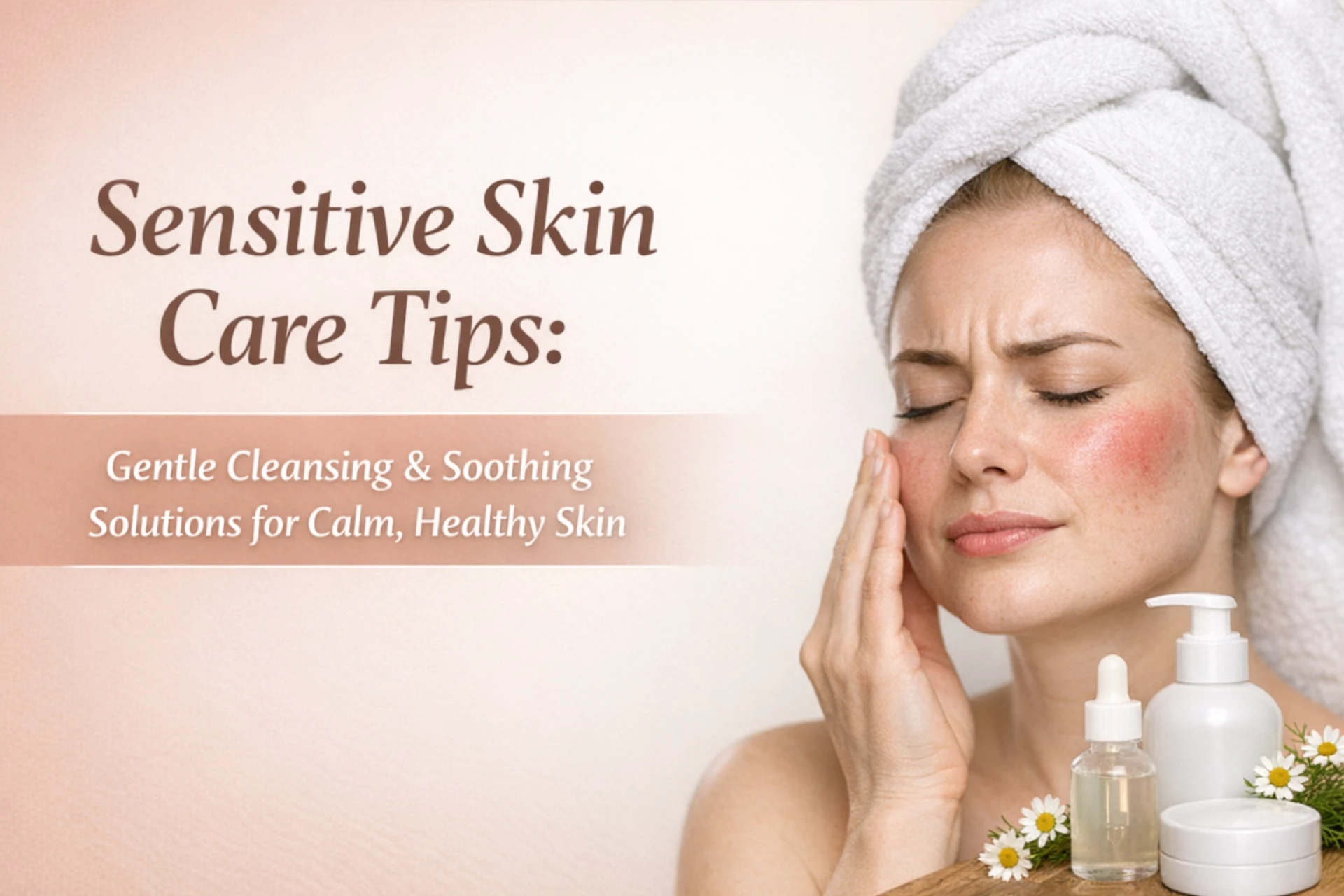
Sensitive skin is a condition in which the skin reacts more easily to external factors. People with sensitive skin often experience redness, itching, dryness, burning sensations, or tightness after using certain products or being exposed to weather changes. This happens because the skin’s natural protective barrier is weaker than normal.
The skin barrier plays a very important role in keeping moisture inside and protecting the skin from irritants such as pollution, bacteria, allergens, and harsh chemicals. When this barrier is damaged, the skin loses hydration quickly and becomes more reactive.
Sensitive skin is not a specific skin type. It can affect people with dry, oily, or combination skin. Some people are born with it, while others develop it over time due to stress, hormonal changes, environmental exposure, or repeated use of harsh skincare products.
Understanding your skin’s needs is the first step toward building a routine that keeps it healthy and comfortable.
Why Cleansing Is So Important
Cleansing is one of the most basic steps in skincare, yet it is often the most damaging for sensitive skin. Many regular soaps and cleansers contain strong detergents, sulfates, alcohol, and artificial fragrances. These ingredients strip away natural oils from the skin, leaving it dry and irritated.
For sensitive skin, cleansing should be gentle and non-drying. The purpose of cleansing is not to make the skin feel “tight” or squeaky clean, but to remove dirt, sweat, and impurities without damaging the skin barrier.
Using a body wash for sensitive skin helps clean the skin while maintaining its natural balance. Such products are designed to be mild, soothing, and less likely to cause allergic reactions. They support hydration instead of removing essential moisture.
Gentle cleansing allows sensitive skin to stay clean, fresh, and comfortable without triggering irritation.
The Right Way to Bathe with Sensitive Skin
How you bathe is just as important as what you use. Hot water may feel relaxing, but it can seriously harm sensitive skin. Hot showers remove essential oils from the skin and increase dryness, which leads to itching and redness.
Lukewarm water is the safest option. It cleans effectively without damaging the skin barrier. Keeping showers short, ideally under 10 minutes, also helps prevent excessive moisture loss.
After bathing, avoid rubbing the skin with a towel. Instead, gently pat the skin dry. Rubbing creates friction, which can worsen irritation and make the skin more sensitive.
The Importance of Moisturizing Daily
Moisturizing is one of the most important steps for people with sensitive skin. Since the skin barrier is weak, moisture escapes easily, leading to dryness and discomfort.
Applying moisturizer immediately after bathing helps lock in moisture and prevent water loss. This method is often called “soak and seal” and is highly effective for sensitive skin.
Thick creams and ointments usually work better than light lotions because they provide longer-lasting hydration. Fragrance-free moisturizers are the safest choice, as artificial scents are one of the most common triggers for skin reactions.
With consistent moisturizing, sensitive skin becomes stronger, smoother, and less prone to irritation.
Ingredients to Avoid for Sensitive Skin
Reading ingredient labels is essential for managing sensitive skin. Some ingredients that are commonly found in skincare products can cause irritation or allergic reactions.
Common ingredients to avoid include:
- Artificial fragrances
- Alcohol-based formulas
- Sulfates
- Parabens
- Strong exfoliating acids
These ingredients may be suitable for normal skin, but they often damage sensitive skin and weaken the natural barrier.
Instead, look for calming and hydrating ingredients such as glycerin, aloe vera, oatmeal, ceramides, and shea butter. These ingredients help soothe the skin and support long-term skin health.
Lifestyle Habits That Affect Skin Sensitivity
Sensitive skin is influenced not only by products but also by daily lifestyle habits.
Some important factors include:
- Drinking enough water to stay hydrated
- Eating a balanced diet rich in vitamins
- Getting enough sleep
- Managing stress levels
- Wearing soft, breathable fabrics
Stress plays a major role in skin health. High stress levels increase inflammation in the body, which can make sensitive skin more reactive. Relaxation techniques such as walking, stretching, or meditation can help improve both mental and skin health.
Clothing also matters. Tight clothes and synthetic fabrics can irritate the skin and cause friction. Soft cotton fabrics allow the skin to breathe and reduce irritation.
Keeping the Skincare Routine Simple
One of the biggest mistakes people make with sensitive skin is using too many products. Applying multiple serums, exfoliants, and treatments increases the risk of reactions and makes it harder to identify what is actually causing irritation.
A simple routine is often the most effective. It should include:
- Gentle cleansing
- Regular moisturizing
- Sun protection if needed
- Avoiding known triggers
Consistency is more important than variety. Sensitive skin needs time to heal and adjust, so frequent product changes can slow down the healing process.
Long-Term Care for Healthier Skin
Sensitive skin requires patience and long-term care. There is no instant solution, but small daily habits can make a big difference over time.
By focusing on gentle cleansing, proper hydration, and avoiding harsh ingredients, many people notice fewer reactions and improved skin comfort. The skin barrier becomes stronger, and symptoms such as redness, dryness, and itching become easier to manage.
Supporting Your Skin Every Day
Living with sensitive skin can be challenging, but it can be managed effectively with the right approach. Understanding your skin’s needs allows you to make better choices and prevent unnecessary irritation.
By building a simple and gentle skincare routine, you can protect your skin barrier, reduce discomfort, and enjoy healthier, calmer skin in everyday life.