
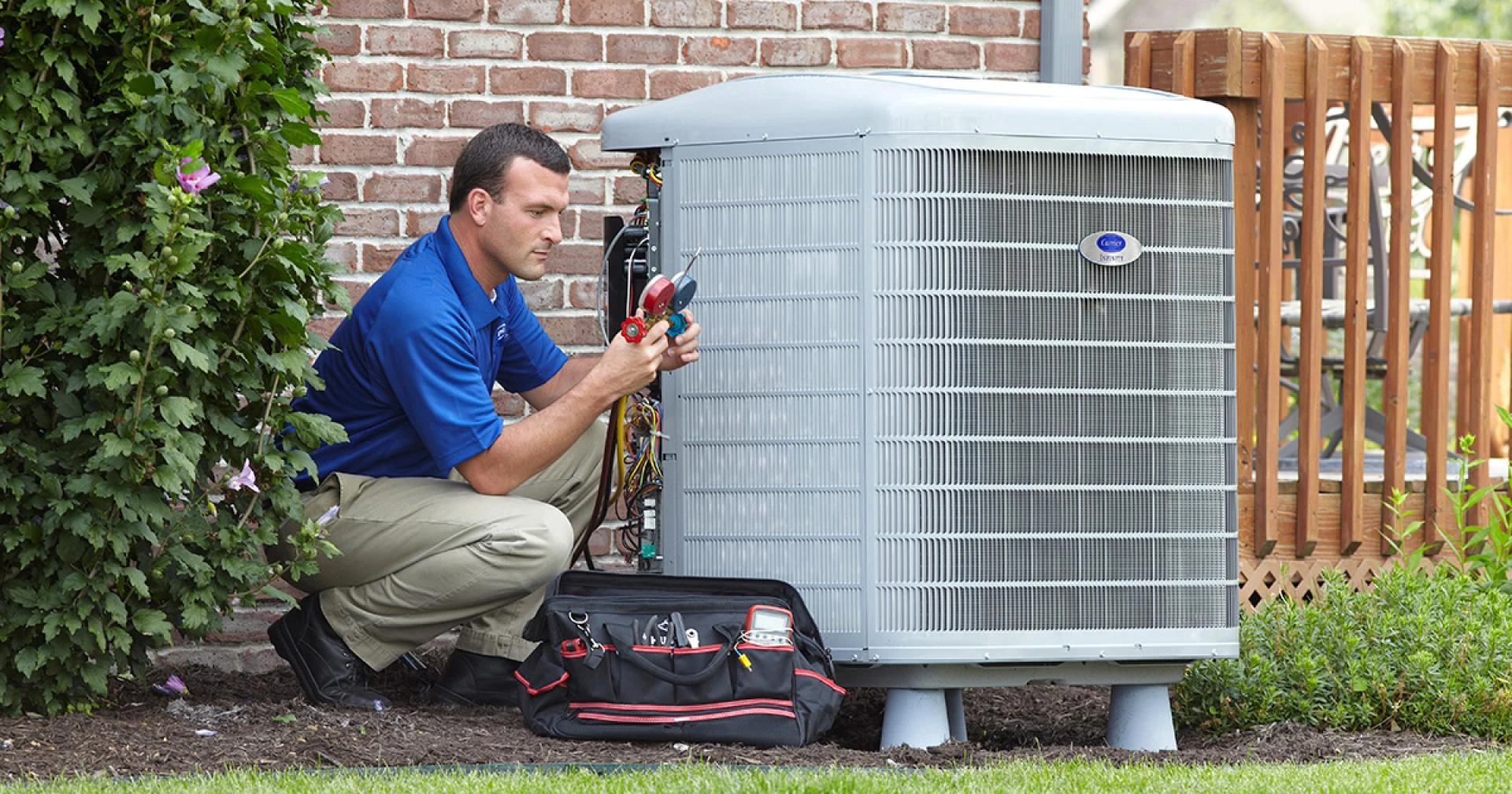
Choosing the right HVAC system installation involves multiple factors, but one of the most critical is the SEER rating. If you’ve ever shopped for an air conditioner or heat pump, you’ve likely seen SEER ratings mentioned. But what do they really mean, and how do they impact your home’s comfort, energy efficiency, and long-term savings? Understanding SEER ratings is essential when selecting a system that aligns with your budget and cooling needs.
What Is a SEER Rating?
SEER stands for Seasonal Energy Efficiency Ratio. It measures the cooling efficiency of an air conditioning unit or heat pump over a typical cooling season. The rating is calculated by dividing the total cooling output (measured in BTUs) by the total electrical energy consumed (in watt-hours).
A higher SEER rating indicates greater efficiency, meaning the unit provides more cooling per unit of energy consumed. In the U.S., SEER ratings generally range from 13 to 26, with modern regulations requiring a minimum SEER rating of 14 in most regions.
Why SEER Ratings Matter in HVAC System Installation
The SEER rating of your HVAC system affects multiple aspects of your home environment, from energy savings to installation complexity. Here’s how:
1. Energy Efficiency and Cost Savings
A high SEER rating means your air conditioner or heat pump operates efficiently, leading to lower electricity bills. While units with higher SEER ratings cost more upfront, they often pay for themselves through reduced energy expenses over time.
Example: Suppose you upgrade from a SEER 14 system to a SEER 20 system. If your cooling costs average $1,500 per year, the higher SEER unit could reduce your bills by 20-30%, saving you up to $450 annually.
2. Impact on Comfort Levels
HVAC systems with higher SEER ratings often feature advanced technology, such as variable-speed compressors and two-stage cooling. These systems provide:
- More consistent indoor temperatures
- Better humidity control
- Quieter operation
Lower SEER units, on the other hand, may run at full blast or shut off completely, leading to temperature fluctuations and increased humidity.
3. HVAC System Installation Costs
While higher SEER-rated units save money on energy bills, they come with a higher upfront installation cost. A SEER 14 unit might cost between $3,500 and $5,000, while a SEER 20+ unit could be $6,000 to $10,000 or more.
Factors affecting installation costs include:
- The complexity of your home's ductwork
- Additional features like smart thermostats or zoning systems
- Local labor rates
4. Lifespan and Maintenance Needs
Higher SEER-rated systems typically last longer and require fewer repairs. Their advanced technology reduces wear and tear on components, meaning you’ll likely experience fewer breakdowns over time. However, they may require specialized maintenance, which could be slightly more expensive than traditional units.
5. Environmental Impact
A high-efficiency HVAC system reduces your carbon footprint by using less energy. Many high-SEER units also use eco-friendly refrigerants that minimize greenhouse gas emissions. If sustainability is important to you, choosing a system with a higher SEER rating can make a significant difference.
Choosing the Right SEER Rating for Your Home
Selecting the ideal SEER rating depends on several factors, including climate, budget, and usage patterns. Here’s what to consider:
1. Climate Zone
- Hot and Humid Climates (Southern U.S.): A SEER 18-22 unit is recommended due to high cooling demands.
- Moderate Climates (Midwest/Northeast): SEER 14-18 units often provide a good balance of cost and efficiency.
- Cooler Climates (Northern U.S.): If cooling needs are minimal, a SEER 14-16 unit may be sufficient.
2. Budget Considerations
If you're on a tight budget, a SEER 14-16 system provides decent efficiency without a high upfront cost. However, if you can afford a higher initial investment, opting for SEER 18+ will maximize long-term savings.
3. Home Size and Insulation
Larger homes or poorly insulated homes benefit from higher SEER units, as they prevent temperature fluctuations and improve comfort. Conversely, a well-insulated, smaller home may not require an ultra-high SEER rating.
4. Local Utility Incentives
Many states and utility companies offer rebates for installing energy-efficient HVAC systems. A higher SEER-rated system could qualify for rebates that offset the initial cost.
Common Myths About SEER Ratings
Myth 1: Higher SEER Always Means Better Performance
While a higher SEER rating improves efficiency, it doesn’t automatically mean better performance if the system isn’t installed properly. Proper HVAC system installation is crucial to ensure your unit functions at peak efficiency.
Myth 2: SEER Ratings Are the Only Factor in Efficiency
Other factors like ductwork quality, insulation, and system size play a huge role in overall efficiency. A properly sized SEER 16 unit may perform better than an oversized SEER 20 unit that short-cycles frequently.
Myth 3: The Highest SEER Rating Is Always Worth It
While a SEER 26 unit is highly efficient, it may not be necessary for every home. The extra cost may not justify the energy savings unless you live in an area with extreme cooling needs.
FAQs
1. What is the minimum SEER rating required?
As of 2023, the U.S. Department of Energy mandates a minimum SEER rating of 14 for most regions. However, some states may have higher requirements.
2. How much can I save with a higher SEER rating?
Upgrading from SEER 14 to SEER 20 can save 20-30% on cooling costs annually, depending on usage and climate.
3. Does a higher SEER rating mean the unit is quieter?
Yes, high-SEER units often feature variable-speed compressors and advanced sound-dampening technology, making them quieter than lower-rated units.
4. Should I replace my old AC with a high-SEER unit?
If your system is over 10-15 years old, upgrading to a high-SEER unit can significantly reduce energy bills and improve comfort.
5. How does SEER affect HVAC system installation costs?
Higher SEER units cost more due to advanced technology and higher installation complexity. However, rebates and long-term energy savings often balance out the initial expense.
Conclusion: Is a High SEER HVAC System Right for You?
Choosing the right SEER rating for your HVAC system installation depends on your climate, budget, and energy efficiency goals. While higher SEER ratings offer better efficiency and comfort, they come with higher upfront costs. If you live in a hot climate or use air conditioning frequently, investing in a SEER 18+ unit can provide significant long-term savings.
For homeowners looking to balance cost and efficiency, SEER 14-16 units offer a great starting point. Regardless of the SEER rating you choose, professional installation is key to maximizing efficiency and performance.
Need Help Selecting the Right HVAC System?
If you’re considering a new HVAC system installation, consult a professional to ensure you get the best SEER rating for your needs. Contact an expert today to explore energy-efficient options and start saving on your cooling costs!