In any workplace or public environment, safety is not a matter of chance—it's a matter of planning. One of the most essential tools in maintaining health and safety is risk assessment. Whether you're assessing potential hazards from fire, water systems, or general operational processes, knowing how to evaluate and manage risks can prevent accidents and save lives.
What Is a Risk Assessment?
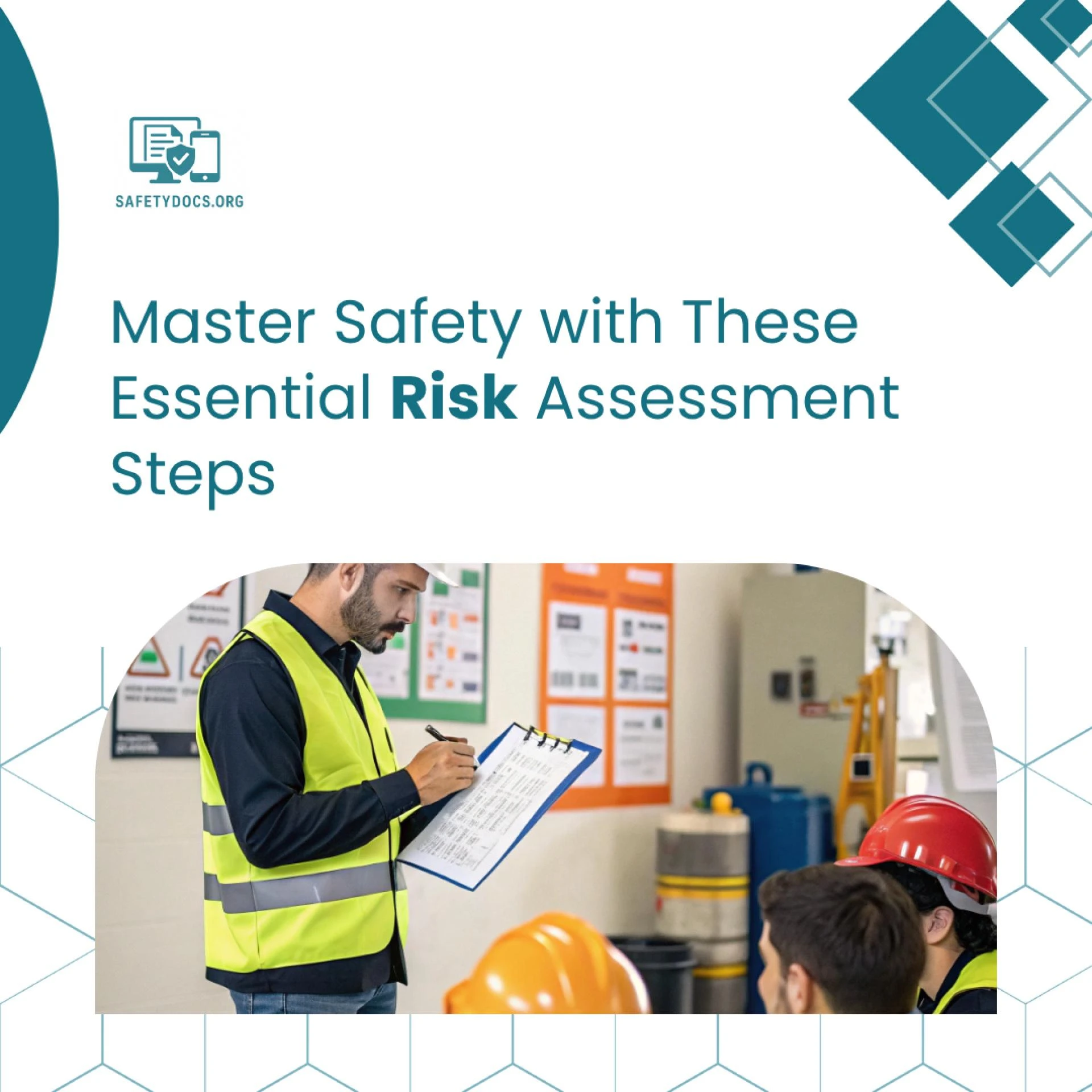
A risk assessment is a systematic process of identifying potential hazards, evaluating the risks associated with them, and implementing control measures to eliminate or reduce those risks. It applies across a wide range of industries, from construction and healthcare to offices and public facilities.
The main goal is to ensure that workplaces remain safe and compliant with health and safety regulations.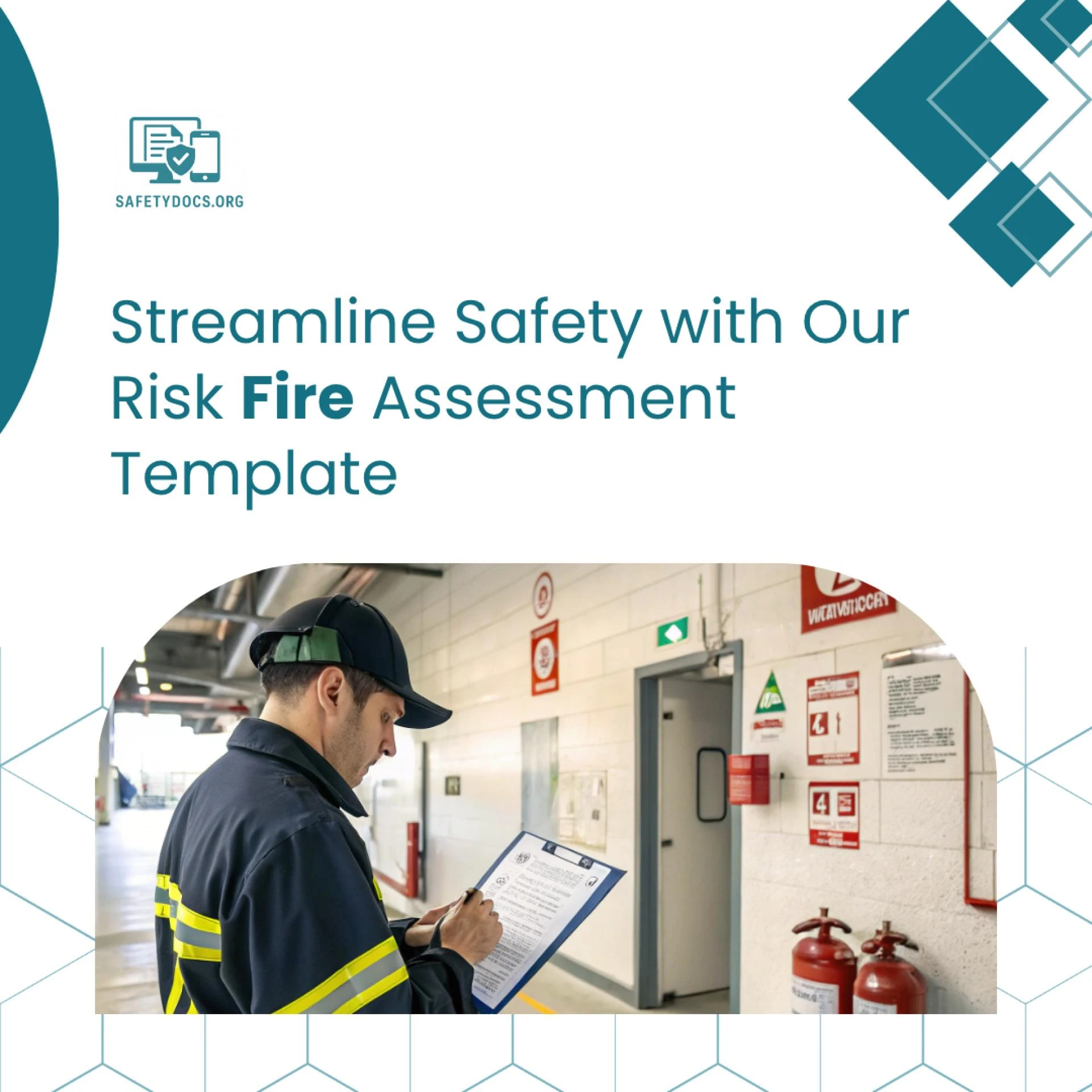
5 Steps to Risk Assessment
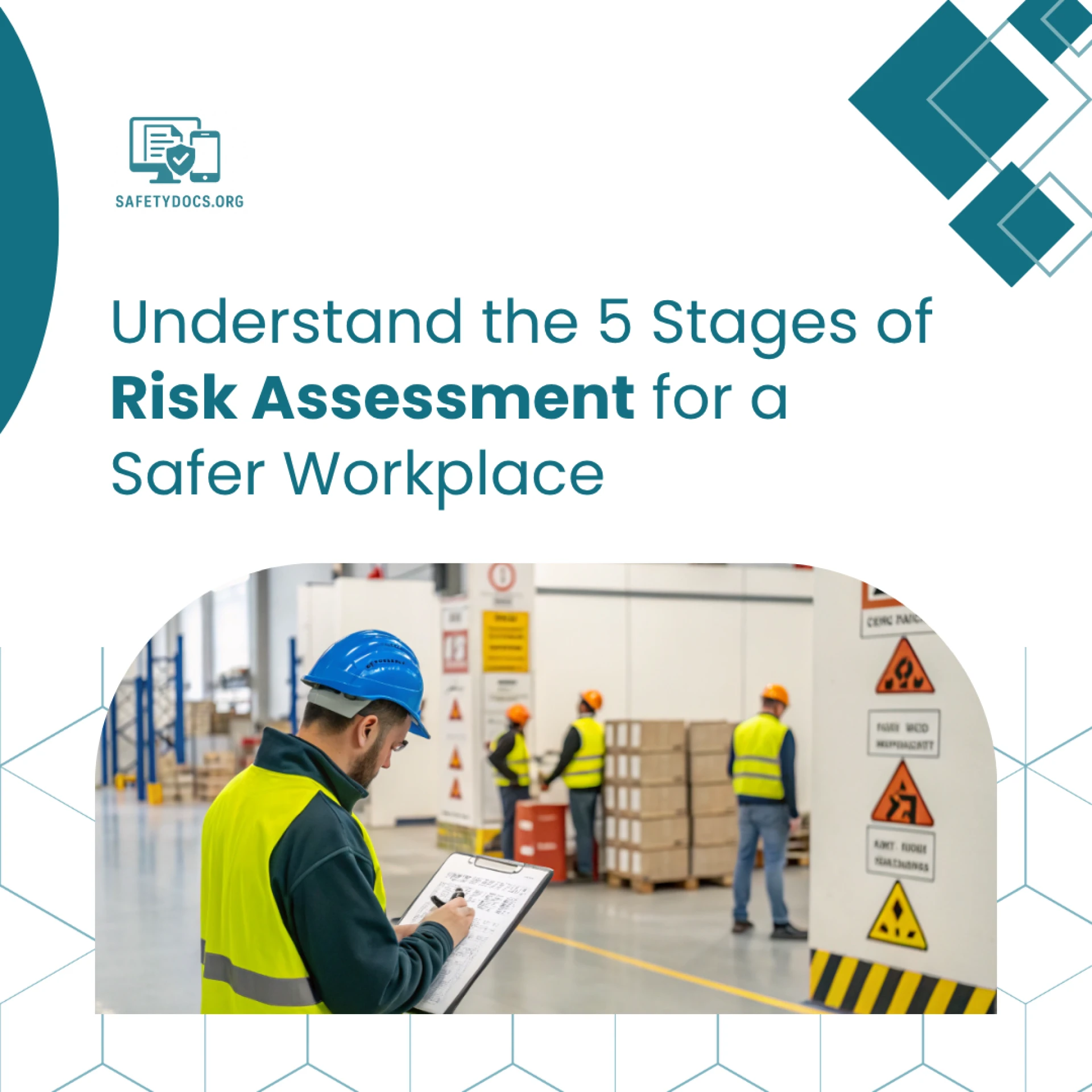
The Health and Safety Executive (HSE) outlines 5 steps to risk assessment that form the foundation of any effective safety plan:
- Identify the Hazards – Spot anything that could cause harm, from machinery to hazardous substances or unsafe practices.
- Decide Who Might Be Harmed and How – Consider employees, visitors, contractors, or vulnerable individuals.
- Evaluate the Risks and Decide on Precautions – Determine the level of risk and introduce controls to minimize it.
- Record Your Findings and Implement Them – Document the results and ensure safety measures are put into practice.
- Review and Update the Assessment Regularly – Reassess risks after changes in operations, equipment, or after an incident.
Following these steps helps create a safer work environment while demonstrating a commitment to compliance and care.
Fire Risk Assessment: Preventing the Unthinkable
A specific type of risk assessment, the fire risk assessment, focuses on identifying fire hazards and evaluating the effectiveness of existing fire safety measures.
This process includes:
- Inspecting fire exits and alarms
- Evaluating fire suppression systems
- Ensuring flammable materials are stored safely
- Training staff in fire response procedures
Fire risk assessments are not just best practice—they’re a legal requirement in many countries, especially for businesses and rental properties.
Legionella Risk Assessment: Tackling Invisible Threats
Another specialized area is the legionella risk assessment, which addresses the presence and potential growth of Legionella bacteria in water systems.
This bacterium can cause Legionnaires’ disease, a serious form of pneumonia. The assessment includes:
- Inspecting water tanks and pipes
- Checking water temperature control
- Identifying dead legs or unused pipework
- Implementing regular monitoring and disinfection routines
Regular legionella assessments are critical for places like hotels, hospitals, and gyms—essentially any building where water systems are used and shared.
Dynamic Risk Assessment: Safety in Real Time
While traditional assessments are done in advance, a dynamic risk assessment is performed in real-time, often by individuals facing unexpected or rapidly changing situations—such as firefighters, healthcare workers, or security personnel.
These assessments involve:
- Quickly evaluating the current environment
- Making informed decisions under pressure
- Adapting control measures on the spot
Dynamic risk assessments are vital in roles where flexibility and quick thinking are essential to safety.
Final Thoughts
Risk assessments are more than paperwork—they are the backbone of proactive health and safety. Whether you're doing a fire risk assessment, a legionella risk assessment, or adapting through a dynamic risk assessment, understanding and applying the 5 steps to risk assessment can save lives and ensure compliance.
Investing time in risk assessment today is a small price to pay for the safety, well-being, and peace of mind it delivers tomorrow.
For More Details Visit : Facebook, Blogs , Medium ,Pinterest