Educational institutions carry a responsibility that goes beyond academics. Schools and colleges are expected to provide a safe, respectful, and secure environment for every student. In India, this responsibility is legally defined under the Protection of Children from Sexual Offences Act, commonly known as POCSO. Understanding compliance under this law is essential for institutions that work with minors, and POCSO online training plays a key role in ensuring awareness and accountability.
Why POCSO Compliance Matters in Educational Institutions?
POCSO was introduced to protect children from sexual abuse, exploitation, and harassment. For schools and colleges, compliance is not optional. It is a legal and ethical obligation. Institutions that fail to follow POCSO guidelines risk legal consequences and damage to their credibility. More importantly, compliance helps create a culture where students feel safe, supported, and confident enough to report concerns without fear.
Key Responsibilities of Schools and Colleges Under POCSO
Educational institutions must take proactive steps to prevent, identify, and respond to incidents involving minors. These responsibilities are not limited to management alone. Teachers, staff members, and administrators all play a role. Core responsibilities include:
- Ensuring awareness of POCSO provisions among staff
- Creating clear reporting and response mechanisms
- Maintaining confidentiality during complaint handling
- Cooperating with legal authorities when required
- Prioritizing the safety and well-being of students
Read also: How Often Should POCSO Training Be Conducted in Schools?
Role of POCSO Training in Compliance
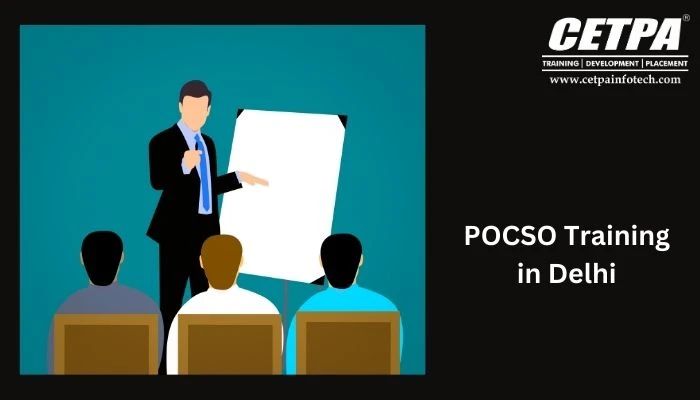
Many violations occur not because of intent, but due to a lack of awareness. POCSO training helps staff understand their duties, boundaries, and legal obligations when working with children. Effective POCSO certification training covers:
- Understanding what constitutes an offence under POCSO
- Recognizing signs of abuse or inappropriate behavior
- Knowing how and when to report incidents
- Handling disclosures with sensitivity and care
Importance of POCSO Certification for Institutions
Obtaining POCSO certification demonstrates that an institution has taken formal steps to educate its staff and align with legal requirements. Certification also helps schools and colleges build trust with parents and guardians.
Through POCSO certification training, institutions ensure that employees are not only aware of the law but also capable of applying it correctly in real situations. This training supports safer interactions and clearer decision-making across the campus.
Building a Safe and Compliant Learning Environment
Compliance with POCSO is not a one-time activity. It requires continuous effort, regular training, and policy updates. Schools and colleges should review their internal guidelines, reporting structures, and staff awareness levels on a regular basis.
When institutions treat POCSO compliance as part of their core values, they move closer to building a safe learning environment where children are protected and respected. With a growing number of educational institutions, POCSO training in Noida has become increasingly relevant. These programs are designed to address practical challenges faced by schools and colleges in urban and semi-urban settings.
Conclusion
Understanding POCSO compliance is essential for every school and college working with minors. Through proper awareness and structured POCSO training, institutions can fulfill their legal responsibilities while ensuring student safety. The programs help educational institutions create safer, more accountable environments.