
Many people feel confused when they hear about perfume notes.
You may see a list of ingredients and wonder what it actually means. Why does a fragrance smell different after an hour? Why does it feel stronger at first and softer later?
The answer lies in how perfume is structured.
Once you understand the role of notes, everything becomes clearer and easier to recognize.
What Are Perfume Notes
Perfume notes are the layers that make up a fragrance.
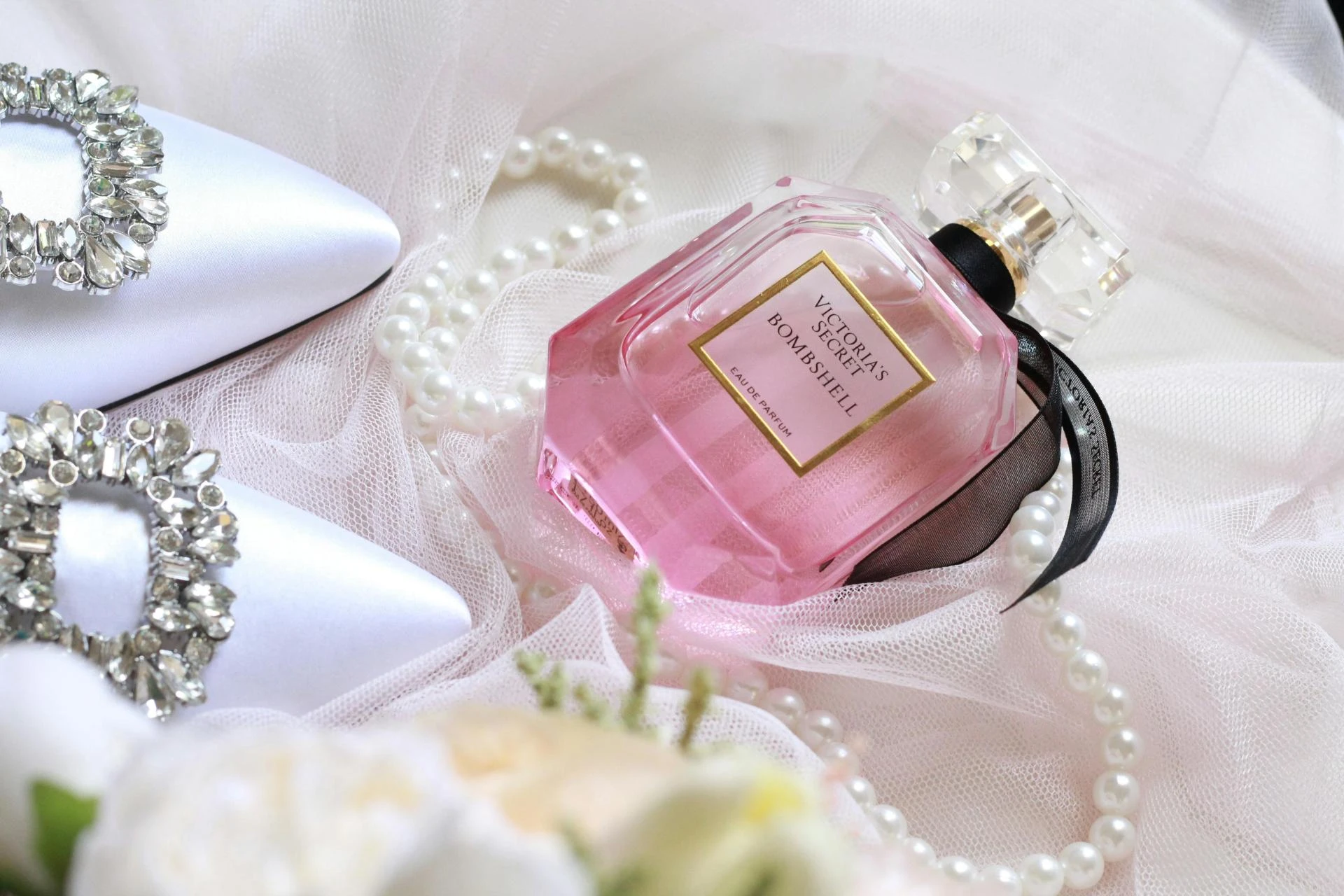
Each note appears at a different stage and contributes to how the scent develops over time. Instead of being a single smell, a perfume is a combination of these layers working together.
Learning about perfume notes helps you understand why a fragrance changes rather than staying constant.
It also explains why your first impression is only part of the experience.
The Three Layers of a Fragrance
Every perfume is built around three main layers.
Top Notes
These are the first scents you notice right after applying the fragrance. They are usually light and fresh, such as citrus or soft herbs. They fade quickly but create the initial impression.
Middle Notes
Also known as the heart, these notes appear once the top layer fades. They form the main body of the fragrance and often include floral or slightly spicy elements.
Base Notes
These are the foundation of the perfume. They develop slowly and last the longest. Notes like woods, musk, and resins give depth and staying power.
Together, these layers create a complete scent that evolves over time.
How Perfume Evolves on Skin
A perfume does not develop the same way on everyone.
Your skin chemistry affects how quickly notes appear and how long they last. Factors like temperature, hydration, and natural oils all play a role.
At first, you experience the top notes.
After some time, the middle notes take over.
Finally, the base notes settle and remain.
This progression is what makes wearing perfume a dynamic experience rather than a fixed one.
Role of Natural Ingredients in Notes
Natural ingredients play a key role in how notes behave.
Many fragrances rely on Essential Oils to create depth and complexity. These oils carry multiple layers within a single ingredient, which allows the scent to evolve smoothly.
For example, a floral oil may feel soft at first but reveal a slightly green or warm aspect later.
This natural complexity makes the fragrance feel more connected and balanced.
Fragrance Oil vs Essential Oil in Composition
Understanding the difference between oils helps explain how perfumes are created.
The comparison between fragrance oil vs essential oil shows how each type contributes differently.
Essential oils come from natural sources and add depth and realism.
Fragrance oils are often designed to enhance consistency and longevity.
Most perfumes use a combination of both to create a balanced result that feels smooth and performs well.
Why Some Notes Last Longer Than Others
Not all notes have the same staying power.
Lighter notes evaporate quickly, which is why top notes fade first. Heavier notes remain longer because they evaporate more slowly.
For example, ingredients like sandalwood essential oil are known for their lasting presence. They anchor the fragrance and keep it noticeable even after several hours.
This difference in weight is what creates the layered structure of a perfume.
How to Use Notes to Choose the Right Perfume
Understanding notes makes choosing a perfume much easier.
If you prefer fresh scents, look for fragrances with citrus or light top notes. If you enjoy warmth, focus on base notes like woods or amber.
It is also helpful to consider the occasion.
Lighter compositions work well for daytime, while deeper notes suit evenings or cooler weather.
Testing on your skin is important. A perfume may smell different than expected, and the notes will reveal themselves over time.
Pay attention to how it develops rather than judging it immediately.
Why First Impressions Can Be Misleading
One of the most common mistakes is judging a perfume too quickly.
The first few seconds only reveal the top notes, which are designed to catch your attention. They are bright, fresh, and noticeable, but they do not represent the full fragrance.
As the scent settles, the heart and base notes begin to appear. These layers define the true character of the perfume.
Waiting allows you to experience the complete structure instead of relying on the opening alone.
How Notes Blend Instead of Switching
Perfume notes do not change suddenly.
They overlap.
As the top notes fade, the middle notes begin to appear while the base slowly builds underneath. This creates a smooth transition rather than a sharp shift.
A well blended fragrance feels continuous.
You may not notice exactly when one stage ends and another begins. Instead, the scent feels like it is evolving naturally.
Why Balance Matters More Than Complexity
A perfume does not need many notes to feel complete.
What matters is how well they work together.
If one note is too strong, it can overpower the others. If the balance is right, each layer supports the next.
This balance creates a fragrance that feels stable and comfortable to wear.
It also makes the scent easier to understand.
The Connection Between Notes and Mood
Different notes create different feelings.
Fresh notes often feel light and energizing. Floral notes can feel soft and calm. Woody and deeper notes bring warmth and stability.
This is why the same perfume can feel different depending on when you wear it.
Understanding this connection helps you choose fragrances that match your mood or environment.
How Environment Affects the Way Notes Appear
External conditions influence how a perfume develops.
In warmer temperatures, notes may feel stronger and appear faster. In cooler conditions, the scent may develop more slowly and feel softer.
Humidity and air circulation also affect how the fragrance spreads.
This means the same perfume can feel slightly different depending on where you are.
Recognizing Patterns in What You Like
As you explore more fragrances, patterns begin to appear.
You may notice that you prefer certain types of notes or combinations.
Perhaps you enjoy fresh openings but prefer warm bases. Or you might lean toward softer, more balanced compositions.
Recognizing these patterns helps you make better choices without relying on guesswork.
Why Time Improves Your Understanding
Understanding perfume notes does not happen instantly.
It develops over time.
The more you wear different fragrances, the more you notice how they behave. You begin to recognize how notes appear, how they blend, and how they last.
This experience builds confidence.
You move from simply liking a scent to understanding why you like it.
Letting the Experience Guide You
You do not need to memorize every note.
What matters is how the fragrance feels as it develops.
Does it stay balanced
Does it evolve smoothly
Does it feel comfortable over time
These observations are more useful than focusing on individual ingredients.
And as you continue exploring, understanding perfume notes becomes less about learning and more about recognizing what feels right.
How Notes Create a Sense of Identity
Every fragrance has a distinct identity, and notes are what define it.
The combination of top, middle, and base notes determines whether a perfume feels fresh, warm, soft, or deep. Even small changes in this combination can create a completely different impression.
This is why two perfumes with similar ingredients can still feel unique.
It is not just what notes are used, but how they are arranged.
Why Some Notes Feel More Noticeable
Not all notes stand out in the same way.
Lighter notes are easier to notice at first because they appear quickly. Heavier notes take time but stay longer.
This difference can affect how you perceive a fragrance.
You might focus on the opening because it is immediate, but the deeper notes often define the lasting impression.
Learning to notice both helps you understand the full experience.
The Role of Contrast in Fragrance Design
Contrast is an important part of how perfumes are built.
Fresh notes are often paired with deeper ones. Soft elements are balanced with slightly sharper accents.
This contrast keeps the scent interesting.
Without it, a fragrance may feel flat or one dimensional.
With it, the perfume feels dynamic and more engaging over time.
How Notes Influence Longevity and Projection
Notes do not only affect how a perfume smells.
They also influence how it performs.
Base notes tend to stay close to the skin and last longer. Top notes project more at the beginning but fade quickly.
A fragrance with a strong base will feel more lasting, while one focused on lighter notes may feel shorter lived.
Understanding this helps you set realistic expectations.
Why Familiar Notes Feel More Comfortable
Certain notes feel familiar because they are connected to everyday experiences.
Floral scents, citrus fruits, and woody elements are easy to recognize. This familiarity makes the fragrance feel more comfortable.
Even in a complex perfume, these recognizable elements create a sense of balance.
They make the scent easier to connect with.
Building a More Intentional Approach
As you understand notes better, your approach to perfume becomes more intentional.
You no longer rely only on descriptions or first impressions.
You consider how the fragrance will develop, how it will settle, and how it will fit into your routine.
This leads to better choices and fewer disappointments.
When Understanding Turns Into Habit
Over time, recognizing notes becomes automatic.
You do not need to think about each layer.
You simply notice how the fragrance behaves.
You understand when it feels balanced, when it feels too sharp, or when it fades too quickly.
This habit makes the entire experience more natural.
Letting Notes Guide Without Overthinking
You do not need to analyze every detail to appreciate perfume notes.
What matters is recognizing how they shape the experience.
If a fragrance feels smooth, balanced, and consistent, the notes are working well together.
And once you reach that point, choosing a perfume becomes less about guessing and more about understanding what truly suits you.
Final Ending
Perfume notes are not just technical details.
They are what shape the entire journey of a fragrance, from the first spray to the final trace that stays on your skin.
When you understand how these layers work, everything becomes clearer. You know why a scent changes, why it lasts, and why it feels different over time.
This understanding changes how you choose perfumes.
You stop relying only on first impressions. You start paying attention to how a fragrance develops, how it settles, and how it fits into your routine.
And once you begin to notice these patterns, selecting the right perfume no longer feels confusing
It becomes something you do with clarity and confidence