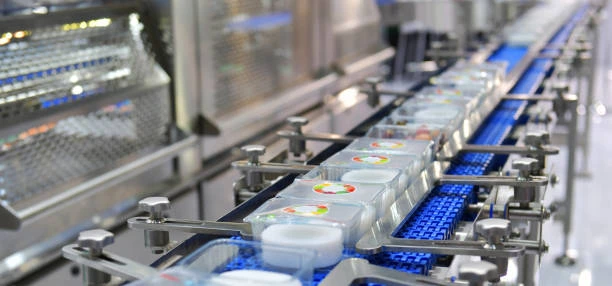
Food safety is a top priority for manufacturers, regulatory bodies, and consumers. One of the most significant hazards in food production is metal contamination, which poses serious health risks and can damage a company's reputation. To mitigate these risks, food processors employ advanced detection technologies, with metal detectors playing a crucial role in identifying and eliminating metal contaminants before products reach consumers.
Causes of Metal Contamination in Food Production
Metal contamination can occur at various stages of food processing. Common sources include:
1. Processing Equipment Wear and Tear
Food processing involves machinery such as grinders, mixers, conveyors, and slicers, which can deteriorate over time. Small metal fragments from these machines can break off and enter the food supply.
2. Raw Material Contamination
Raw ingredients may already contain metal particles from farming equipment, harvesting tools, or storage facilities. Contaminated raw materials can introduce metal fragments into the production line.
3. Human Error and Poor Handling Practices
Workers handling equipment or ingredients may inadvertently introduce metallic objects like jewelry, screws, or tools into the production process.
4. Packaging and Storage Issues
Metal contaminants can also originate from packaging materials, metal clips, or fasteners used in sealing food products. Storage conditions can further contribute to metal contamination if metal racks or containers are damaged.
5. Cross-Contamination from Maintenance Activities
Routine maintenance, welding, or repairs in food processing plants can result in loose metal fragments being left behind, leading to contamination risks.
Risks Associated with Metal Contamination in Food
Metal contamination in food can lead to significant consequences, including:
1. Health Risks to Consumers
Even small metal fragments can cause severe injuries, such as cuts, lacerations, or internal damage if ingested. Sharp metal pieces may also pose choking hazards, especially in products consumed by children or elderly individuals.
2. Legal and Regulatory Consequences
Food safety authorities, such as the FDA (U.S.), FSANZ (Australia), and EFSA (Europe), enforce strict regulations on food contamination. Failure to comply with these standards can lead to fines, legal actions, or even factory shutdowns.
3. Product Recalls and Financial Losses
A single contamination incident can result in mass recalls, causing financial losses and damage to brand reputation. Recalls lead to lost revenue, waste disposal costs, and reduced consumer trust in the brand.
4. Damage to Brand Reputation
In today's digital age, a contamination incident can quickly go viral, affecting public perception and consumer confidence. Negative publicity due to unsafe products can be difficult to recover from, making proactive prevention essential.
The Role of Metal Detectors in Food Safety
Food Metal detectors play a crucial role in preventing metal contamination in food processing plants. These devices are designed to detect and remove metal contaminants before they reach the consumer. Here’s how they contribute to food safety:
1. Types of Metal Detectors Used in the Food Industry
a) Balanced Coil Metal Detectors
These metal detectors use electromagnetic fields to detect ferrous (iron-based), non-ferrous (copper, brass, aluminum), and stainless-steel contaminants in food products.
b) Ferrous-in-Foil Detectors
These detectors are specialized for products packaged in aluminum foil, such as chocolate bars or ready-to-eat meals. They work by differentiating between the foil and potential ferrous contaminants.
c) X-ray Inspection Systems
While not traditional metal detectors, X-ray systems are used for detecting contaminants that metal detectors might miss, including non-metallic hazards such as glass, stone, and dense plastics.
2. Placement of Metal Detectors in Food Production Lines
Metal detectors are strategically placed at various stages of food production, including:
- Raw Material Inspection: Ensures incoming ingredients are free from metal contaminants before processing begins.
- During Processing: Detects metal fragments during mixing, grinding, or slicing stages.
- Final Product Inspection: Ensures the finished product is contaminant-free before packaging and distribution.
3. Benefits of Using Metal Detectors in Food Processing
a) Improved Consumer Safety
Metal detectors help eliminate metal fragments that could pose health risks to consumers, ensuring food safety and preventing injuries.
b) Compliance with Food Safety Standards
By using metal detection systems, food manufacturers can comply with international food safety standards, including HACCP (Hazard Analysis and Critical Control Points), BRC (British Retail Consortium), and ISO 22000.
c) Reduction of Product Recalls
Early detection of metal contaminants helps prevent large-scale recalls, saving businesses from financial losses and reputational damage.
d) Enhanced Brand Trust and Reputation
Brands that prioritize food safety gain consumer trust, leading to increased loyalty and a positive market image.
Best Practices for Implementing Metal Detection in Food Processing
To maximize the efficiency of metal detection systems, food manufacturers should follow these best practices:
1. Regular Equipment Calibration and Maintenance
Metal detectors must be regularly calibrated to maintain accuracy. Routine maintenance helps prevent false alarms and ensures optimal performance.
2. Employee Training on Metal Contamination Risks
Proper training ensures that workers understand the importance of food safety, follow hygiene protocols, and recognize contamination risks.
3. Integration with Other Quality Control Measures
Metal detection should be part of a broader food safety plan, including X-ray inspections, visual inspections, and automated sorting systems.
4. Documentation and Record Keeping
Maintaining detailed records of metal detection incidents, calibrations, and corrective actions ensures compliance with food safety regulations and facilitates audits.
5. Periodic Testing with Test Pieces
Using test pieces of known metal types and sizes helps verify the effectiveness of metal detectors. This practice ensures that detection sensitivity meets industry standards.
Conclusion
Metal contamination is a serious concern in the food industry, with potential consequences ranging from consumer health risks to financial losses and reputational damage. Metal detectors serve as a vital line of defense, helping food manufacturers detect and eliminate metal contaminants before products reach the market.
By implementing effective metal detection strategies, regularly calibrating equipment, and integrating advanced safety technologies, food manufacturers can ensure product integrity, meet regulatory requirements, and build consumer trust.