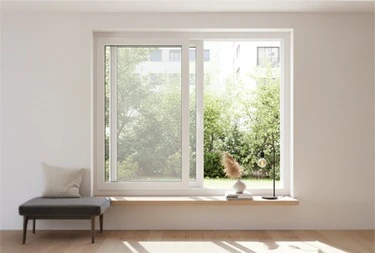
In building design and product selection, material life is a critical factor that directly influences cost efficiency, performance reliability, and long-term satisfaction. Architects, developers, and homeowners increasingly evaluate how long a product will perform consistently under real-world conditions rather than focusing only on initial appearance. Within this decision framework, UPVC sliding doors are recognised for their extended material life and stable performance, making them a dependable choice for modern residential and commercial applications.
What Material Life Means in Architectural Components
Material life refers to the duration a product maintains its structural integrity, functionality, and appearance without requiring significant repair or replacement. For doors and windows, this includes resistance to weather, operational wear, environmental exposure, and everyday usage. A longer material life reduces lifecycle costs and ensures predictable performance, which is especially important in high-traffic or long-term property investments.
Inherent Durability of UPVC as a Material
UPVC is engineered to remain stable over extended periods. Unlike wood, it does not absorb moisture or suffer from termite damage, and unlike metal, it does not corrode or oxidise. This inherent resistance to environmental factors significantly extends the usable life of UPVC sliding doors. Even in regions with high humidity, dust, or temperature variation, the material retains its form, strength, and finish without degradation.
Resistance to Environmental and Climatic Stress
One of the main contributors to reduced material life in building components is continuous exposure to environmental stress. UPVC performs consistently under sunlight, rain, and fluctuating temperatures. It does not warp, crack, or fade easily, ensuring that door frames and panels remain aligned and functional over time. This resilience directly supports longer operational life and reduces the frequency of replacements or corrective work.
Mechanical Stability and Smooth Operation Over Time
Material life is not limited to surface durability alone; it also includes how well a system continues to function mechanically. UPVC sliding doors maintain smooth track movement and proper sealing due to the material’s dimensional stability. Frames do not distort under pressure, which protects rollers, tracks, and locking systems from premature wear. As a result, operational efficiency is preserved even after years of regular use.
Minimal Degradation and Low Maintenance Impact
A key indicator of long material life is how little intervention is required to maintain performance. UPVC sliding doors require only routine cleaning, with no need for repainting, polishing, or chemical treatments. Because the material does not degrade easily, maintenance efforts remain minimal throughout its lifespan. This not only extends usability but also reduces cumulative maintenance costs over decades.
Manufacturing Quality and Its Role in Material Life
While UPVC as a material offers longevity, manufacturing standards significantly influence actual service life. Companies such as Eumax Pvt Ltd focus on precision fabrication, correct reinforcement, and quality hardware integration. These factors ensure that the material’s natural durability is fully utilised, allowing sliding door systems to perform reliably throughout their intended lifespan.
Long-Term Benefits of Extended Material Life
- Reduces replacement and refurbishment frequency
- Ensures consistent performance over decades
- Lowers long-term ownership and maintenance costs
- Maintains aesthetic and functional value of properties
- Supports sustainable construction by reducing material waste
Conclusion
Material life is a decisive factor in evaluating the true value of architectural components. UPVC sliding doors demonstrate strong long-term performance due to their resistance to environmental stress, mechanical stability, and minimal degradation over time. When supported by high manufacturing standards and proper installation, they deliver a reliable service life that aligns with modern expectations for durability and sustainability. As a result, they represent a practical, future-ready solution for projects that prioritise longevity alongside design and functionality.