
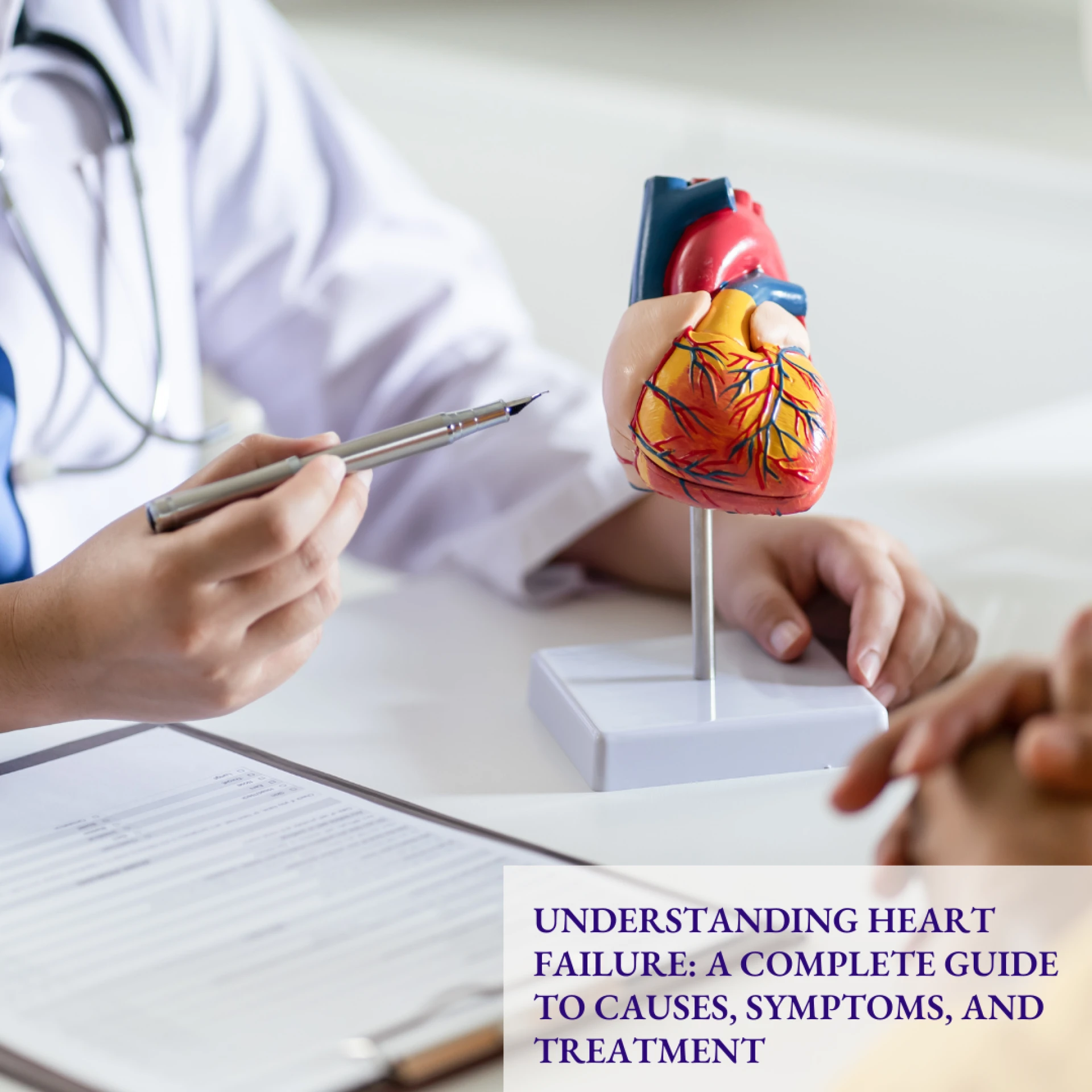
Heart failure is a health condition where the heart cannot pump blood well enough to meet the body’s needs. It does not mean the heart has stopped. It means the heart is weak or stiff. This weakness leads to tiredness, short breath, and swelling in the legs or belly. Many people call it a “silent disease” because its signs grow slowly. This article will help you understand what heart failure is, how it happens, and how it can be treated. A cardiology specialist in Delhi can help diagnose and manage this complex condition.
What Is Heart Failure?
Heart failure is a chronic health condition. It affects how the heart works. The heart pumps blood through the body. When it becomes too weak or stiff, it cannot move blood the way it should. This is what doctors call heart failure disease.
There are two main types:
● Left-sided heart failure – This is the most common type. It happens when the left part of the heart cannot push blood well.
● Right-sided heart failure – This occurs when the right side struggles to pump blood to the lungs.
Both types lead to poor blood flow and fluid buildup in the body.
Heart Failure Symptoms to Watch
Heart failure symptoms are not the same for everyone. But some signs are very common. These include:
● Shortness of breath, especially when lying down
● Feeling tired even after light work
● Swollen legs, feet, or belly
● Fast or irregular heartbeat
● A dry cough that won’t go away
● Sudden weight gain due to fluid
● Trouble thinking or focusing
These symptoms may come and go at first. Over time, they become stronger. That is why early care is very important.
What Happens Inside the Heart?
The heart failure pathophysiology helps explain what goes wrong. In a healthy heart, the muscle contracts and relaxes in rhythm. This pushes blood to the lungs and the rest of the body. But when the muscle is weak or thickened, it cannot do this job well.
Doctors use a term called heart failure preserved ejection fraction or HFpEF. In this type, the heart pumps out a normal percentage of blood, but it does not fill well. In another form, called reduced ejection fraction, the heart does not pump out enough blood.
When the heart cannot cope, heart failure cells start to change. They stretch and get stiff. The body keeps fluids to make up for poor blood flow. That’s how swelling and shortness of breath begin.
What Causes Heart Failure?
There are many causes behind heart failure. Some can be managed early to stop the disease from getting worse. These causes include:
● High blood pressure – makes the heart work harder
● Coronary artery disease – narrows the arteries
● Heart attack – weakens heart muscle suddenly
● Diabetes – damages blood vessels
● Heart valve disease – affects blood flow
● Obesity – strains the heart
● Alcohol or tobacco use – weakens heart muscle
● Infections or inflammation – can also harm the heart
A cardiology specialist in Delhi will run tests to find the exact cause and plan treatment.
Chronic vs Acute Heart Failure
Doctors often talk about chronic vs acute heart failure. These two forms have different signs and urgency.
● Chronic heart failure builds slowly over time. It lasts long and needs daily treatment.
● Acute heart failure happens suddenly. It may need emergency care. It could be caused by a heart attack or fluid overload.
Knowing which type you have helps decide the best care.
Diagnosis of Heart Failure
Doctors at a heart hospital in Delhi use many tools to check for heart failure. These include:
● Echocardiogram – shows the size and strength of the heart
● Electrocardiogram (ECG) – records the heart’s rhythm
● Blood tests – check for signs of strain
● Chest X-ray – checks for fluid in the lungs
● Stress tests – measure how the heart handles work
These tests help doctors confirm the type and severity of the disease.
Heart Failure Treatment Options
The goal of heart failure treatment is to slow the disease, ease symptoms, and improve life quality. Treatment involves:
1. Medicines
Doctors may give:
● Diuretics – help remove extra fluid
● ACE inhibitors or ARBs – relax blood vessels
● Beta-blockers – slow heart rate and reduce strain
● Aldosterone blockers – prevent scarring
All of these support better heart function.
2. Lifestyle Changes
Small steps help in big ways:
● Eat less salt
● Stay active with light exercise
● Quit smoking and alcohol
● Keep a healthy weight
● Manage stress and sleep well
Following these steps daily keeps the heart stronger.
3. Surgery or Devices
If medicine does not help enough, doctors may suggest:
● Pacemaker – controls heart rhythm
● ICD (implantable cardioverter-defibrillator) – stops dangerous rhythms
● Valve repair – if a valve is the cause
● Heart transplant – in rare and severe cases
Only a skilled cardiology hospital in Delhi can offer all these services under one roof.
Final Thoughts
Heart failure is a serious disease, but it is not the end. With the right knowledge and early action, it can be managed. Watching for signs, seeing a doctor early, and sticking to treatment gives the best chance at a good life.
Don’t ignore shortness of breath, swelling, or tiredness. They might be signs of heart failure disease. If you or a loved one have these symptoms, reach out to a trusted heart hospital in Delhi like Kalra Hospitals. They will guide you on your path to better heart health.