Cardiovascular disease has become one of the major causes of death in India, killing millions of people annually. When most people imagine heart disease, they think of blocked arteries, high cholesterol, or increased blood pressure, but the reality of the matter is much more complicated. The emotional well-being, especially depression, has a similar significant role in causing and aggravating cardiac issues. Physicians are also realizing that the heart and the mind are not two distinct systems, but rather that they interact and affect each other.
This blog dives into how depression interacts with cardiovascular events, the importance of recognizing early symptoms of a heart attack, and why addressing emotional well-being is crucial to preventing severe heart attack complications.
When the Heart Signals Distress: Recognizing Symptoms of a Heart Attack
A myocardial infarction or a heart attack is the blocking of the blood supply to a region of the heart muscle. In Indian patients, particularly those living in urban areas that are characterized by stressful lifestyles, early diagnosis of the symptoms can help to save their lives.
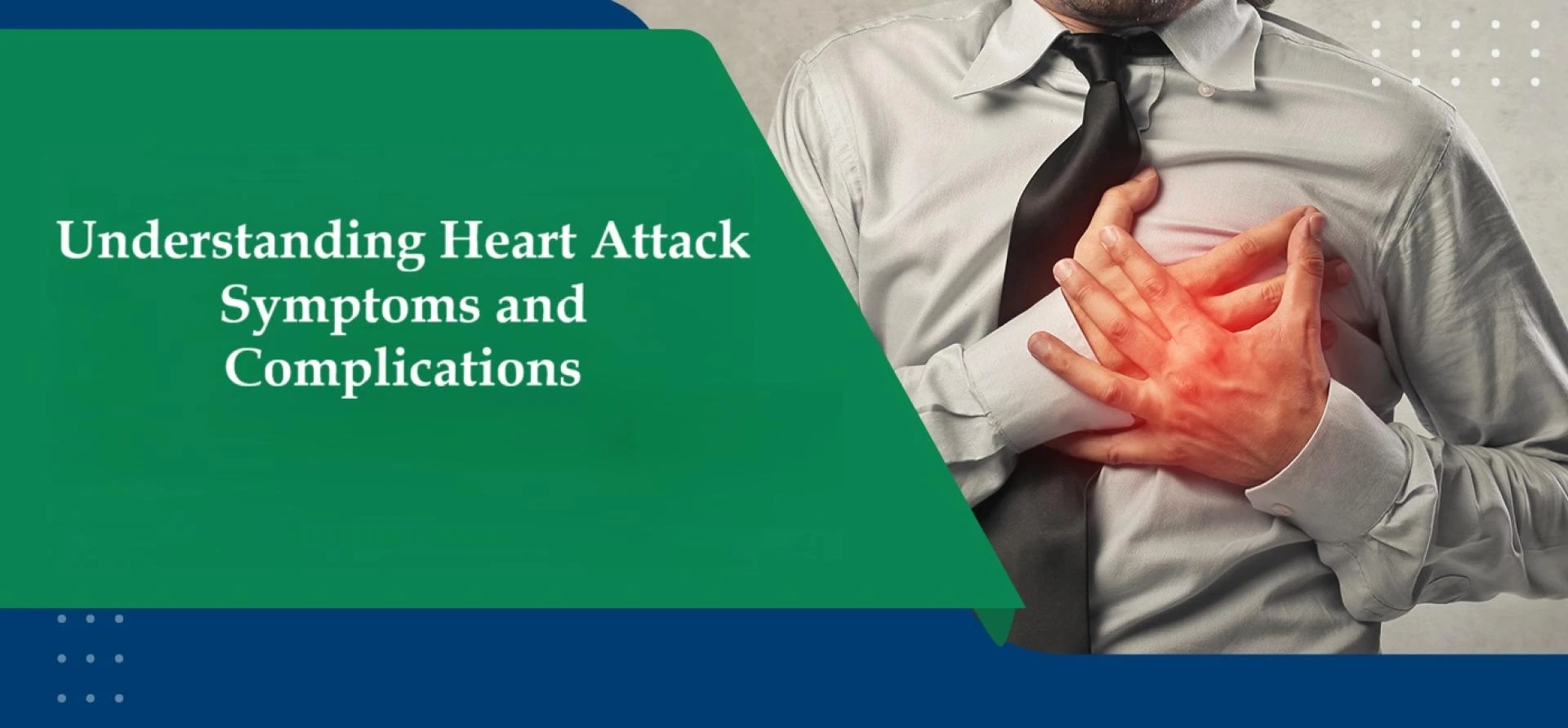
The most common symptoms of a heart attack include chest pain or heaviness, which may radiate to the left arm, jaw, or back. Other common warning signs include sweating, nausea, shortness of breath and dizziness. Interestingly, women and older people could have a silent heart attack with less pronounced symptoms, such as fatigue, discomfort of indigestion, or palpitations.
The lesson to learn: you do not have to wait until your chest pains become dramatic before you act. Delaying visits to the hospital tends to make a patient even more critical; the signs of the issues, even the mild ones, can save a patient or ruin a family.
More than the Physical: The Emotional Aftermath of a Heart Attack.
Living through a cardiac event is said to be given a second chance at life. But to most patients, the emotional fallout may seem overwhelming. A fear of being attacked again, economic pressure caused by health costs, and difficulty leading a normal life are usually causes of depression.
It is estimated that one out of every three patients in the world develops depression following a heart attack, and it is estimated that the same might well be the case in India. This emotional conflict is not only about mood, but it has direct impacts on recovery, medication adherence, and quality of life.
This is where understanding heart attack complications goes beyond physical damage—it includes emotional and psychological challenges that need equal attention.
How High Cholesterol Increases Heart Attack Risks
What is the effect of Depression on Recovery and the Heart?
It is a biologically and behaviorally mediated relationship between depression and cardiac health. In depressed patients, stress hormones (cortisol and adrenaline) are still high, putting additional burden on the cardiovascular system. Meanwhile, the lifestyle habits are also impaired- individuals can omit medicines, they can refuse exercise, or neglect diet prescriptions.
To illustrate, a heart attack patient in Mumbai can become so nervous about going out that they miss follow-up visits. A second one in Delhi can have problems with sleep, with the effect of depression, with the elevation of blood pressure and the danger of complications. This is a vicious circle of poor recovery that causes depression, and vice versa.
Another Often Overlooked Relationship to Mental Health and Cardiac Events.
Over the years, cardiologists were more concerned with blockages and cholesterol levels, but there is an increasing body of research indicating that depression alone is a heart disease risk factor. Individuals who experience long-term depression are much more vulnerable to cardiovascular events.
Mental health awareness in India is also at an early phase and many patients do not seek treatment until the disease develops into a physical one. Such a failure to recognise leads to delayed diagnosis and unfavourable outcomes. Screenings of mood disorders in cardiac wards are gradually being introduced in hospitals; however, there is a lot more that needs to be done to close the gap between cardiology and psychiatry.
Problems Beyond What Blocks.
A heart attack does not simply stop the moment the blood supply is restored; it leaves weaknesses. The most common heart attack complications include:
• Arrhythmias (irregular heartbeats), which can be treated with medication or implantation (pacemaker).
Heart failure- The damaged heart muscle fails to pump efficiently.
• Cardiogenic shock, a condition of heart failure that is life-threatening and sudden.
• Repeated heart attacks, frequently lifestyle-related or unsuccessful recovery.
Depression has the potential to increase such risks silently. A patient who loses motivation to visit cardiac rehab or stops following up may not know that she/he is at risk of developing complications. This renders the concept of integrated care, where mental and psychological health is considered, completely essential to Indian patients.
Bridges to Improved Recovery: Cardiac and Mental Care.
Medicines and stents are not enough to make a heart attack patient recover holistically. Combined counseling and physical therapy cardiac rehabilitation programs have demonstrated good results across the globe. Cities such as Bengaluru and Chennai in India are starting to embrace the idea of having psychologists and cardiologists operating together.
CBT, mindfulness-based stress reduction, and group support gathering are some examples of therapies that can be transformative. Patients not only get physical strength but also develop resistance to anxiety and depression. This combined model decreases recidivism in hospitals and enhances survival.
Preventive Outlook: Heart and Mind Protection.
The ancient saying, the best cure is prevention, is conspicuously so. To maintain the health of the heart in India, the physical and emotional risk factors need to be handled. A nutritious diet high in traditional foods, as millets and lentils, a regular exercise routine, yoga or brisk walking, and meditation practice can help the heart and the mind.
It is also critical to destigmatize mental health. As they would not think twice when visiting a cardiologist to get help with chest pain, consulting a psychiatrist or counselor should become a new routine when it comes to experiencing emotional distress following a heart attack. Indians can protect not only life expectancy but also life quality by considering depression as a subset of overall cardiac management.
Summary
Heart disease in India ceased to be the cholesterol figures or the choice of lifestyles. Depression has also become an unwanted companion that makes life worse and harder to heal. Recognizing the symptoms of a heart attack quickly, addressing both emotional and physical heart attack complications, and embracing a multidisciplinary approach is the way forward.
To both patients and families, the message is simple: healing the heart is not a mere survival of the attack, but restoring life with hope, strength and comprehensive care.