A smile can say a lot about a person’s confidence, but for some, excessive gum display—commonly called a “gummy smile”—can make them feel self-conscious. While gummy smiles aren’t harmful, many people seek treatment for aesthetic reasons. The good news is that modern dentistry offers multiple solutions tailored to different causes.
This article explores why gummy smiles occur, their potential impact, and the treatment options available today.
What Is a Gummy Smile?
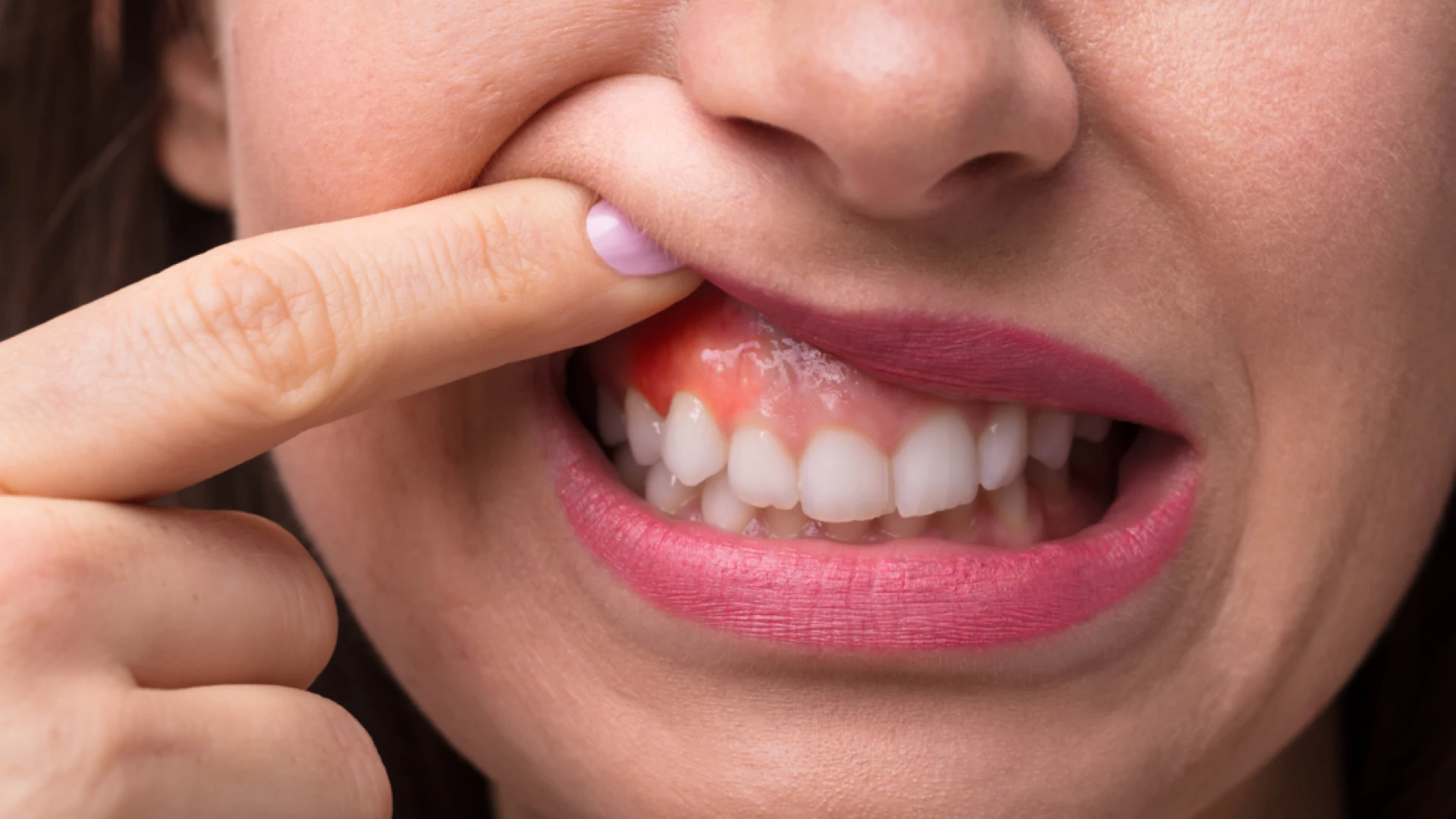
A gummy smile is generally defined as showing more than 3–4 millimeters of gum tissue when smiling. Some people notice it only when laughing or expressing strong emotions, while for others, it’s visible during every smile.
It’s important to remember that this is largely a cosmetic concern. A gummy smile does not usually affect oral health, but many individuals pursue correction to feel more comfortable and confident with their appearance.
Common Causes of Gummy Smiles
There isn’t a single reason why gummy smiles develop—multiple factors may contribute.
- Excess Gum Tissue: Sometimes permanent teeth appear shorter because they are partially covered by extra gum tissue. This can happen naturally or after orthodontic treatment.
- Hyperactive Upper Lip Muscles: In some cases, the muscles that lift the upper lip are overactive, causing the lip to rise higher than average and expose more gum tissue.
- Jaw Development: Vertical overgrowth of the upper jaw (known as vertical maxillary excess) can push gums downward and create a gummy appearance.
- Tooth Size or Shape: Smaller-than-average teeth or worn enamel may contribute to the appearance of excessive gum exposure.
- Gum Disease: In rare cases, swollen or inflamed gums due to periodontal problems can exaggerate gum display.
Are Gummy Smiles a Health Concern?
Most of the time, gummy smiles are not linked to oral health risks. However, in certain cases:
- Excessive gum tissue may make cleaning more difficult, increasing the risk of plaque buildup.
- Jaw misalignment may affect bite function, leading to uneven tooth wear or discomfort.
Even when there is no medical concern, the psychological impact can be significant. Many people with gummy smiles report avoiding photos or covering their mouths when laughing.
Modern Options for Gummy Smile Treatment
The right treatment depends on the underlying cause. A professional evaluation is necessary to determine which approach will create the best results.
1. Gum Contouring (Gingivectomy)
For cases caused by excess gum tissue, dentists may perform gum reshaping. This procedure involves carefully removing and reshaping the gumline to expose more of the natural tooth.
Best for: Mild gummy smiles caused by extra gum coverage.
2. Orthodontic Treatment
Braces or clear aligners can adjust the bite and reposition teeth in a way that reduces gum exposure. Sometimes orthodontics is combined with other treatments for optimal results.
Best for: Gummy smiles related to bite issues or tooth positioning.
3. Botox Injections
When overactive lip muscles are the cause, small doses of Botox can relax the muscles so the upper lip does not rise as high.
Best for: Patients seeking a temporary, non-surgical solution.
4. Crown Lengthening
This procedure reshapes both gum tissue and, if needed, underlying bone to lengthen the visible portion of the tooth.
Best for: Short teeth due to excessive gum coverage.
5. Lip Repositioning Surgery
A minor surgical procedure can reposition the upper lip to reduce how much gum shows when smiling.
Best for: Moderate to severe cases caused by hyperactive upper lip movement.
6. Orthognathic Surgery
For patients with jaw overgrowth, corrective jaw surgery may be recommended. This is a more complex option but can significantly improve facial balance as well as smile aesthetics.
Best for: Severe gummy smiles caused by skeletal issues.
The Role of Dental Professionals
Choosing the right treatment for a gummy smile requires professional evaluation. Dentists or orthodontists assess factors such as tooth length, gum display, jaw alignment, and lip movement before recommending an option. In some cases, multiple treatments may be combined for the best outcome.
Patients are also encouraged to ask about recovery times, expected results, and long-term maintenance for each treatment.
Living Confidently With or Without Treatment
Not every person with a gummy smile seeks treatment—and that’s perfectly fine. For some, it’s a unique part of their natural expression. For others, pursuing correction is a way to feel more at ease in social and professional settings.
Ultimately, the choice depends on personal preference, comfort level, and whether the gummy smile is linked to an underlying dental condition.
Final Thoughts
A gummy smile may seem like a small detail, but it can have a big impact on confidence and self-image. Understanding the causes is the first step toward finding the right solution. With today’s options—from gum contouring and orthodontics to Botox and advanced surgical techniques—patients have more choices than ever before.
If you’ve been considering gummy smile treatment, consulting a dental professional can help you understand the cause of your smile and explore solutions tailored to your needs.