

Modern websites rarely serve visitors from a single country. Businesses now attract users from different regions, networks, and devices. Because of this, performance depends on more than design and optimization. The technical foundation behind the website plays a major role in how fast pages load and how smoothly users interact.
Global performance mainly depends on two factors. The physical location of infrastructure and the way companies plan their long term operational costs. When these are handled correctly, websites remain fast, stable, and scalable as traffic grows.
The Connection Between Distance and Loading Speed
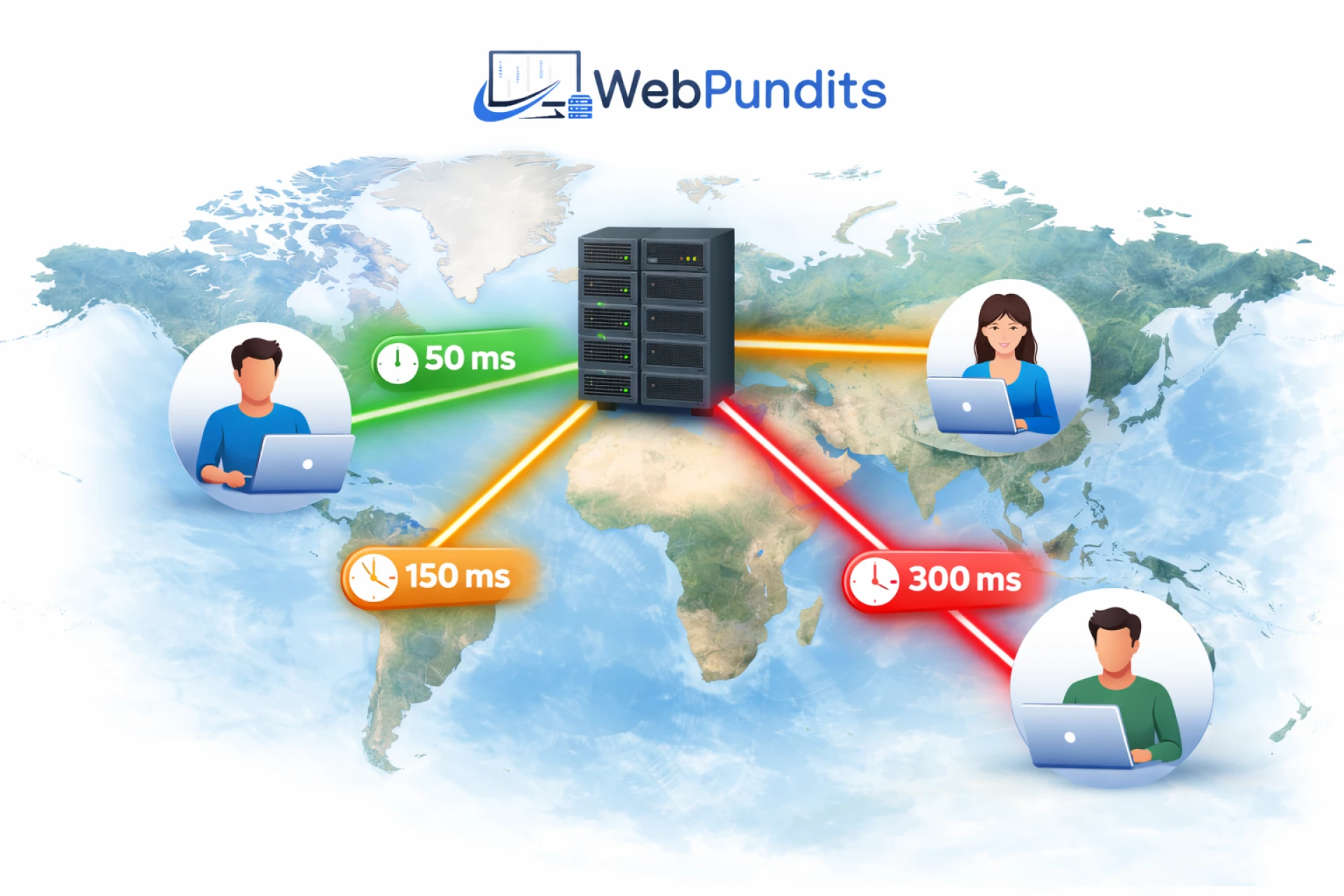
Every time a visitor opens a page, the browser sends a request to a server. The request travels across multiple networks before returning the content. The longer the distance, the longer the response time.
Latency is the delay between request and response. Even small delays affect user behavior.
Typical user perception:
Below 50 milliseconds feels instant
Around 150 milliseconds feels slightly slow
Above 300 milliseconds causes users to leave
Many site owners start researching why choose us based infrastructure for global visitors after noticing slow international traffic even when their website is optimized. The reason is physical distance. Speed depends on how far the data must travel, not only how optimized the website is.
For example, websites targeting American audiences often benefit from a dedicated server dallas location because it sits near major backbone networks and reduces cross-country latency.
A nearby server always responds faster than a distant one, regardless of software optimization.
Why Optimization Alone Cannot Solve Speed Problems
Website owners often compress images, remove scripts, and enable caching. These improvements reduce page weight but cannot remove travel time between user and server.
Optimization improves efficiency, but geography controls delivery time.
Content delivery networks can speed up static files such as images and stylesheets. However, dynamic requests like logins, dashboards, and databases still communicate directly with the main server. Because of this, infrastructure location remains a critical decision for global audiences.
Understanding the Cost Side of Performance
After learning about location impact, businesses begin evaluating affordability and sustainability. Performance must remain stable without creating unpredictable expenses.
At this stage, companies often research factors that influence hosting pricing to understand why similar services have different costs across providers and regions.
Several elements affect infrastructure expenses.
Hardware Resources
More CPU cores, higher memory, and faster storage require higher operational capacity.
Network Quality
Premium network routes provide stable connectivity and lower packet loss but increase operating cost.
Datacenter Reliability
Facilities with redundant power and multiple network carriers provide better uptime and higher reliability.
Technical Management
Security monitoring, maintenance, and updates add operational overhead but prevent downtime.
Businesses comparing performance and cost frequently evaluate affordable dedicated servers to balance reliability with predictable long term expenses.
Choosing infrastructure without understanding these factors can lead to unstable performance or repeated migrations.
Planning a Sustainable Infrastructure Budget
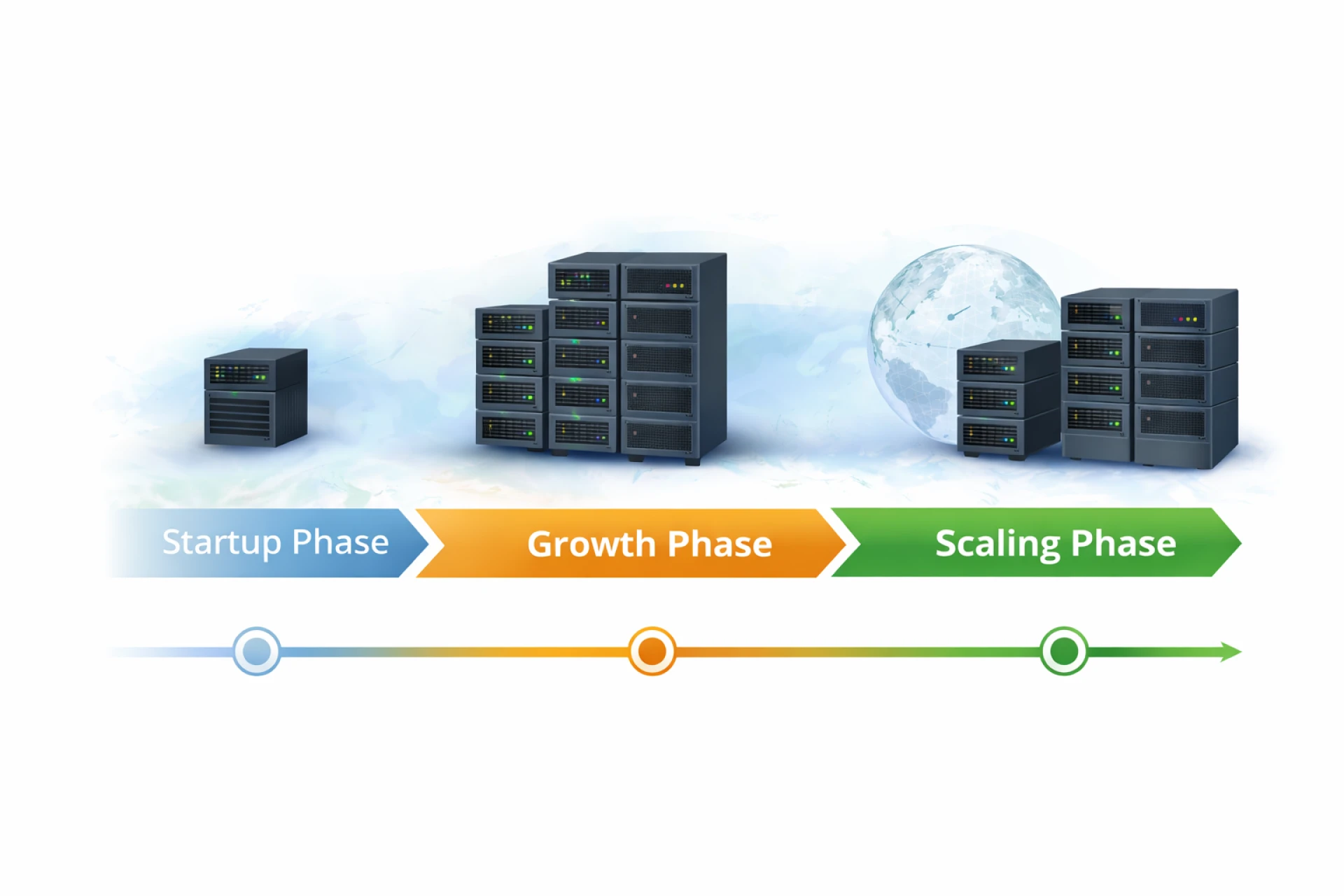 Many businesses choose low cost setups early and later face performance problems during growth. Emergency upgrades usually cause downtime and ranking drops.
Instead, companies learn how businesses budget for web infrastructure before traffic increases.
A structured approach helps maintain performance while controlling expenses.
Early Stage
Focus on reliability and consistent performance rather than maximum capacity.
Growth Stage
Upgrade resources based on real visitor analytics and usage patterns.
Scaling Stage
Introduce caching layers and workload distribution to maintain speed efficiently.
Planning ahead avoids sudden expenses and technical disruptions.
Balancing Global Reach With Efficiency
Serving global users does not require placing infrastructure in every country. The correct strategy is placing servers near the majority audience and optimizing secondary regions.
Important factors to analyze include:
Primary visitor region
Type of application
Frequency of database usage
Real time interaction requirements
For example, businesses serving East Coast customers often prefer dedicated server hosting new york to minimize response time for financial platforms and customer dashboards.
A strategic placement approach improves performance while keeping costs predictable.
Impact on SEO and User Engagement
Search engines evaluate user behavior signals such as interaction time and bounce rate. Slow websites reduce engagement and affect visibility.
Faster platforms typically achieve:
Higher session duration
Better conversion rates
Improved crawl efficiency
Stronger retention
Infrastructure planning therefore supports marketing performance as well as technical stability.
Conclusion
Global performance depends on both location strategy and financial planning. Businesses that understand user geography and plan infrastructure costs early avoid performance issues as they grow.
Instead of treating hosting as a technical afterthought, it should be part of long term digital strategy. Proper planning ensures consistent speed, stable uptime, and predictable expenses.
At Web Pundits, businesses can build infrastructure strategies that support international visitors while keeping operational planning practical and sustainable.
Frequently Asked Questions
1. Does server location really affect website speed?
Yes. The closer the server is to the visitor, the faster the response time and page loading experience.
2. Can a CDN replace proper server placement?
A CDN helps with static content but dynamic processes still depend on the main server location.
3. Why do hosting prices vary between providers?
Pricing changes based on hardware quality, network routing, reliability level, and technical management services.
4. When should a business upgrade its infrastructure?
Upgrades should happen when analytics show consistent traffic growth or performance bottlenecks.
5. Is cheapest hosting good for startups?
It may work initially but can cause migration issues and downtime when traffic increases.
6. How can companies control long term infrastructure costs?
By planning capacity stages early, monitoring usage patterns, and scaling resources gradually instead of reacting late.