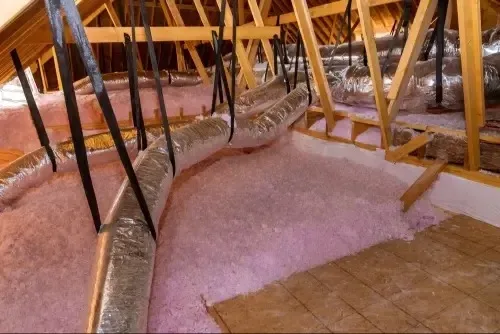
When planning a home energy upgrade, selecting the right material depends heavily on Fiberglass Insulation R-Values to determine how well the material resists heat transfer. Generally, standard fiberglass batts offer a thermal rating between 3.1 and 4.3 per inch of thickness. This quick guide explains how these numbers translate to yearly energy savings and comfort.
Homeowners often struggle to balance upfront installation costs with long-term energy savings. With decades of collective field observation, building science experts confirm that proper installation remains just as important as the thermal rating itself. This overview provides the technical details you need to make an informed decision for your property.
The Basic Definition of Thermal Resistance in Buildings
To select the right thermal barrier, you must first understand the concept of thermal resistance. The letter R represents a material's capacity to resist heat flow, where higher numbers indicate better performance; this keeps warm air inside during winter and outside during summer.
Using quality materials helps reduce the strain on your heating and cooling systems. The overall thermal effectiveness of your attic depends on several key variables.
- The thickness of the installed material.
- The density of the fiberglass fibers.
- The quality of the air sealing performed beforehand.
- The prevention of drafty gaps.
The Department of Energy reports that sealing air leaks and adding insulation can save a homeowner about 15% on heating and cooling costs. Choosing materials with consistent Fiberglass Insulation R-Values ensures your HVAC system does not have to work overtime.
Standard Thermal Performance Values

Comparing Different Forms of Fiberglass Materials
Fiberglass comes in two primary forms, each suited for different areas of your home. Choosing between them depends on the accessibility of the space and your budget.
Standard Fiberglass Batts and Rolls
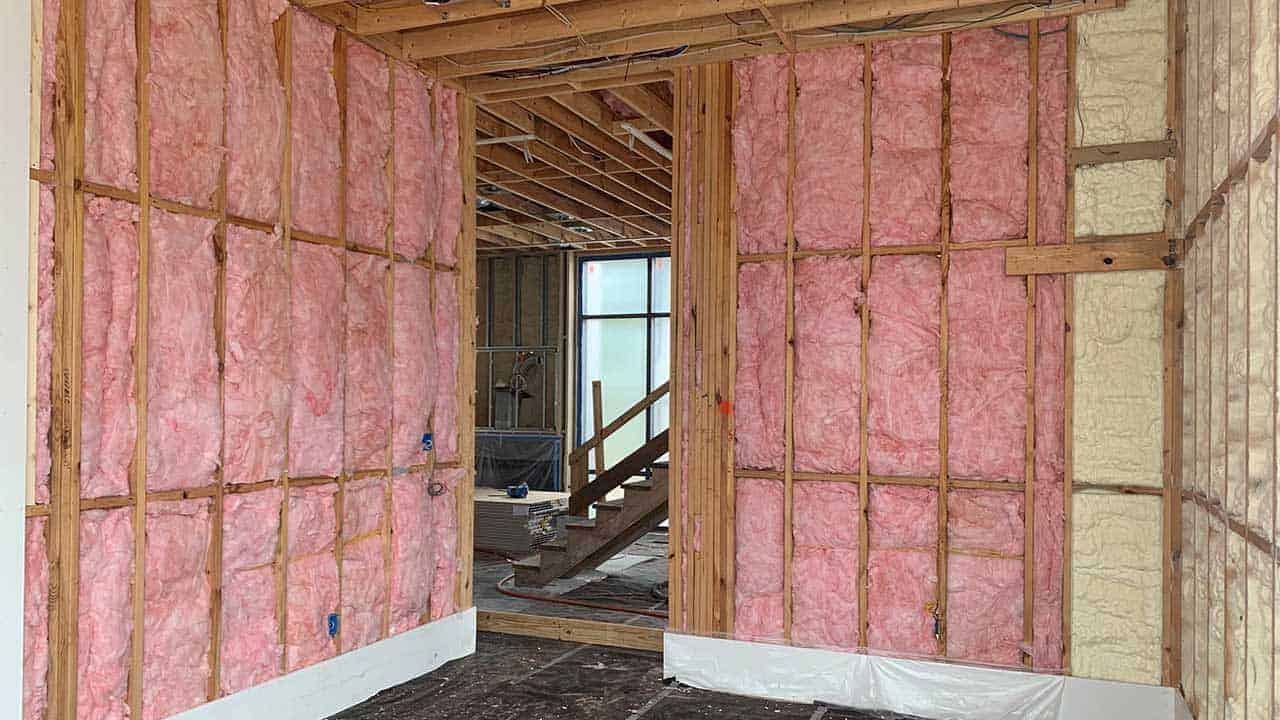
Pre-cut batts fit snugly between standard wall studs and ceiling joists. They are easy to measure and place in open, unobstructed cavities.
- They come in standard widths designed for 16-inch or 24-inch stud spacing.
- Some batts feature a paper facing that acts as a vapor retarder.
- They require careful cutting around electrical boxes to avoid compression.
- They are ideal for new construction projects with open walls.
Loose Fill Blown In Fiberglass
Blown-in fiberglass uses a machine to distribute loose fibers into hard-to-reach areas. This method is highly effective for irregularly shaped attics and existing wall cavities.
- It fills small gaps and crevices around wiring and pipes.
- It can be added over existing material to boost overall thermal performance.
- It requires a specialized blowing machine for correct application.
- It can settle slightly over time if not applied at the correct density.
For homes with complex layouts, professional fiberglass insulation services can help identify which form works best for each area of the house. This ensures every corner receives adequate coverage without wasting material.
Why Do Climate Zones Dictate Your Target Thermal Ratings?
The climate you live in determines the total thermal resistance required to keep your living space comfortable. Warmer regions require lower ratings, while colder northern climates require much higher ratings to block freezing temperatures.
The environmental conditions in your state will direct your path toward specific materials. For instance, northern zones often require attic ratings of R-49 or higher, while southern zones might only need R-30.
- Zone 1 and 2 require lower ratings due to milder winters.
- Zone 3 and 4 need moderate thermal barriers for balanced climates.
- Zone 5 through 8 demand heavy barriers to prevent heat loss in freezing winters.
- Local building codes set the legal minimums for new construction.
Bonus Tip: Always check your local building codes before starting an insulation project. Sizing your insulation to match or exceed local codes ensures long-term home value.
When working with a certified Fiberglass Insulation Contractor, they will analyze your specific climate zone to calculate the exact thickness needed. Knowing your zone helps you avoid paying for more material than necessary while still achieving excellent comfort. Having a clear grasp of Fiberglass Insulation R-Values ensures you do not under-insulate your attic.
Preparing Your Property and Selecting Professionals
Selecting the right materials and helpers involves more than just looking at prices. You must assess the current state of your property to ensure a successful upgrade.
Evaluating Existing Material and Attic Ventilation
Before adding new layers, you must inspect what is already in your attic. Old, damaged, or wet insulation can harbor mold and must be removed.
- Check for water stains on roof sheathing.
- Ensure attic soffit vents remain unobstructed.
- Identify any old active knob-and-tube wiring.
- Measure the current depth of existing loose-fill material.
Comparing Local Insulation Professionals
Hiring experienced Fiberglass Insulation Companies ensures the job gets done correctly and safely. Experienced crews understand how to prevent common mistakes like compressing the fiberglass or blocking ventilation paths.
- Ask for proof of licensing and general liability insurance.
- Verify if they offer pre-installation air sealing services.
- Request references from homeowners with similar properties.
- Ensure they provide a detailed written estimate before starting.
Bonus Tip: Ask your contractor if they perform a blower door test. This diagnostic test pinpoints hidden air leaks that insulation alone cannot fix.
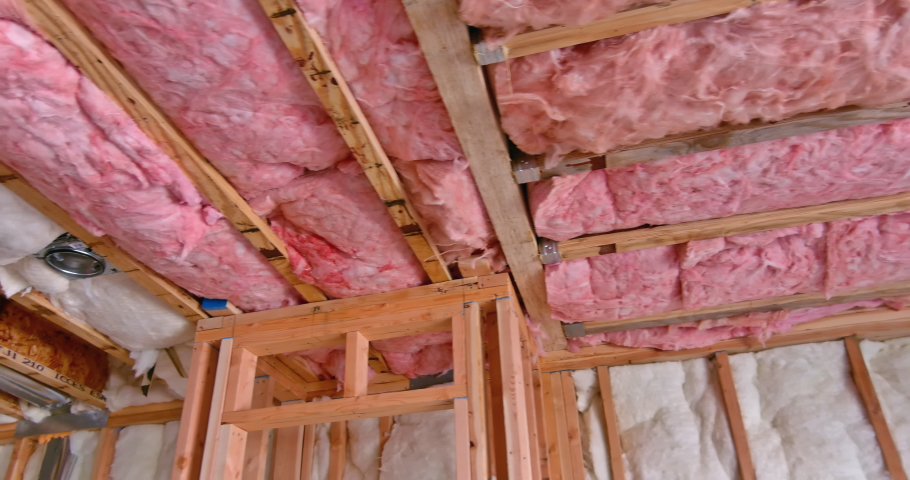
Issues That Can Reduce Your Actual Thermal Performance
Even high-quality materials can fail to perform if installed incorrectly. Several external factors can degrade the thermal barrier over time.
Common installation errors can leave your home drafty and cold. To avoid wasting money, you should watch out for these major issues:
- Material compression, which reduces the trapped air pockets that block heat.
- Moisture intrusion from roof leaks or high humidity.
- Gaps and voids around electrical outlets and plumbing pipes.
- Wind washing near the eaves, where fast-moving air enters.
If fiberglass is squeezed into a space that is too small, its performance drops. This is because Fiberglass Insulation R-Values rely on fluffy, trapped air to slow down heat movement. Once those air pockets are crushed, heat passes through the material easily.
Proper Installation Techniques for Maximum Thermal Value
Maximizing your investment requires strict adherence to industry standards during installation. Proper techniques protect your home and ensure the material lasts for decades.
A proper thermal envelope requires a systematic approach. Installers should follow a strict checklist to guarantee proper performance:
- Seal all bypasses and wire holes with expanding foam first.
- Install baffles at the eaves to keep soffit vents clear.
- Cut batts precisely around pipes and electrical wires.
- Maintain a uniform depth when blowing in loose fibers.
Bonus Tip: Keep a detailed record or certificate of the installed insulation. This document shows the brand, thickness, and total thermal rating, which is useful when selling your home.
By ensuring correct coverage, you protect your heating and cooling equipment from premature wear. Correctly managed Fiberglass Insulation R-Values create a reliable thermal envelope that maintains stable indoor temperatures year-round.
A Direct Path to Smarter Home Insulation Decisions
Upgrading your thermal barrier is one of the most effective ways to lower utility bills and improve indoor comfort. By focusing on correct installation and matching material thickness to your climate zone, you can maximize your long-term energy savings.
Take time to review your current attic depth and consult with qualified professionals to assess your needs. Evaluating your goals and budget today will lead to a more comfortable, energy-efficient home for years to come.
Get a Free Estimate on Your Next Home Efficiency Project
If you want to improve your home comfort and lower your utility bills, reaching out to local experts is a smart first step. The team at Summit Thermal Solutions specializes in Residential Insulation, Commercial Insulation, and Blown-In Insulation services designed to fit your budget. They can evaluate your attic and help you find the right setup for your property. To get a free quote on your project, contact them today at [email protected], or call (573) 889-3512 to speak with an experienced specialist.
Answers to Common Insulation Questions
What does the R stand for in insulation ratings?
The R stands for thermal resistance. It measures how well a material resists the flow of heat, with higher numbers indicating better performance.
Can you mix different types of insulation in an attic?
Yes, you can blow fiberglass over existing fiberglass or cellulose. Just make sure the old material is dry and free of mold before adding new layers.
Does fiberglass insulation lose its effectiveness over time?
Fiberglass is durable and can last for decades. However, it can lose performance if it becomes compressed, dirty, or wet from roof leaks.
How thick does fiberglass need to be to reach R 38?
To achieve R-38, you generally need about 12 inches of standard fiberglass batts or roughly 14 inches of loose-fill blown-in fiberglass.
Why does compressing fiberglass insulation lower its performance?
Compression squeezes out the tiny air pockets trapped within the fibers. These air pockets are what slow down heat transfer through the material.