
Introduction
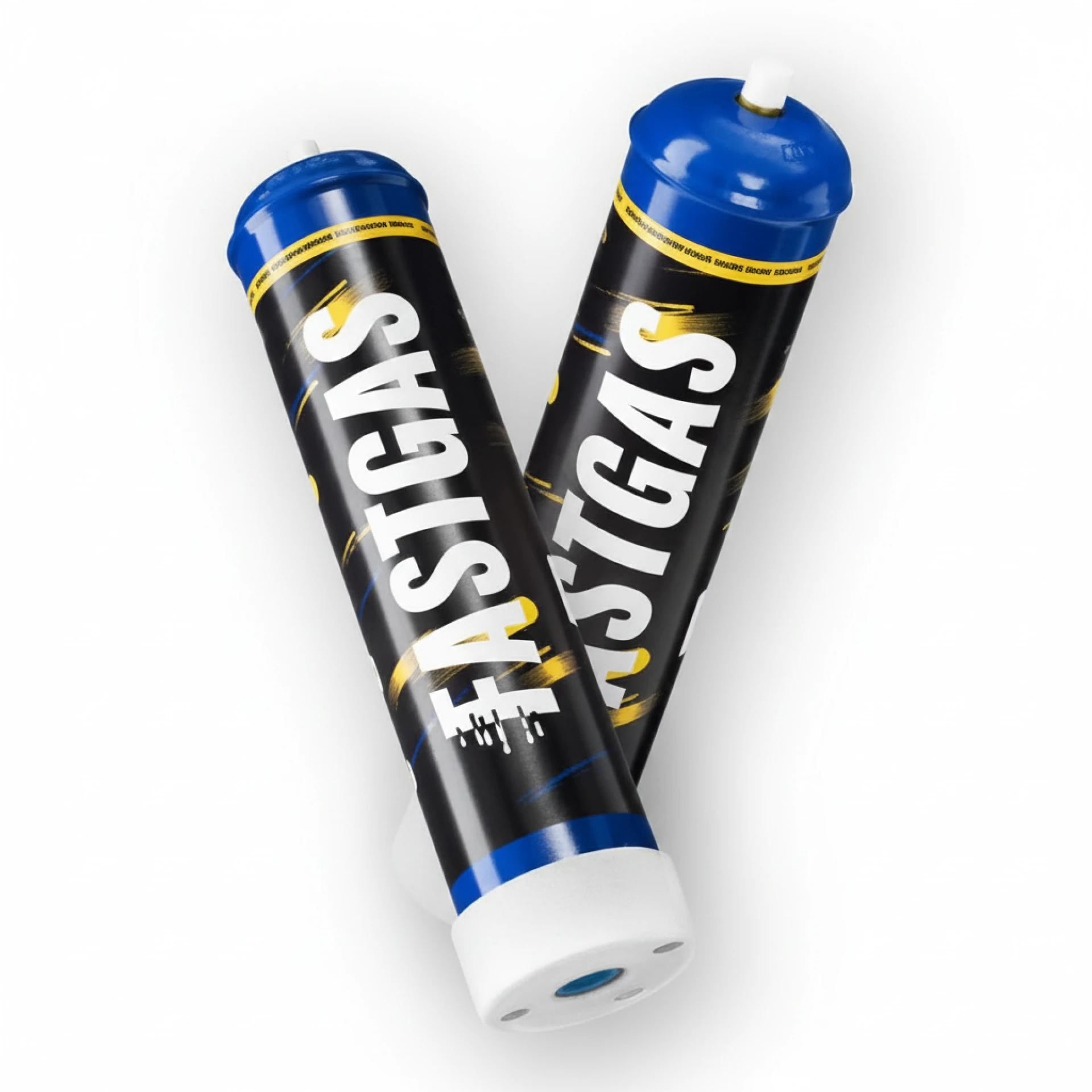
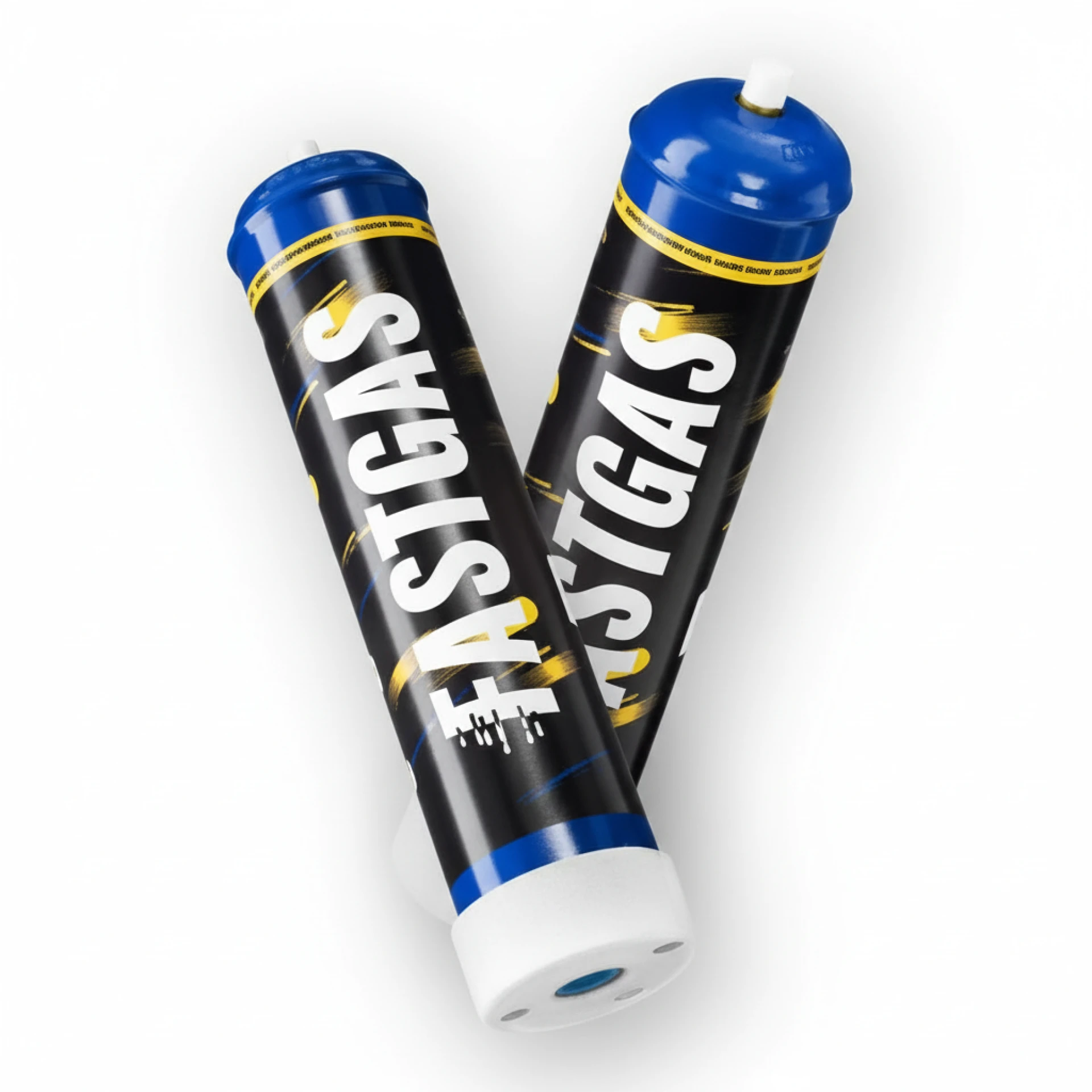
Professional kitchens rely on advanced tools to work efficiently, and one of the most trusted options today is nitrous oxide charging systems. As restaurants scale their dessert and beverage production, they depend on consistent pressure, reliable equipment, and clear guidelines for proper handling. As such, fast gas safety has become an important subject among chefs, baristas, and caterers desiring perfect results without risks to operation. While high-volume systems indeed boast great performance, they still demand trained handling, proper storage, and periodic checks. Furthermore, many professionals prefer larger cylinders for convenience, and one of the most recognizable examples is the Fastgas original cream charger 670g, known for durability and steady output. When you understand safety practices correctly, this protects your team and ensures your whipped creams, foams, and infusions are consistent throughout service.
Why Safety Matters with Culinary Gas Systems
Nitrous oxide is incredibly effective for aeration, but it requires care. Kitchens often function under pressure, and any equipment used during peak hours should operate smoothly. When safety is paramount, your workflow fast gas safety remains uninterrupted, and the textures you create are stable. Even the most seasoned chefs sometimes forget maintenance, which is why being aware of common risks helps avoid costly mistakes. While advanced cylinders are built robust, the way you store and connect them affects their lifespan and their performance reliability. Meanwhile, many kitchens rely on the Fastgas original cream charger 670g for its predictable performance across dozens of servings, and even then, it benefits from the same safety procedures as larger tanks.
How Fast Gas Systems Work in Culinary Settings
Nitrous oxide quickly dissolves into cream or liquids and expands as it's released, creating smooth aeration in a matter of seconds. Because the mechanism involves pressure, understanding how your system functions helps you detect early signs of leaks or equipment fatigue. Furthermore, proper handling ensures that fast gas safety dispensers achieve their full potential. While most systems function in a similar fashion, each brand has its own regulators and points of connection, which requires chefs to read equipment instructions carefully before each setup. For example, though the Fastgas original cream charger 670g handles high-volume output remarkably well, it still requires controlled pressure release and secure hose connections in order to stay safe throughout multiple shifts.
Safe Setup Practices for Daily Use
Checking Cylinders Before Use
Before attaching any cylinder, inspect the exterior for dents, rust, or loose valves. Even minor blemishes can affect pressure control. Since kitchens fast gas safety usually go through several deliveries at any one time, checking each and every batch will ensure that you are not accepting damaged or fake goods. Many chefs also record the cylinder numbers for quality control, adding to their safety.
Proper Mounting and Handling of Regulators
Every regulator should be attached firmly without using excessive force. Gentle but secure tightening will save the valve threads from damage and the gas will flow smoothly. After attaching the regulator, fast gas safety a quick leak test using soapy water helps you confirm everything is sealed correctly. This step takes less than a minute but provides tremendous peace of mind during busy hours.
Safe Dispensing Techniques
Open the valve slowly to avoid surges. Gradual release will regulate the pressure inside the dispenser, a necessity to avoid clogging of the internal parts. You should check the texture of a few shots and adjust the pressure needed after dispensing a few shots. Even though large cylinders serve uniform power, systems like the Fastgas original cream charger 670g will equally benefit from these small checks to sustain long-term durability.
Storage Rules Every Kitchen Should Follow
Temperature and Placement
You should keep cylinders upright in cool, shaded areas. High heat raises internal pressure, making them unsafe to store near ovens or fast gas safety grills. Since kitchens are usually busy, designating a corner for storage will help your team remain organized.
Staff Training and Daily Routines
All employees should be aware of the location of the stored cylinders, how regulators are attached to them, and how leak fast gas safety checks are performed. With well-defined responsibilities and basic daily practices, safety becomes an integral component of your kitchen culture and not merely an afterthought.
Disposal and Recycling
When cylinders are empty, bleed off any residual pressure prior to returning them for recycling. Many suppliers offer pick-up, which further reduces kitchen clutter and often aids in meeting waste management regulations.
Authenticity and Quality Assurance Fake cylinders create serious safety risks; hence, verification of authenticity is of great concern. Several trusted brands offer laser marks, QR verification, and batch codes that assist buyers in verifying each unit. Because counterfeit gas is more common than people think, choosing reliable products like the Fastgas original cream charger 670g ensures consistent performance and food-grade purity for long-term safety.
Final Thoughts
Maintaining great safety habits helps your kitchen run smoother, faster, and with less interruption. While gas cylinders are incredibly powerful culinary tools, they require handling by people who have been trained, proper storage, and frequent equipment checks. When chefs understand every part of the system, they maintain an ideal balance between creativity and responsibility. With thorough attention to fast gas safety, your team will be able confidently and precisely to continue churning out foams, whipped creams, and cocktail infusions.