Art, fashion, and cultural identity continue evolving in ways that reflect society’s changing values, interests, and emotional landscape. Every generation introduces new styles, movements, and narratives, but beneath the surface, deeper patterns connect them. Creativity doesn’t exist in isolation—it unfolds through repetition, expansion, and beautifully complex structures.
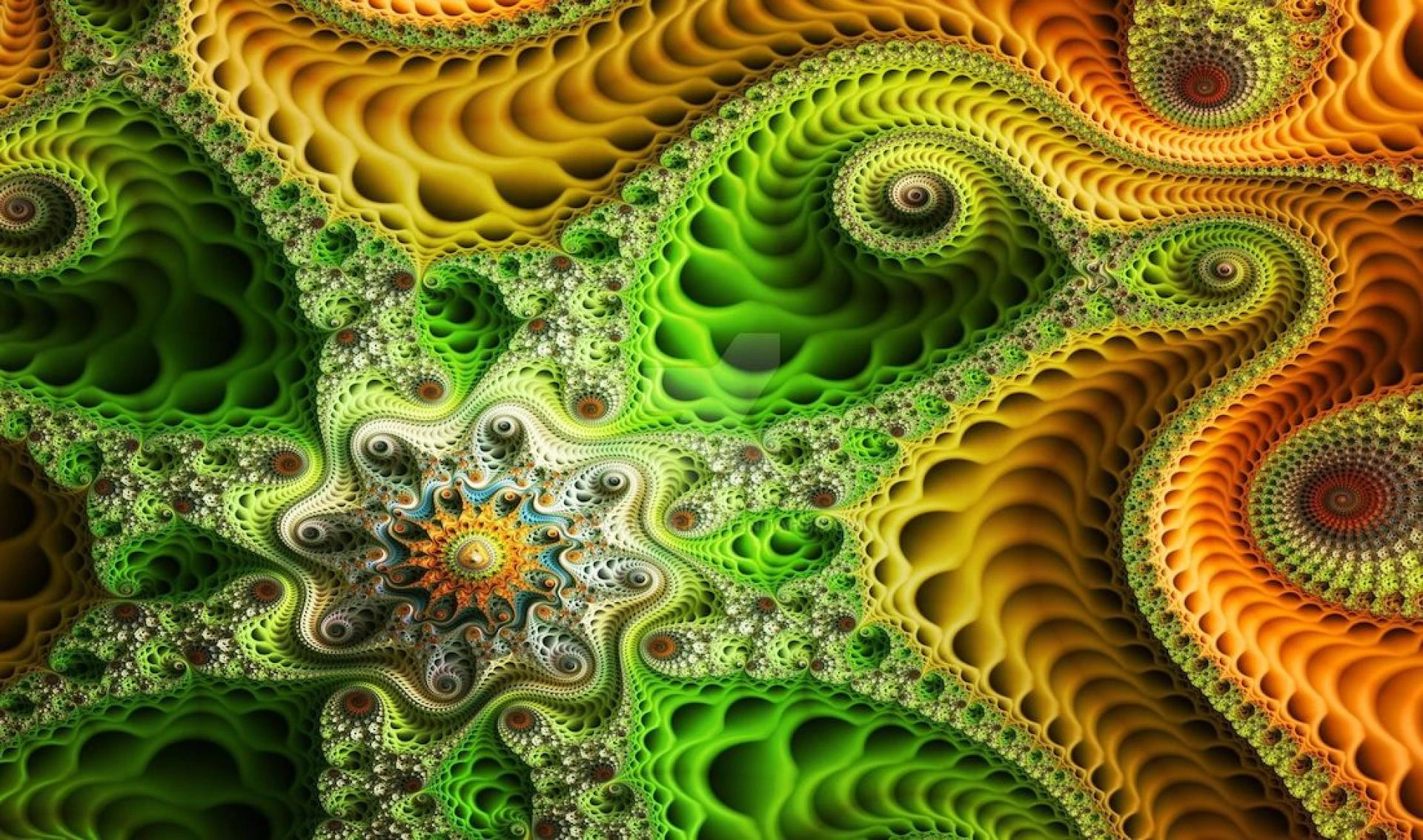
Many thinkers believe that Culture is a Fractal, meaning that cultural ideas repeat themselves across different eras, communities, and artistic forms. Whether in architecture, clothing, storytelling, or music, shapes and themes often mirror one another on both small and large scales. The same emotional expressions found in street fashion may later appear in luxury brands or fine art exhibitions.
This concept also inspires conversations around Culture Fractal, a term suggesting that cultural evolution isn’t linear but interconnected. Instead of beginning and ending, trends constantly reappear, adapt, and grow. What was once considered avant-garde may become mainstream, while forgotten traditions can suddenly resurface with renewed significance.
Creative publications help document these patterns, allowing audiences to witness how culture expands and repeats. A modern fashion and arts magazine doesn’t just showcase clothing or conceptual artwork—it highlights the relationships between social change, personal identity, and aesthetic expression. Readers gain insight into how creativity reflects the world around them.
Editorial storytelling plays a powerful role in shaping perception. Many magazines combine personal narratives, photography, cultural critique, and visual experimentation to demonstrate how art influences everyday life. A thoughtfully curated fashion magazine art section can reveal unexpected connections between runway design, sculpture, digital media, and historical influences.
Another reason cultural expression feels fractal is its ability to exist at different scales simultaneously. A single clothing detail, artistic brushstroke, symbolic pattern, or color palette often influences an entire movement. This supports the idea that Culture is a Fractal, expanding outward while still holding the essence of its origin.
Artists, designers, and writers frequently acknowledge that their work is influenced by the past, even when pushing toward the future. The Culture Fractal idea reminds creators that innovation is not about erasing history but reinterpreting it. Culture becomes richer each time a new layer is added.
Magazines dedicated to creativity also serve as cultural archives. A fashion and arts magazine preserves moments in time—emerging designers, social conversations, shifting beauty standards, and artistic breakthroughs. These publications give future generations a visual record of how society thought, dressed, and expressed emotion.
Visual storytelling remains central to modern media, especially in print and digital formats. Through layout design, photography, and thematic curation, fashion magazine art communicates meaning beyond words. It invites readers to engage emotionally, reflect philosophically, and appreciate the artistic value of everyday life.
As culture continues expanding, repeating, and reshaping itself, creative industries will keep documenting these transformations. Whether examined through magazines, fashion, visual art, or storytelling, the layered and interconnected nature of human expression proves that culture is never static—it grows, multiplies, and evolves like a fractal.