Photo Source: https://unsplash.com/photos/a-woman-has-her-hand-on-the-shoulder-of-a-man-ce1jbtVoRmA
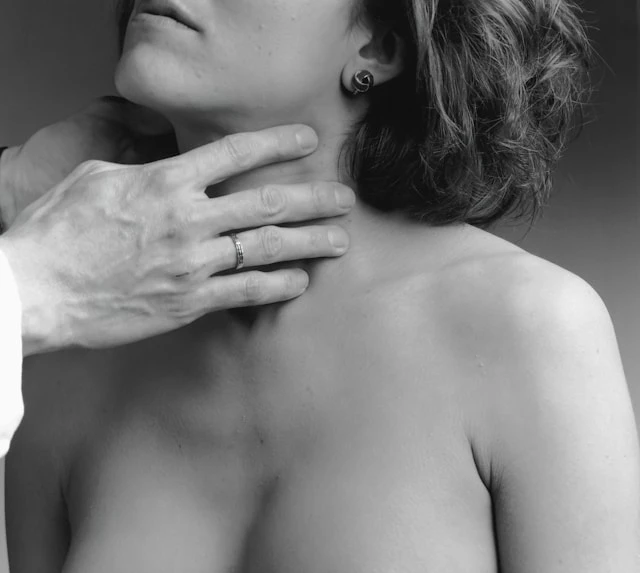
A small butterfly-shaped gland at the base of your neck regulates your energy, mood, weight, and metabolism on a daily basis. You rarely consider this when this strong organ runs perfectly. When imbalances arise, however, the disturbance can be really noticeable and influence everything, even your skin texture and pulse. Many patients live with symptoms for years before getting the treatment they require, as thyroid disorders frequently resemble other medical problems. However, after a diagnosis, there are treatment options that remarkably precisely target both comfort and function.
Hypothyroidism Creates a Widespread Slowdown That Affects Body and Mind
The whole body goes into a form of metabolic hibernation when the thyroid generates too little hormones. You might find inexplicable tiredness, susceptibility to cold, weight gain in spite of the same eating patterns, and mental fog slowing down your thoughts. Your heart rate could seem slow, and your skin might get dry. Fundamentally, hypothyroidism is underactivity—usually brought on by radiation treatment, surgical gland removal, or autoimmune diseases like Hashimoto's thyroiditis. Blood tests confirm the diagnosis by showing lowered free T4 levels and raised TSH. To provide equilibrium and undo symptoms, treatment consists of hormone replacement therapy. Once stable, constant observation guarantees that the dosage is effective as your body changes with age or stress.
Hyperthyroidism Pushes the Body into Overdrive and Can Disrupt Daily Life
Unlike hypothyroidism, an overactive thyroid causes your body to produce too many hormones, which speeds up your metabolism. Rapid heartbeats, anxiety, sleeplessness, and inexplicable weight loss can all follow from this. Particularly in situations connected to Graves's disease, muscles may feel weak, and eyes may get inflamed or seem larger. This autoimmune condition drives the gland to create too many hormones. The diagnosis consists of identifying either high free T4 or T3 levels or suppressed TSH levels. Treatment options include radioactive iodine therapy, antithyroid drugs, and, in extreme situations, surgery. Reducing hormone output helps your system to return to equilibrium, thereby relieving emotional as well as physical stress.
Thyroid Nodules Introduce Uncertainty, Requiring Precision in Diagnosis and Care
Usually found on a regular exam or imaging for an unrelated condition, a thyroid nodule is a growth inside the gland. Most nodules are benign and do not interfere with thyroid function, but a small percentage can produce hormones or indicate malignancy. While fine-needle aspiration biopsies offer cellular detail for additional study, ultrasound imaging assesses nodule size and content. Treatment considerations become crucial in situations when nodules cause symptoms, expand visibly, or raise cancer concerns. Thyroid RFA presents a minimally invasive choice for those wishing to avoid conventional surgery. This approach allows the preservation of thyroid function and a faster recovery period than more intrusive treatments by using focused heat energy to lower nodule volume without injuring nearby tissue.
Thyroid Cancer Requires a Thoughtful Blend of Diagnosis, Treatment, and Monitoring
Thyroid cancer still calls for a methodical approach, even if it usually grows slowly and responds well to treatment. Other forms are papillary, follicular, medullary, and anaplastic carcinomas. Early detection is frequently the result of a suspicious nodule being evaluated. Once diagnosed, surgery becomes the major treatment to remove all or part of the gland, usually followed by radioactive iodine to eliminate any residual thyroid tissue. Post-operative balance is preserved by lifetime hormone replacement treatment. Frequent examinations of blood and imaging guarantee early identification of recurrence and prompt management of it. Like many malignancies, prognosis, and quality of life are strongly influenced by mental resilience and access to ongoing treatment.
Post-Treatment and Long-Term Management Focuses on Hormonal Stability and Lifestyle Adjustments
Long-term success hinges on preserving hormonal balance, whether your thyroid disorder calls for surgery, non-invasive treatment, or medication. Regular blood tests measuring TSH and thyroid hormone levels constitute part of follow-up care. Especially in times of stress, pregnancy, or significant life events, dosages may fluctuate with time. Nutrition and lifestyle also play important roles in maintaining good health. Eating meals high in iodine, avoiding too much soy and processed foods, and controlling stress helps to maintain overall thyroid stability. Regular communication with your doctor guarantees that symptoms stay under control and that complications remain at bay. Your treatment plan keeps in line with your body's changing needs, so your capacity to resume daily activities without disturbance increases.
Conclusion
Although the thyroid plays a minor role in your body, it has an impact on almost every system. When something goes wrong, the consequences may be unclear and broad. But with accurate diagnosis and growing treatment choices—including cutting-edge non-surgical approaches—regaining control over your health becomes fully achievable. Knowing these frequent diseases helps you to respond with informed confidence, thereby guaranteeing that your well-being, energy, and attention remain steady independent of the diagnosis.