
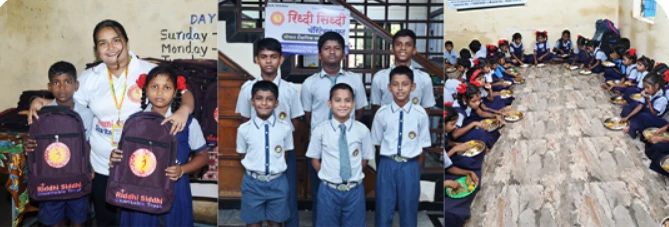
India has a long-standing tradition of philanthropy rooted in cultural, spiritual, and social values. Today, charitable organizations in India play a crucial role in addressing some of the country’s most pressing challenges, including poverty, education gaps, healthcare accessibility, women empowerment, and rural development. These organizations operate across diverse sectors and geographies, contributing significantly to inclusive growth and social welfare.
In recent years, charitable organizations in India have evolved beyond traditional donation-based models. They are increasingly adopting structured governance systems, transparency practices, and measurable impact frameworks, making them more aligned with global standards. This transformation has opened doors for meaningful collaboration with international stakeholders, institutions, and corporate entities seeking to create long-term social impact.
The Structural Landscape of Charitable Organizations
Charitable organizations in India typically function under three primary legal frameworks:
- Trusts – Established under the Indian Trusts Act, these are often family-run or community-based organizations focused on specific causes such as education or healthcare.
- Societies – Registered under the Societies Registration Act, these organizations are more democratic in structure and often work in groups for cultural, educational, or social welfare initiatives.
- Section 8 Companies – Governed by the Companies Act, these are non-profit entities with a more formal structure, often preferred for large-scale operations and partnerships.
Each structure comes with its own compliance requirements, governance models, and operational flexibility. This diversity allows organizations to tailor their approach based on their mission and scale.
Key Areas of Impact
Charitable organizations in India operate across multiple domains, addressing both urban and rural challenges. Some of the major focus areas include:
1. Education and Skill Development
Organizations work to improve literacy rates, provide access to quality education, and promote vocational training. Initiatives often include scholarship programs, digital learning solutions, and infrastructure development in underserved areas.
2. Healthcare and Nutrition
From organizing medical camps to supporting hospitals and promoting preventive healthcare, these organizations help bridge gaps in public health systems. Nutrition programs, especially for children and elderly populations, are also a major focus.
3. Women Empowerment
Many organizations focus on empowering women through skill training, financial literacy, and entrepreneurship opportunities. These efforts aim to create self-reliant communities and reduce gender inequality.
4. Rural Development
Rural initiatives include sanitation projects, access to clean water, agricultural support, and livelihood generation programs. These projects often have a long-term impact on improving living standards.
5. Elderly Care and Social Welfare
With changing family structures, elderly care has become a critical area. Charitable organizations provide shelter, medical assistance, and emotional support to senior citizens.
Governance and Transparency
Modern charitable organizations in India are increasingly emphasizing accountability and transparency. Key practices include:
- Regular financial audits
- Public disclosure of annual reports
- Impact assessment and monitoring
- Digital donation tracking systems
These measures help build trust among donors and collaborators, both domestic and international. Compliance with regulations such as the Foreign Contribution Regulation Act (FCRA) is also essential for organizations receiving international funding.
Challenges Faced by the Sector
Despite their significant contributions, charitable organizations in India face several challenges:
- Funding Constraints: Many organizations rely heavily on donations, which can be unpredictable.
- Regulatory Compliance: Navigating legal requirements, especially for foreign contributions, can be complex.
- Scalability Issues: Expanding successful local initiatives to a national level requires resources and strategic planning.
- Awareness Gaps: Limited visibility can restrict outreach and impact.
Addressing these challenges requires a combination of innovation, strategic partnerships, and capacity building.
The Role of Technology
Technology is transforming how charitable organizations operate. Digital platforms enable:
- Online fundraising and crowdfunding
- Data-driven decision-making
- Real-time monitoring of projects
- Enhanced communication with stakeholders
The adoption of technology not only improves efficiency but also increases transparency and scalability.
Emerging Trends in the Sector
Several trends are shaping the future of charitable work in India:
1. Impact-Oriented Approach
Organizations are shifting from activity-based reporting to outcome-based impact measurement. This ensures that efforts translate into tangible social change.
2. Collaborative Models
There is a growing emphasis on partnerships between organizations, private sector entities, and global institutions to maximize reach and effectiveness.
3. Focus on Sustainability
Environmental sustainability and climate action are becoming integral to many social initiatives.
4. Professionalization
The sector is witnessing increased involvement of professionals with expertise in management, finance, and technology, leading to improved operational efficiency.
Opportunities for Global Engagement
India’s diverse socio-economic landscape presents unique opportunities for meaningful engagement. The scale of challenges also means that well-structured initiatives can create significant impact. International stakeholders often find value in collaborating with organizations that demonstrate:
- Strong governance frameworks
- Clear impact metrics
- Scalable project models
- Cultural and regional understanding
Such collaborations are not just about funding but also about knowledge exchange, innovation, and long-term development.
Ethical Considerations and Cultural Sensitivity
Working within India’s social ecosystem requires an understanding of cultural nuances, local practices, and community dynamics. Successful initiatives are those that:
- Engage local communities in decision-making
- Respect cultural traditions
- Focus on sustainable, long-term solutions rather than short-term relief
This approach ensures that interventions are both effective and inclusive.
Conclusion
Charitable organizations in India are at the forefront of driving social change across diverse sectors. Their evolution into structured, transparent, and impact-driven entities has enhanced their credibility and effectiveness. While challenges remain, the sector’s adaptability and commitment to innovation continue to create new possibilities.
For global stakeholders, India offers a dynamic environment where thoughtful collaboration can lead to meaningful and measurable outcomes. By aligning shared values, leveraging local expertise, and focusing on sustainable impact, these partnerships can contribute to building a more equitable and inclusive society.