Understanding Autism Hitting and Laughing: How Sensory Dysfunction Also Impacts Humming in Children
Behavior and communication are terms that most describe the Autism Spectrum Disorder (ASD) behavior spectrum. Among these ranges are humming and the common phenomena of autism hitting and laughing that consist most of the time seen actions by parents and caregivers. Many observers may consider it even to be confusing or worrying, but these are behaviors which actually serve much deeper reasons-mostly related to self-regulation and sensory processing. Whichever the case, how sensory dysregulation affects these expressions, what they mean, and how caregivers can support children through understanding and compassionate strategies will be discussed in this blog post. Your child tends to hum, hit, or laugh out of the blue? If so, read on.
1. Comprehending Humming in Children with Autism
This humming in autistic children is often misguided. Some will think it is distraction or misbehavior when it is mostly a kind of self-soothing or stimulation behavior, also called "stimming." These kids hum for self-regulation in overwhelming sensory input and to feel more in control in new settings. The humming can feel reassuringly repetitive, predictable, and safe. Instead of putting efforts in curbing this kind of behavior, it is instead better to view it as a kind of communication system and internal processing of the external chaos and stress.
2. The Relationship between Sensory Overload, Hitting, and Laughing
Often, autism hitting and laughing will occur without any conscious catalyst. One can understand these things better when thrown into the mix of sensory overload. For kids on the spectrum over-stimulated with noise, light, or even texture, inappropriate laughter or tendency to strike someone can be happening. It is the body's random way of reacting to intense input-an outburst in seemingly unfortunate timing. It could mean the child is trying to relieve stress or release tension, with hitting possibly being an expression of discomfort because it is getting too hot inside. Therefore, one will be able to observe the entirely discernible patterns in what causes a slew of potentially avoidable situations leading to dysregulation.
3. Humming in Relation to the Regulation of Emotion
Just as adults find relief by humming as a way of soothing weariness or anxiety, humming in Autistic children means managing monsters under the bed emotions. Where verbal communication is difficult or may even be delayed, children will hum as a way of indicating discomfort, fear, or excitement. It is also an internal rhythm that helps to regulate breathing and emotions. Where humming can be associated with autism hitting and laughing, all three behaviors can be understood to be coping strategies for sensory or emotional distress. If parents can appreciate the function behind these actions, then that would foster a more empathetic parent response towards them.
4. A Home Environment with Support for Meeting Sensory Needs
Creating a sensory-friendly environment can significantly reduce autism hitting and laughing, along with encouraging more quiet time in humming soothingly. Start small with figuring out your child's sensory preferences- they like pressure; likely, the noise is something they wish to avoid or crave movement. Use weighted blankets, noise-canceling headphones, and sensory play bins as calming tools. Once safe stims are permitted, such as humming, hand flapping, or rocking, then add regular sensory breaks with structured routines to establish security and regulation, ideally preventing sensory overload and behavioral explosions in children. Proactive support creates a safe area for children to thrive both emotionally and neurologically.
5. Know When to Call for Professional Help
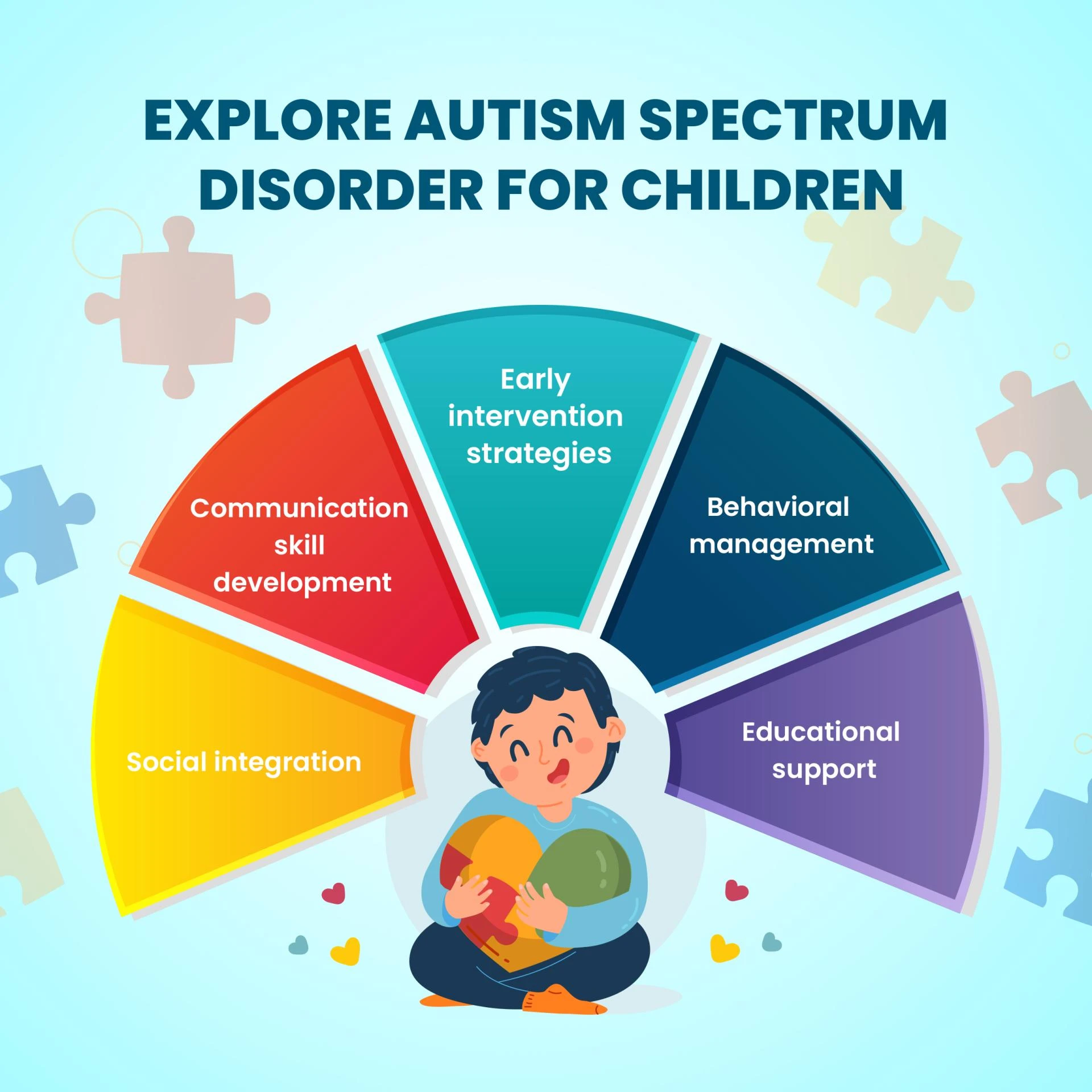
Although humming is harmless in most autistic children, combined behaviors like autism hitting and laughing might hint at some sensory or emotional dysregulation deep enough to warrant professional assistance. Sensory integration always assesses the individualistic needs of children and helps provide intervention courses for their particular situations. Behavioral therapists are available to interpret behavioral patterns and provide resources on managing tough times. Early intervention becomes crucial for those long-term emotional developments in communication. If your child exhibits extremes in behavior such as distressed, self-harmful to themselves or others, or unable to connect meaningfully with the world around them, it is time now to seek the guidance of a professional.
Conclusion
Knowing what underlies those behaviors like humming in autistic children and autism hitting and laughing in children provides the parent with significant power to empathize rather than despair. These actions are purposive, often adaptive to an overstimulating world rather than random or purposeless. Understand these occurrences and the needs they drive, so as to have environments nurturing calm, connection, and communication surrounding them. By parent, caregiver, or professional, meeting those behaviors with curiosity and care will transform an autistic child's journey.