
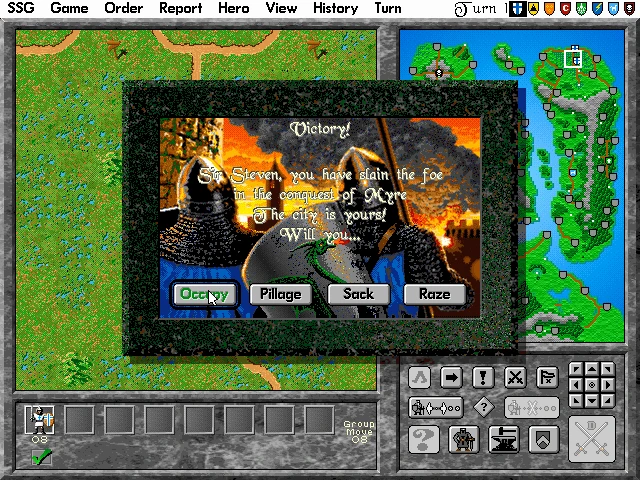
This article examines how abandonware archives support the preservation of early war games and why these collections remain popular among strategy fans.
The gaming world continues to move toward digital-only systems, but older PC titles still hold value. War games from the 80s, 90s, and early 2000s introduced design concepts that laid the foundation for today’s strategy experiences. Abandonware libraries help preserve these important pieces of history.
Why Abandonware Matters
Abandonware platforms act as digital museums. They preserve original game structures, allowing new players to experience titles exactly as they were released. This authenticity is especially important for war game fans who want pure, unaltered strategy.
Strategic Design That Still Matters
Older war games introduced:
- Grid-based movement systems
- Resource balancing
- Layered battlefield formation
- Replayable mission layouts
These elements continue influencing modern developers.
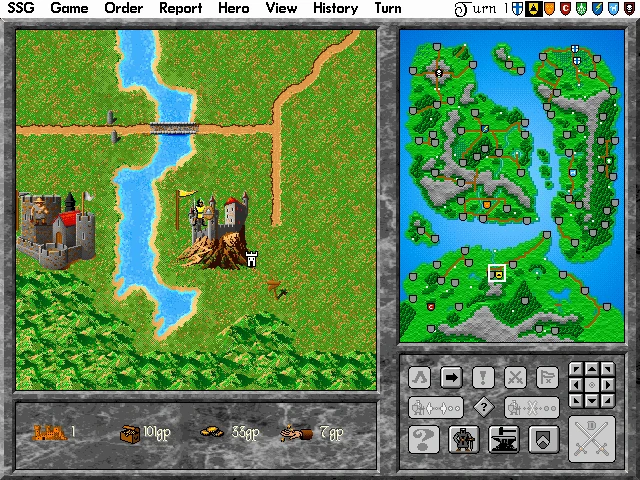
Rising Interest in Retro Strategy Titles
Younger players often discover early titles through preserved libraries such as abandonware platforms. They provide structured and challenge-driven gameplay that differs from modern high-speed action.
External Reference
Historical video game studies and public information archives provide context for how early strategy titles shaped the industry.
FAQ
Why is abandonware important?
It preserves game history and keeps classic titles accessible.
Why do players still enjoy early war games?
They offer depth without unnecessary complexity.
Do preserved games still influence new developers?
Yes. Many modern strategy systems were built from early concepts.