
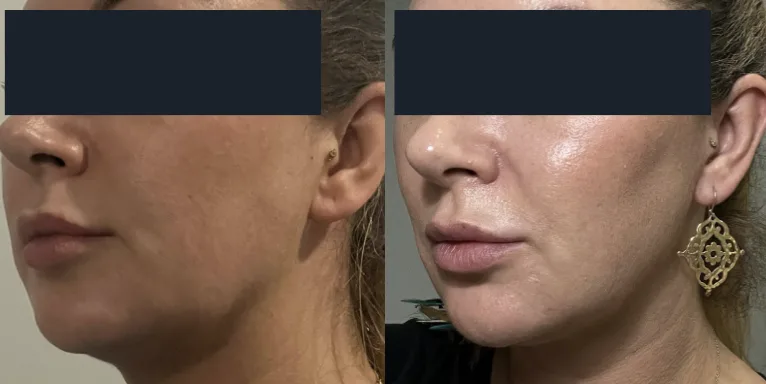
Facials come in many forms these days. They range from traditional approaches designed to cleanse, hydrate, and pamper the skin to powerful ultrasound treatments that stimulate collagen production and address underlying skin laxity. Many people searching for Ultraformer MPT before and after photos will wonder how this technology compares to traditional facials.
What is Ultraformer MPT HIFU facial treatment?
Ultraformer MPT uses non-invasive HIFU (High-Intensity Focused Ultrasound) technology to deliver controlled ultrasound energy to predetermined tissue layers beneath the skin’s surface. This energy causes localised thermal changes that stimulate collagen production. Collagen is the protein responsible for the skin's elasticity and firmness. As collagen production decreases with ageing, wrinkles and loose skin can develop.
Deep heating ultrasound tightens the skin and treats signs of aging by encouraging collagen rebuilding. Ultraformer MPT can target specific areas of concern without incisions. Common treatment areas include the cheeks, jawline, chin, and neck. Because HIFU works below the skin's surface to improve firmness, it can treat issues that may not respond to typical skincare.
What is a traditional facial?
Facials have been used for centuries to cleanse, exfoliate, hydrate, and rejuvenate the skin. They can include steps like cleansers, gentle exfoliants, massages, masks, and moisturisers. Some facials may also use techniques like steaming or extraction.
Facials address issues in the outermost layers of the skin, including dryness, dullness, clogged pores, and uneven texture. While they can provide instant results like better hydration, traditional facials are typically temporary and require maintenance sessions. Traditional facials work best as a complement to daily skincare regimens.
Key differences
While both facial treatments improve skin appearance, they do so in very different ways. HIFU uses ultrasound energy applied at specific depths to initiate collagen remodelling. Settings vary depending on the area being treated and the clinical analysis performed. Traditional facials primarily use topical skincare products and physical manipulation. Their effects are primarily seen closer to the skin's surface.
HIFU targets deeper supporting tissue to improve skin firmness and provide lifting effects. Facials are great for improving superficial skin appearance and hydration. There is no right or wrong answer when choosing between HIFU and facials. They work differently and can target various concerns.
How long do results last?
Another difference between HIFU and traditional facials is how long patients can expect to see results. Some patients notice a slight tightening after Ultraformer MPT treatment but will generally continue to see improvements over the next several months. Collagen rebuilding takes time, and multiple factors can affect how your skin responds to treatment. Age, skin condition, and treatment settings affect the extent and longevity of your results.
Traditional facials usually offer more instant results. Many patients notice smoother skin right after treatment because of increased hydration. Unlike HIFU treatment, these effects are not long-lasting and will eventually fade as the skin returns to normal. With proper maintenance treatments, HIFU can continue to provide benefits for years.
Comfort and recovery
While facials are typically relaxing and require little to no downtime, patients may experience redness or sensitivity with aggressive exfoliants or extraction techniques. Ultrasound skin tightening can cause feelings of warmth, tingling, and discomfort as the energy passes through the treated areas. Patients often report temporary symptoms like redness, swelling, tenderness, or numbness after treatment. Most people can return to normal activities shortly after their HIFU procedure. Recovery can vary between patients.
As with any medical treatment, HIFU carries risks. Although rare when performed by a qualified provider, injuries like burns, nerve damage, and undesirable changes to facial fat can occur. Discuss these risks thoroughly during a consultation before deciding on treatment. Your practitioner can determine if you’re a good candidate for the procedure.
Which skin concerns are each treatment best for?
You should treat your skin concerns with the right procedure, not just the most popular option. Traditional facials might be right for you if you struggle with dehydration, dull skin, or mild surface wrinkles. If you’re primarily concerned with skin laxity, a lack of jawline definition, or the beginning
stages of sagging skin. HIFU may be effective for you after a consultation.
Ultrasound skin tightening isn't right for everyone. Keep in mind that severe skin laxity may not respond to collagen remodelling. Before any procedure, weigh your skin condition, medical history, facial anatomy, and goals. Consult with a professional to see what treatments you are eligible for.
Can you get both treatments?
In some cases, HIFU and traditional facials can be combined to address different skin concerns. For instance, you may want to use traditional facials to keep your skin clean and hydrated while also undergoing ultrasound treatments to improve firmness. Combining treatments means you'll need to plan around both procedures. You’ll want to avoid aggressive exfoliation or skincare products with irritating ingredients close to your HIFU appointment. How long you should wait will depend on your treatments and skin sensitivity. Talk to a professional so they can help you create a treatment plan with minimal discomfort.
A HIFU treatment and traditional facial work on your skin in different ways. HIFU treats beneath the skin's surface by triggering collagen production. Facials focus on the outermost layer of skin to hydrate and clean your face. Cosmetic treatments keep advancing, with technologies like tattoo laser removal now popular in aesthetic clinics. Each treatment works differently and comes with its safety precautions to consider before starting a new regimen.
Deciding whether to get HIFU or a traditional facial should be based on your skin’s needs and what you hope to achieve. Now that you understand how each treatment works, you can choose the option that's best for you.