Concrete is powerful when it is compressed, but weak when it is pulled. That's when bars that add strength come in. The Australian Construction Association says that more than 90% of Melbourne's structural concrete projects need steel reinforcement to be safe. Choosing the right kind of bar may make or break a project! Contractors, engineers, and builders need to be aware of the various types of reinforcing bars, their proper use, and how to locate them quickly. A local reinforcing bar supplier in Melbourne can show you all your possibilities, which may help you stay on track and within your budget.
What Kinds of Reinforcing Bars Are There?
Steel Bars
- Standard steel is used for basic support
- Good for beams, slabs, and columns that are simple
- Pros: Inexpensive and easy to cut and bend on-site
- Cons: It rusts quickly and doesn't last as long.
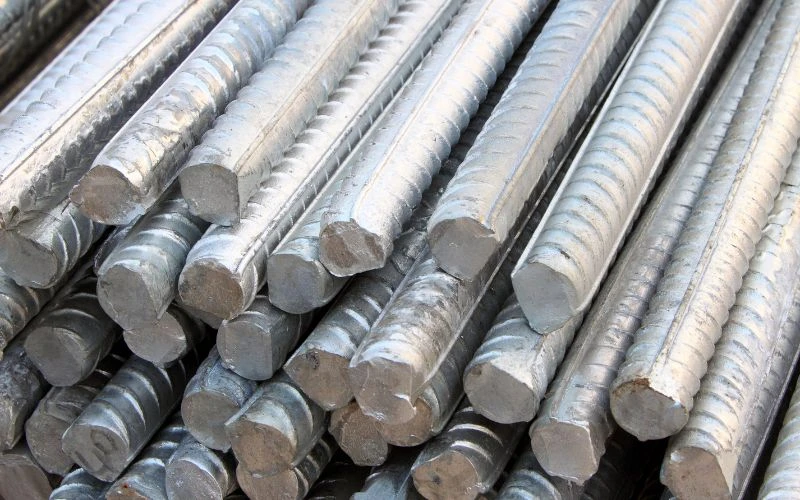
Deformed Bars
- Concrete sticks better to a surface with ribs on it.
- Good for beams, columns, and structural slabs
- Pros: Concrete has a stronger grip, is widely used, and has a high tensile strength.
- Cons: A little more pricey and harder to bend than mild steel
Epoxy-Coated Bars
- Coated to avoid rusting in places with a lot of moisture or by the sea
- Last for years in buildings made of concrete
- Pros: Doesn't rust; therefore, you don't have to take care of it as much over time.
- Cons: You have to be extra careful when you handle it so that the cover doesn't get destroyed.
Stainless Steel Bars
- Not likely to rust
- Great for expensive projects or projects that will last a long time
- Pros: Very sturdy and doesn't need much care
- Cons: High initial cost
Galvanised Bars
- Steel is protected against corrosion by a zinc coating.
- Used a lot in buildings that are outside or open to the air
- Pros: Doesn't rust, can be used outside
- Cons: Moderate cost, coating can be damaged if mishandled
How to Pick the Best Reinforcing Steel Bar?
What the project needs will help you choose the proper bar:
- Load-Bearing Needs: Find out how much tensile stress is needed.
- Conditions in the environment: In humid and coastal areas, you need bars that don't rust.
- Budget Constraints: Mild steel is cheap, while stainless steel is a long-term investment.
- Structural Design: Beams, columns, and slabs all function well with different kinds of bars.
- Availability: Consult a trusted supplier of reinforcing steel bars for large projects to inquire about their stock and delivery times.
Key Points
You need to use strengthening bars to keep concrete buildings safe and make them last a long time. Mild steel, stainless steel, and epoxy-coated steel all have pros and cons. If you pick the right bar, it will last, work well, and be safe. They can help you pick out the right bars, which will save you time and money on your job. You can make better decisions when you're creating if you know the pros and cons of each type. This also helps concrete jobs last longer.