
Dental crowns play a vital role in modern dentistry, restoring both the strength and appearance of damaged teeth. Whether a tooth has been weakened by decay, fracture, or extensive dental work, a crown can protect it while enhancing your smile. Many people associate crowns purely with function, but advances in dental materials mean they can now look highly natural as well. Understanding the different types of dental crowns available can help you make an informed decision that balances durability, aesthetics, and long-term oral health.
What Is a Dental Crown?
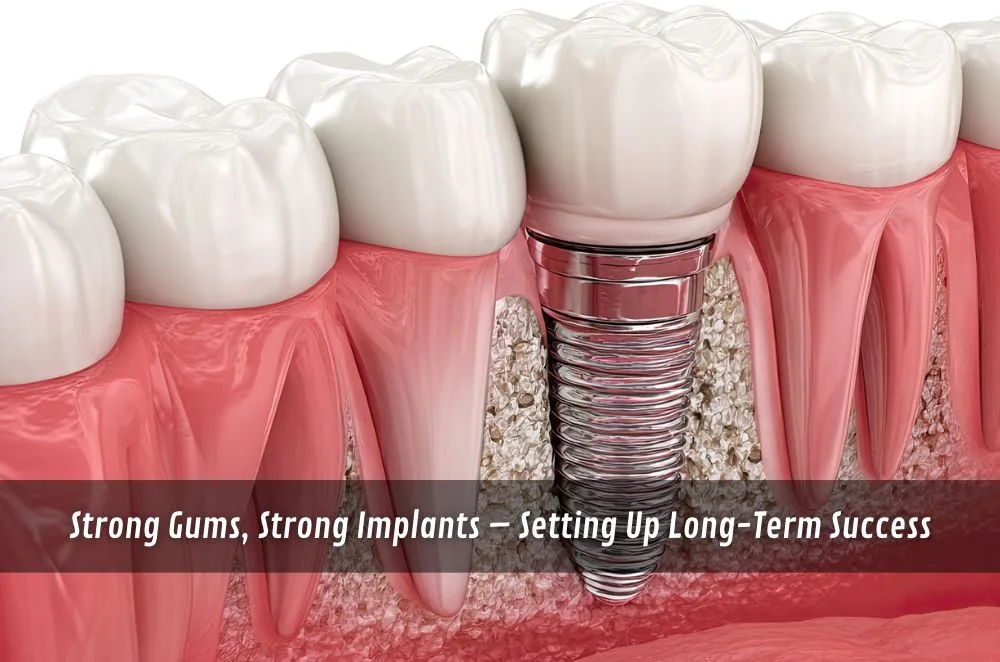
A dental crown is a custom-made cap placed over a tooth to restore its shape, size, strength, and appearance. It fully encases the visible portion of the tooth above the gum line, acting as a protective shell.
Crowns are commonly recommended when:
- A tooth is heavily decayed or cracked
- A large filling has weakened the tooth
- A root canal treated tooth needs protection
- A dental bridge or implant requires support
Unlike fillings, which repair only part of a tooth, crowns provide full coverage, offering greater structural support and longevity.
Factors That Influence Crown Selection
Not all crowns are the same, and choosing the right one depends on several factors assessed by your dentist.
Key considerations include:
- Tooth position: Front teeth prioritise aesthetics, while back teeth require strength
- Bite force: Heavy grinding or clenching affects material choice
- Appearance goals: Matching natural tooth colour and translucency
- Budget and lifespan: Some materials cost more but last longer
Patients who are also exploring restorative solutions such as dental implant London treatments often discuss crowns as part of a comprehensive care plan.
Porcelain Crowns: Natural Appearance
Porcelain crowns are widely chosen for their ability to closely mimic the look of natural teeth. Their colour, translucency, and texture can be customised to blend seamlessly with surrounding teeth.
Advantages of porcelain crowns include:
- Excellent aesthetics
- Ideal for visible front teeth
- Stain resistance
However, porcelain crowns may not be as strong as other materials for heavy chewing. For patients seeking cosmetic enhancement alongside durability, Tooth Crown London options often include porcelain as a popular choice for the smile zone.
Porcelain Fused to Metal (PFM) Crowns
PFM crowns combine a metal base with a porcelain outer layer, offering a balance between strength and appearance. The metal provides durability, while the porcelain improves aesthetics.
Key features of PFM crowns:
- Strong and reliable for chewing
- More natural looking than full metal crowns
- Suitable for both front and back teeth
One limitation is that the metal core may become visible near the gum line over time. Despite this, PFM crowns remain a trusted solution for many restorative cases.
Zirconia Crowns: Strength and Durability
Zirconia crowns are known for exceptional strength and longevity. Made from a high performance ceramic, they can withstand significant bite pressure without compromising stability.
Benefits of zirconia crowns include:
- High fracture resistance
- Suitable for molars and heavy bite areas
- Improved aesthetics in modern formulations
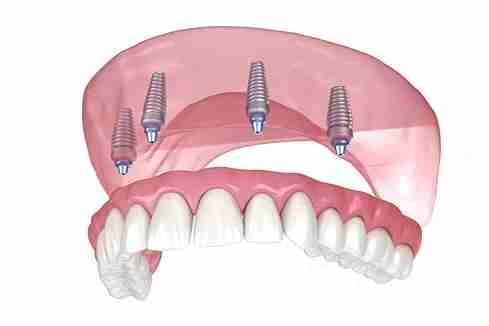
Zirconia crowns are often recommended for patients who grind their teeth or require crowns as part of implant supported restorations, including Dental Implant London procedures.
Metal Crowns: Function Over Appearance
Metal crowns, typically made from gold alloys or base metals, prioritise durability over aesthetics. Although less commonly used today, they still have specific clinical advantages.
Why metal crowns may be chosen:
- Exceptional strength and wear resistance
- Minimal tooth removal required
- Long lifespan
Their metallic appearance makes them less suitable for visible areas, but they remain effective for back teeth, where function is the main concern.
Same Day and Temporary Crowns
Advancements in dental technology have introduced same day crowns, created using digital scanning and milling. These allow patients to receive a permanent crown in a single visit. Temporary crowns, on the other hand, are short term solutions used while a custom crown is being fabricated.
Comparison overview:

Same day crowns offer convenience, while temporary crowns ensure protection during treatment phases.
The Crown Placement Process
Receiving a dental crown typically involves several steps to ensure accuracy and comfort.
The process usually includes:
- Initial examination and preparation
- Shaping the tooth and taking impressions
- Placement of a temporary crown
- Final fitting and secure cementation
For patients considering Tooth Crown London treatments, understanding the process helps reduce anxiety and ensures realistic expectations.
Caring for Your Dental Crown
Proper care is essential to maximise the lifespan of a dental crown. While crowns cannot decay, the underlying tooth and surrounding gums still require attention.
Daily care tips:
- Brush twice daily and floss regularly
- Avoid biting hard objects like ice
- Wear a night guard if recommended
- Attend routine dental check ups
With good oral hygiene, most crowns can last 10–15 years or longer, maintaining both function and appearance.

Choosing the Right Crown for You
Selecting the right dental crown is a shared decision that combines clinical expertise with patient preferences. It requires careful consideration of how the crown will function, look, and perform over time. A personalised treatment plan ensures the restored tooth blends naturally with your smile while supporting long term oral health.
Key factors involved in crown selection include:
- Aesthetic requirements, especially for visible teeth
- Strength and durability based on bite pressure
- Cost and long term value
- Lifestyle habits such as grinding or chewing patterns
Patients choosing tooth crown London treatments benefit most when these factors are aligned with their individual needs and daily routines.
Conclusion
Dental crowns are a reliable and versatile solution for restoring damaged teeth and enhancing confidence in your smile. With a range of materials available, from highly aesthetic porcelain to ultra-strong zirconia, there is a crown option suited to every clinical need. By understanding these choices and following professional advice, patients can achieve durable, natural-looking results. Clinics such as Smilo Dental Implant London continue to support patients with personalised care, helping them protect their oral health while enjoying a confident, functional smile for years to come.