
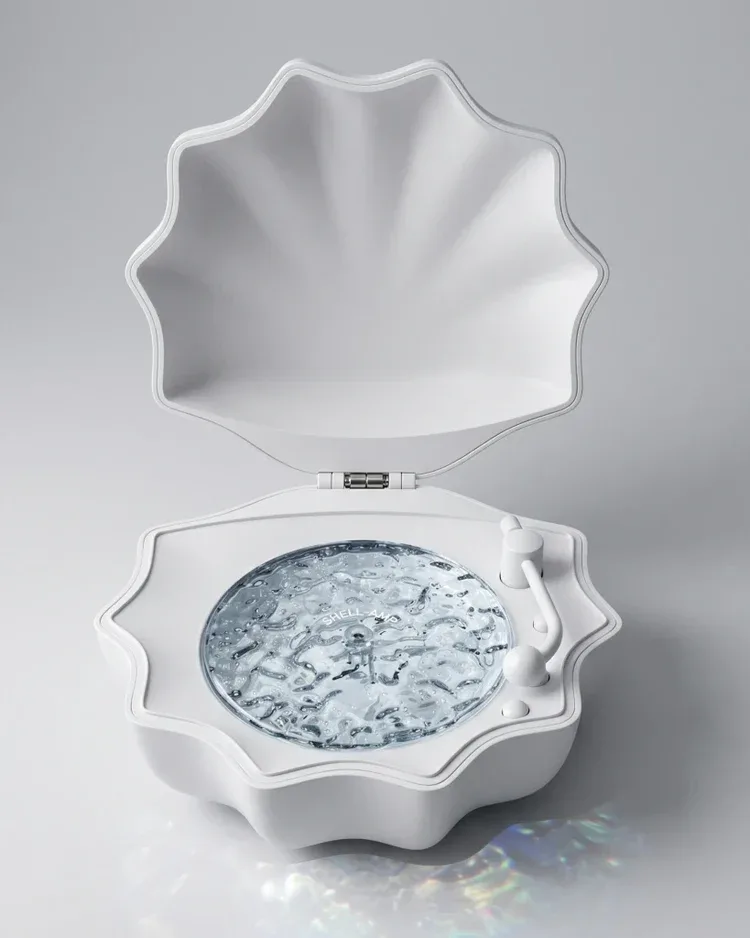
For many parents, bedtime can feel like the hardest part of the day. The stalling, the "just five more minutes," the reluctance to leave behind toys and stories for a dark, quiet room, it's a familiar struggle. But what if bedtime didn't feel like an ending but the start of something exciting? A star projector can turn the transition to sleep into a small nightly adventure, one that children genuinely look forward to rather than resist.
By combining playful lighting with a calm, consistent routine, parents can reshape how their child experiences the run-up to sleep. Here's how a star projector fits into that picture and how to build a bedtime routine kids will actually enjoy.
Why Bedtime Resistance Happens in the First Place
Before looking at solutions, it helps to understand why bedtime is often such a battleground. For young children, sleep can feel like separation from parents, from play, from the world of stimulation they've been absorbed in all day. A sudden switch from bright lights and activity to a dark, silent room can feel abrupt and even a little unsettling.
This is where a gradual, engaging wind-down process makes such a difference. Instead of flipping a switch from "on" to "off," a good routine eases a child from active play into a calmer state, step by step.
The Power of Ritual for Young Minds
Children thrive on predictability. Repeated rituals help the brain recognize patterns, and patterns create a sense of safety. When a specific sequence of events reliably leads to sleep, the same lighting, the same activities, and the same order, the body begins to respond accordingly, often making it easier to relax and drift off.
How a Star Projector Fits Into the Routine
A night lamp star projector offers something a standard nightlight can't: a sense of wonder. Instead of a static glow, a star projector fills the ceiling and walls with slowly moving patterns of light, transforming an ordinary bedroom into a quiet, starry world. For many children, this shift in atmosphere makes the idea of "going to bed" feel less like a chore and more like stepping into a cozy nighttime scene.
Turning Light Into a Story
One simple way to make the most of a star projector is to weave it into storytelling. Parents can turn on the projector and encourage their child to spot shapes in the light, imagine constellations, or picture themselves floating among the stars. This kind of gentle, imaginative play helps shift a child's focus away from resistance and toward relaxation, all while keeping the lighting soft enough to avoid overstimulation.
A Consistent Cue for Sleep
Beyond the fun factor, using the same star projector every night creates a strong visual cue. Over time, children begin to associate the appearance of soft, moving stars with the idea that it's time to settle down. This consistency reduces the need for repeated reminders or negotiations, as the environment itself starts doing part of the work.
Building a Full Wind-Down Routine
A star projector works best as part of a broader routine rather than a stand-alone fix. Combining it with other calming elements creates a more complete sleep environment.
Step-by-Step Bedtime Flow
- Dim the main lights: About 20–30 minutes before bed, switch off bright overhead lighting to begin signaling the shift toward rest.
- Turn on the star projector: Let the soft, moving light set the mood while your child changes into pajamas or brushes their teeth.
- Add a gentle weight: Settling into bed with a kids weighted blanket can help ease restlessness, offering a comforting, evenly distributed pressure that many children find soothing as they lie down.
- Share a short story or quiet Chat: A few minutes of calm conversation or a favorite book helps close out the day on a peaceful note.
- Lights out, projector on: Leave the star projector running as your child drifts off, giving them something gentle to focus on instead of the dark.
Keeping the Routine Sustainable
The key to any bedtime routine is consistency, not complexity. Parents don't need to add more and more elements each night — a simple, repeatable sequence works far better than an elaborate one that's hard to maintain. Once a star projector becomes a regular part of the routine, it often becomes something children ask for themselves, turning a once-difficult transition into something they anticipate.
Combining Light and Comfort for Better Sleep
Lighting is only one piece of a calming bedroom. Comfort plays an equally important role, and this is where thoughtful bedding choices come in. Weighted blankets, in particular, have become popular among parents looking for gentle ways to help children settle, especially those who feel restless or overstimulated in the lead-up to sleep. Paired with the soft, ambient glow of a star projector, a well-chosen blanket rounds out a sleep environment built around both comfort and calm.
Together, these elements create a bedroom that feels less like a place children are sent to and more like a space they want to be in.
Final Thoughts
Bedtime doesn't have to be a nightly struggle. With a bit of imagination and consistency, it can become something children genuinely look forward to. A star projector adds a sense of wonder to the wind-down process, while a supportive routine including comforting elements like a weighted blanket helps the whole experience feel calm rather than rushed.