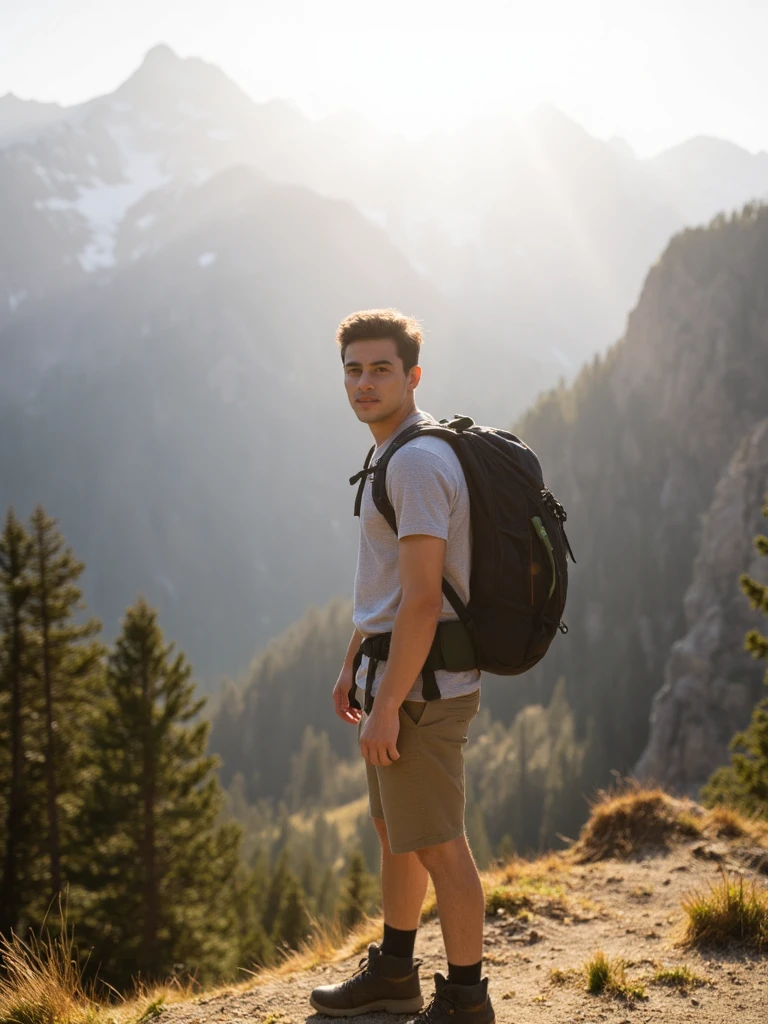
If you are someone who loves quiet trails, warm-hearted people, and raw, untouched landscapes, then the Tsum Valley Trek might be just what you’re looking for. I had heard about this place through a trekking friend, and the name stuck with me. Tsum Valley isn’t like the more popular treks in Nepal. It’s quiet, peaceful, and full of surprises that make the long walk more than worth it.
Where Is Tsum Valley?
Tsum Valley lies in the northern part of the Gorkha district, close to the Tibetan border. It’s actually a part of the larger Manaslu Conservation Area. But Tsum has its own charm. The valley was closed to outsiders until 2008, which means its culture, nature, and way of life are still very traditional. It honestly feels like you’re walking back in time.
How to Get There
The trek usually starts from a place called Machha Khola. Getting there takes about 7 to 8 hours by jeep from Kathmandu. The roads can be rough at times, but the adventure really begins from the moment you hit the trail.
From Machha Khola, you follow the same route as the Manaslu Circuit for a few days before turning off into Tsum Valley. The whole trek takes around 15 to 18 days, depending on your pace and how much time you want to spend exploring.
What Makes Tsum Valley Special?
This is not just another mountain trek. Tsum Valley has a very strong Tibetan influence. The people here are mainly of Tibetan origin, and they speak their own dialect, wear traditional clothes, and live a lifestyle that hasn’t changed much in generations.
You’ll pass through small villages like Chumling, Chhokang Paro, and Nile, each with its own personality. What really stands out is the kindness of the people. They’ll greet you with a smile and a warm “Tashi Delek” (a local greeting), even if you’re just passing through.
The Landscape
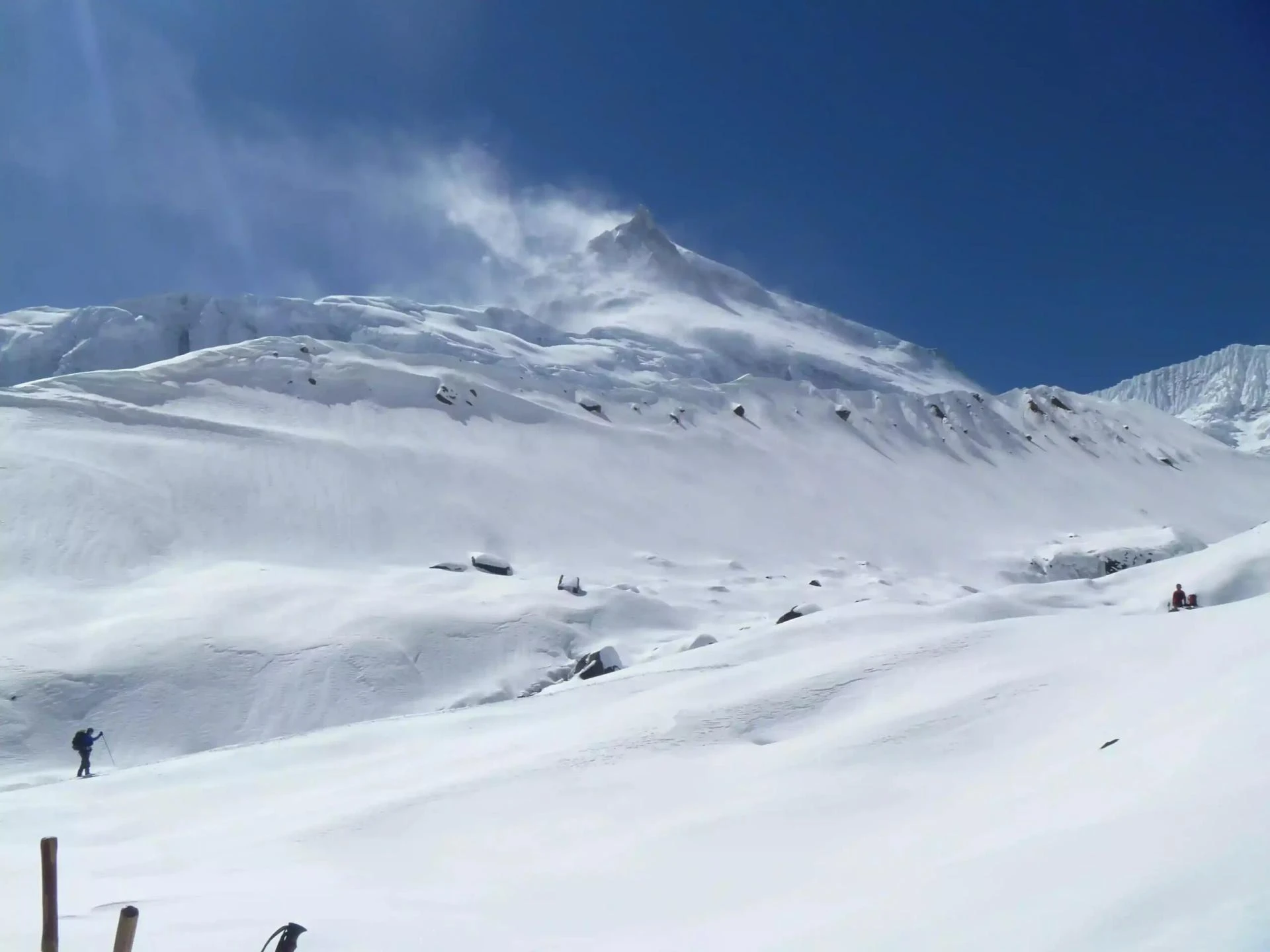
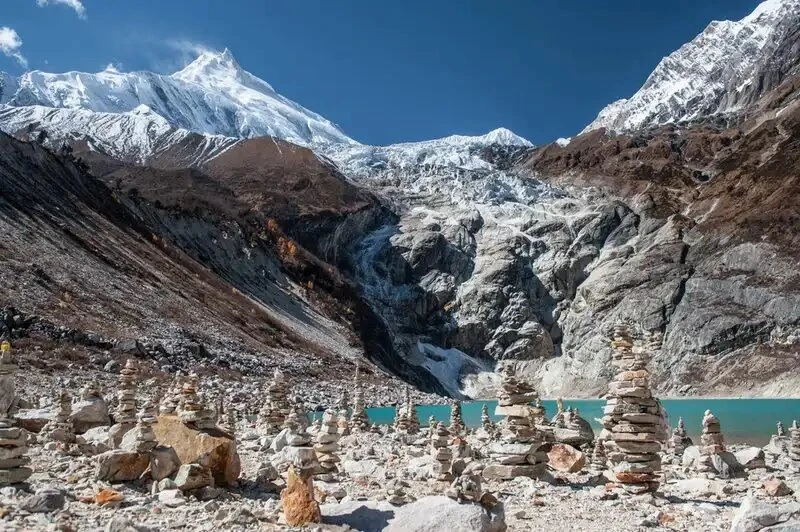
The landscapes on the Tsum Valley Trek are incredibly varied. You start off in low, green hills with rice fields and waterfalls, and slowly move into higher, colder areas with dry hills, big cliffs, and snow-covered peaks in the distance.
The trail itself follows the Siyar Khola River for much of the journey, with long suspension bridges, narrow paths, and views that change with every turn. One of the most unforgettable sights is the view of Ganesh Himal, which you can see clearly from several points on the trail.
Monasteries and Culture
One of my favorite parts of the trek was visiting the ancient monasteries. These are not just tourist spots they’re a living part of the local community. Mu Gompa and Rachen Gompa are two of the biggest and most important ones in the valley.
At Mu Gompa, which sits high up at around 3,700 meters, you can stay overnight if you want to experience the quiet life of the monks. It's simple, peaceful, and feels far away from the noise of the modern world.
Food and Accommodation
Don’t expect luxury here, but that’s part of the charm. Teahouses are basic but comfortable. You’ll get a bed, warm blankets, and most places have hot food and tea. Dal Bhat (rice, lentils, and vegetables) is the main dish, but you’ll also find Tibetan bread, momos (dumplings), and some noodles on the menu.
Because Tsum Valley is still quite remote, everything is more expensive compared to other trekking areas. Most of the food and supplies have to be carried in by mules or porters.
A Few Things to Keep in Mind
- Permit Required: You need a special restricted area permit for Tsum Valley, along with the Manaslu Conservation Area Permit (MCAP). You must trek with at least one other person and be accompanied by a licensed guide.
- Best Time to Go: Spring (March to May) and autumn (September to November) are the best seasons. The weather is clear, and the views are at their best.
- Physical Fitness: It’s a moderate to challenging trek. You don’t have to be super fit, but some training and preparation will definitely help.
Final Thoughts
The Tsum Valley Trek isn’t for everyone. It’s remote, it’s less developed, and it requires a bit more patience. But if you’re looking for something real and raw, this place offers exactly that. It’s a beautiful break from the crowded trails and commercial trekking routes. For me, it was a reminder of why I fell in love with trekking in the first place.
If you ever get the chance to do this trek, take it. Slow down, talk to the people, breathe in the fresh mountain air, and just enjoy the simplicity of it all. That’s where the magic of Tsum truly lies.