When most people hear the words root canal, they instantly think of pain. For years, this procedure has carried a reputation that makes patients feel nervous before even sitting in the chair. But here’s the truth—root canals today are nothing like the horror stories you might have heard.
Modern dentistry has advanced so much that this treatment is usually no more uncomfortable than getting a regular filling. Still, fear is real. So, let’s break it down. We’ll talk about what really happens, what you can expect, and why this procedure might not be as scary as it sounds.
Why Root Canals Are Needed
A root canal is done when the soft tissue inside your tooth, called the pulp, becomes infected or badly damaged. This pulp has nerves and blood vessels, which is why the pain can feel intense when something goes wrong.
Causes usually include deep cavities, cracks in the tooth, or trauma. If left untreated, the infection can spread, creating even bigger problems like abscesses. In short, a root canal isn’t just about saving your tooth—it’s about protecting your overall health.
So, Does It Really Hurt?
Let’s tackle the big question head-on. Many people ask, does root canal hurt? The answer is: not the way you think. Thanks to local anesthesia, the actual procedure is generally painless. Dentists numb the area completely before starting, so you shouldn’t feel sharp pain while it’s happening.
Of course, you might feel pressure or some mild sensitivity afterward. But that discomfort is usually manageable with over-the-counter medication. For most people, the worst pain actually comes before the root canal, when the infection in the tooth is raging. Once treated, the relief is often immediate.
Breaking the Myth
The reason so many people still wonder can a dentist do a root canal is because older generations had different experiences. Decades ago, dental tools and anesthetics weren’t as advanced. Back then, root canals could be uncomfortable.
Today, however, the procedure has improved dramatically. Dentists now use precise imaging, better tools, and stronger numbing agents. That means your comfort is a top priority, and the horror stories you’ve heard are mostly outdated.
What Happens During the Procedure
If you’re curious about what actually goes on, here’s a simplified version of the process:
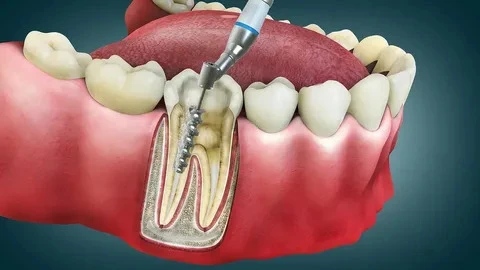
First, the dentist numbs your tooth and surrounding gums. Then, they create a small opening in the top of the tooth to access the pulp. Using very fine instruments, they clean out the infected or damaged tissue.
Once the area is disinfected, the canal is filled with a special material to keep bacteria out. Finally, the tooth is sealed, and in many cases, a crown is placed later to restore strength and appearance.
The whole thing usually takes about one to two hours, depending on the tooth and level of damage.
What About Aftercare?
After the procedure, it’s common to feel some soreness. That’s normal because the area around the tooth is still healing. Most people return to work the same day or the next. Dentists often recommend avoiding very hard foods until the tooth fully recovers.
Pain relief is usually as simple as ibuprofen or acetaminophen. If the soreness feels stronger, your dentist might prescribe something more. The good news is the discomfort is temporary, and it’s a sign your tooth is healing.
Why It’s Better Than the Alternative
Some people think about skipping the procedure altogether. But here’s the problem—if you ignore an infected tooth, the infection won’t just vanish. It can spread to your gums, jawbone, or even other parts of the body in rare cases.
The only alternative to a root canal is pulling the tooth. While that sounds easier, losing a tooth creates new issues. You might need an implant, bridge, or partial denture later. Those treatments can be more expensive and take longer to heal.
So, saving your natural tooth is almost always the better option.
Tips to Make the Experience Easier
If you’re still nervous, here are some things that might help:
- Talk to your dentist – Ask questions. Understanding what’s happening reduces fear.
- Use relaxation techniques – Breathing exercises or listening to music can make you feel calmer.
- Consider sedation options – Some dentists offer sedation for extra comfort if anxiety is high.
- Plan your recovery – Have soft foods ready at home, so you don’t stress about what to eat.
The more prepared you are, the less overwhelming the experience feels.
What Patients Usually Say Afterward
Interestingly, many people walk out of the dental office saying something like, “That wasn’t nearly as bad as I expected.” In fact, relief is often the main feeling, because the toothache that pushed them to seek help is finally gone.
Root canals give you back the ability to chew, smile, and live without the constant throbbing pain. Most patients feel thankful they went through with it.
Final Thoughts
Root canals may have a scary reputation, but modern dentistry has made them straightforward and relatively painless. If you’ve been wondering, does root canal hurt or even asking yourself do a root canal hurt, now you know the truth.
With today’s techniques and proper aftercare, the procedure is designed to save your tooth while keeping you as comfortable as possible. The temporary discomfort is nothing compared to the long-term relief and protection you’ll gain.
So, instead of dreading the idea, think of a root canal as a positive step—one that takes away pain, saves your natural tooth, and protects your overall health.