
Business owners in Chubbuck, Idaho, can secure their facilities against extreme temperature fluctuations by hiring professional commercial insulation experts. These specialists provide high-performance thermal barriers that reduce energy consumption, protect structural integrity, and improve indoor comfort for employees and customers alike. By selecting a qualified commercial insulation company, local enterprises ensure their buildings meet modern energy codes while lowering long-term operational costs.
This guide provides a detailed look at the types of materials used in local facilities, the specific climate challenges in Southeast Idaho, and how to identify a reliable service provider. Understanding these factors helps property owners make informed decisions that protect both their bottom line and their physical assets.
The Role of Modern Insulation in Idaho Business Facilities
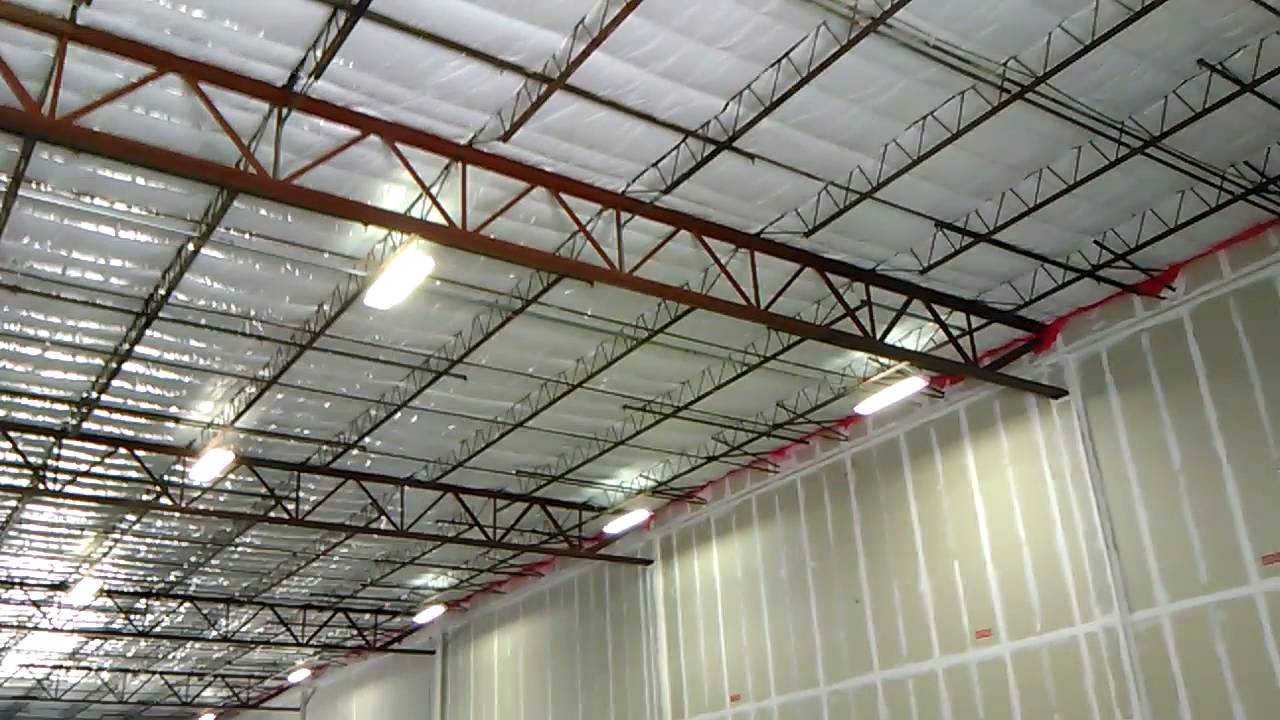
Commercial buildings in the Chubbuck area face a wide range of weather conditions, from scorching summer afternoons to sub-zero winter nights. Effective commercial insulation services address these challenges by creating a tight thermal envelope. This envelope prevents heat from escaping during the winter and blocks solar heat gain during the summer.
Different types of buildings require specific approaches. For instance, a retail space with high ceilings has different thermal needs than a refrigerated storage facility or a high-density office complex. Professional commercial insulation experts evaluate these specific needs to recommend materials like spray foam, mineral wool, or fiberglass.
Climate Specifics for Chubbuck Property Owners
Chubbuck sits in a region characterized by a semi-arid climate with significant seasonal temperature swings. These variations place heavy stress on HVAC systems, leading to increased wear and higher utility bills. To mitigate these costs, data shows that buildings with optimized thermal envelopes can see energy savings of 20% to 50% compared to those with outdated or poorly installed materials.
In Southeast Idaho, where winter winds can drive the wind chill well below zero, air sealing becomes just as important as the R-value of the material itself. Without proper protection, heating and cooling units must run constantly to maintain a stable environment.
Material Performance Comparison
Choosing the right product depends on the building's structure and the specific goals of the owner. The following table outlines common materials used by a professional insulation company.

Bonus Tip: When evaluating R-values, remember that the total effectiveness also depends on the quality of the installation. Even high-R-value materials fail if gaps or "thermal bridges" are left unaddressed.
Identifying Quality Commercial Insulation Services
Selecting the right partner for a project involves more than just looking at the lowest bid. Quality commercial insulation experts possess specific certifications and a track record of handling large-scale projects. They understand local building codes and the safety requirements for various industries, such as agriculture or food processing.
Reliable providers offer comprehensive site assessments. They don't just quote a price per square foot; they look for air leaks, moisture issues, and existing insulation failures. This thorough approach ensures the new system performs as expected for decades.
Practical Benefits of Spray Foam in Commercial Settings
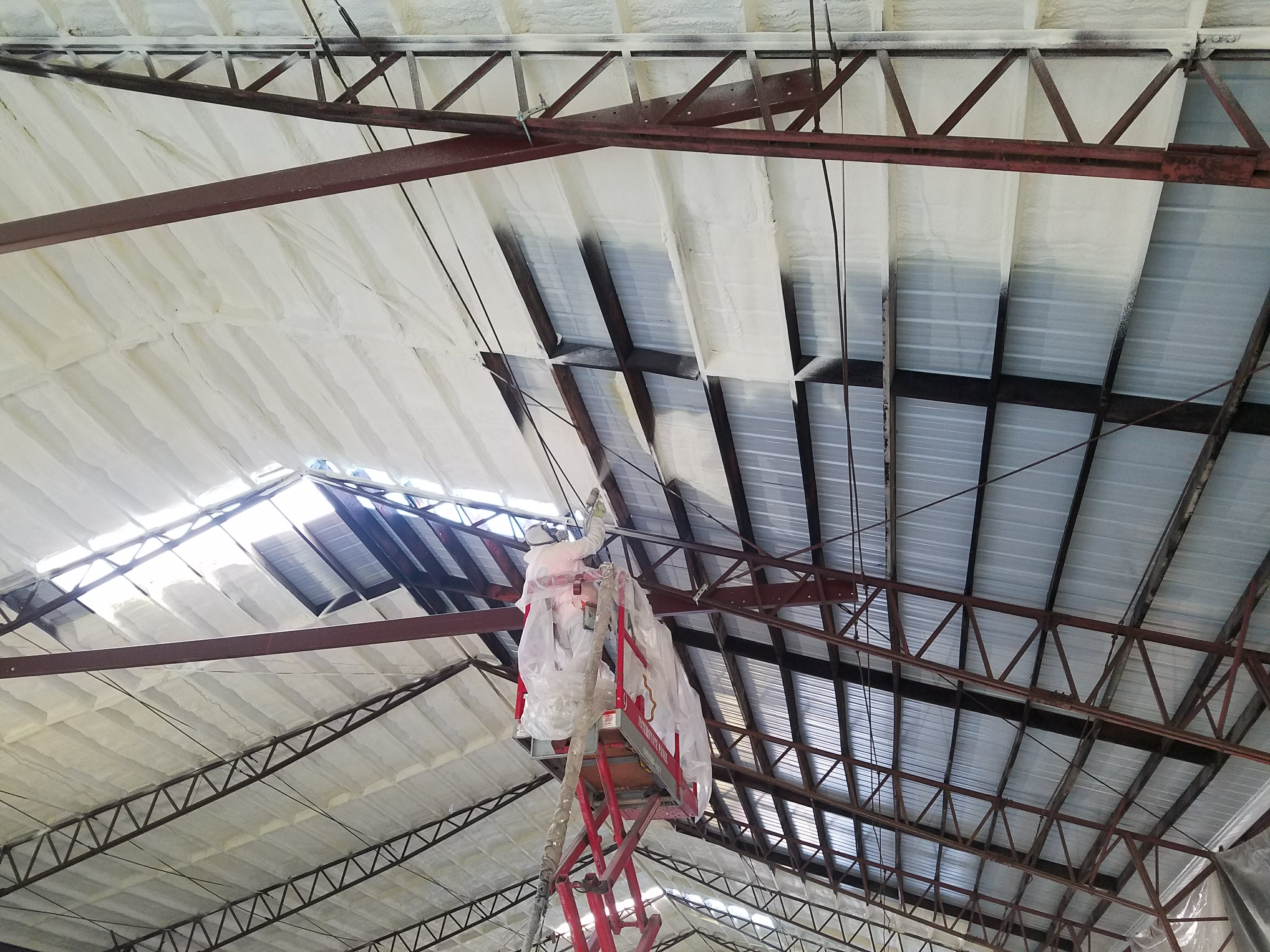
Spray foam has become a preferred choice for many Idaho businesses because it performs two tasks at once. As noted in the comparison table, it provides high thermal resistance while simultaneously acting as a superior air sealant. In steel-frame buildings common in Chubbuck, spray foam adheres directly to the substrate, preventing the condensation issues that often plague traditional fiberglass batts.
When a commercial insulation company applies closed-cell foam, they also add structural strength to the building. This material is dense and rigid, helping to reinforce walls and roofs against heavy snow loads and high winds.
Things to Consider Before Making a Decision
Before signing a contract for commercial insulation services, business owners should evaluate several factors to ensure they get the best return on their investment.
- Building Use and Occupancy: A warehouse housing temperature-sensitive electronics needs a different setup than a gym or a mechanic shop.
- Long-Term Payback: While some materials have a higher upfront cost, the energy savings over five to ten years often far outweigh the initial difference.
- Safety Requirements: Certain commercial zones require specific fire ratings or thermal barriers over foam products.
- Accessibility: Consider if the installation will require the business to close temporarily or if the commercial insulation experts can work in phases.
- Moisture Management: Idaho's snowmelt can lead to moisture infiltration. Choosing a material that resists mold and mildew is vital for long-term air quality.
Bonus Tip: Ask for a post-installation inspection. A reputable commercial insulation company will often use infrared cameras to verify that the thermal envelope is complete and free of leaks.
Addressing Structural Integrity and Air Sealing
A major concern for commercial properties in Idaho is the "stack effect," where warm air rises and escapes through the roof while pulling cold air in through the base of the building. This cycle wastes enormous amounts of energy. Professional commercial insulation services focus heavily on the top and bottom of the structure to break this cycle.
By sealing the "rim joists" and the roof deck, specialists stop the chimney effect. This not only keeps the building warmer but also prevents the entry of pests and dust, which can be a significant issue in the dusty Idaho summers.
Industrial and Agricultural Applications
Chubbuck’s proximity to agricultural hubs means many local buildings serve as cold storage or equipment housing. These structures require specialized commercial insulation experts who understand how to manage humidity. Agricultural insulation must be durable enough to withstand cleaning and the presence of livestock or heavy machinery.
Common Questions About Commercial Thermal Protection
How long does a typical commercial installation take?
The timeline depends on the building size and the material used. A mid-sized warehouse might take three to five days, while a large retail complex could take several weeks. Expert teams often work in sections to minimize the impact on daily business operations.
Does new insulation help with noise reduction between offices?
Yes, certain materials are designed specifically for acoustic control. Open-cell foam and mineral wool are excellent at absorbing sound waves, making them ideal for office buildings, medical clinics, or any space where privacy and a quiet environment are necessary.
Will the business need to shut down during the process?
In many cases, work can be scheduled during off-hours or performed in vacated sections of the building. If spray foam is used, there is a standard re-occupancy period (usually 24 hours) to allow for proper curing and off-gassing, but this varies by product.
How does insulation impact the lifespan of a roof?
By stabilizing the temperature of the roof deck, insulation reduces the expansion and contraction cycles that cause roofing materials to crack or leak. Additionally, exterior spray foam applications can provide a seamless, waterproof layer that significantly extends the life of a flat commercial roof.
Selecting a Professional Partner
Maintaining a commercial property in Chubbuck requires attention to detail and an understanding of the local environment. Investing in high-quality thermal protection is one of the most effective ways to control overhead costs and protect the physical assets of a business. When property owners work with established commercial insulation experts, they gain the peace of mind that comes with professional-grade materials and precise installation techniques.
Whether the goal is to reduce utility bills, improve employee comfort, or meet new construction codes, the right commercial insulation company provides the technical knowledge and equipment necessary for a successful project. Owners should focus on long-term durability and the specific thermal needs of their industry.
Next Steps for Idaho Property Owners
For those ready to improve their building's efficiency, reaching out to a local specialist is the best way to start. High Country Solutions offers a wide range of services tailored to the Idaho climate, including spray foam, fiberglass, and specialized coatings. They assist business owners in identifying the most cost-effective solutions for their specific structures. To discuss a project or request an evaluation, contact them at [email protected] or call (307) 248-9063. Their team provides the expertise needed to ensure every commercial facility remains energy-efficient and comfortable year-round.