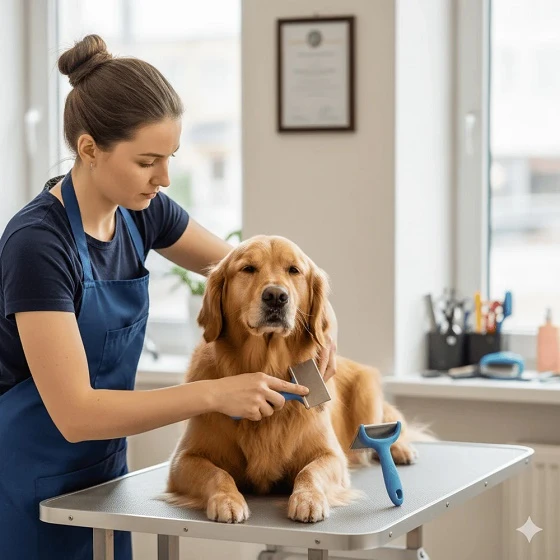
Pet grooming is more than a cosmetic routine it is an essential aspect of responsible pet care that supports comfort, hygiene, and long-term wellness. Professional grooming services help maintain healthy skin, prevent matting, identify early health concerns, and ensure pets feel their best year-round. When colder months arrive, grooming becomes even more important as pets experience seasonal coat changes, drier air, and increased time indoors.
Many pet owners turn to Winter Park Pet Grooming Experts for knowledgeable care that prioritizes safety, patience, and attention to detail. Understanding the value of expert grooming can help owners make informed choices that benefit both their pets’ physical health and emotional well-being.
Why Professional Grooming Matters
Regular grooming goes far beyond keeping a pet looking tidy. It plays a significant role in preventing common issues such as tangled fur, skin irritation, and overgrown nails. Professional groomers are trained to handle different coat types, temperaments, and grooming requirements, ensuring that each pet receives appropriate care.
Some important benefits include:
- Skin and coat health: Brushing removes dirt, debris, and loose hair while distributing natural oils that keep coats shiny and resilient.
- Early detection: Groomers often notice lumps, rashes, parasites, or inflammation that might otherwise go unnoticed.
- Improved comfort: Trimming excess fur and nails allows pets to move freely without discomfort.
- Better hygiene: Clean ears, trimmed paw fur, and sanitary grooming reduce the risk of infections.
Consistent grooming routines help pets adapt to handling, making each visit less stressful over time.
Seasonal Grooming Needs During Winter
Winter introduces unique challenges for pets. Dry air can lead to flaky skin, while longer coats may trap moisture after walks in damp conditions. Even indoor pets can experience seasonal shedding cycles that require extra maintenance.
Professionals often recommend the following winter-focused practices:
- Moisturizing treatments to combat dryness
- Gentle brushing schedules to prevent painful matting
- Paw care, especially if pets encounter cold surfaces
- Controlled trimming rather than overly short cuts that remove natural insulation
Working with Winter Park Pet Grooming Experts ensures that grooming adjustments are made thoughtfully, keeping pets comfortable without compromising their natural protection against cooler temperatures.
Understanding Different Coat Types
Not all pets require the same grooming approach. Coat texture, thickness, and growth patterns determine how often grooming should occur and what techniques are most effective.
Short coats:
These pets typically need less frequent trimming but still benefit from regular brushing to control shedding and stimulate skin health.
Double coats:
Breeds with dense undercoats require careful de-shedding rather than shaving. Removing too much fur can interfere with natural temperature regulation.
Curly or continuously growing coats:
These coats demand routine trims to prevent tangles that can pull at the skin and cause discomfort.
Silky coats:
Frequent brushing is essential to avoid knots, especially in areas prone to friction such as behind the ears or along the legs.
Knowledgeable groomers tailor their approach to suit each coat type, helping pets stay clean without unnecessary stress.
Grooming and Behavioral Confidence
For some pets, grooming can initially feel unfamiliar. Sounds from clippers, the sensation of water, or being handled in new ways may cause anxiety. Skilled professionals focus on creating calm environments where pets can gradually build confidence.
Techniques that support positive experiences include:
- Slow introductions to grooming tools
- Breaks when pets appear overwhelmed
- Gentle handling that respects boundaries
- Consistent routines that foster familiarity
Over time, many pets learn to associate grooming with comfort rather than fear. This emotional benefit is just as important as the physical outcomes.
The Role of Clean Tools and Safe Practices
Safety is foundational in professional grooming environments. Proper sanitation reduces the risk of cross-contamination and supports overall pet health.
Key practices often include:
- Disinfecting tools between appointments
- Using temperature-controlled water
- Selecting pet-safe shampoos
- Maintaining organized grooming stations
Pet owners should feel confident that hygiene standards are taken seriously, particularly for animals with sensitive skin or underlying conditions.

Nail, Ear, and Dental Awareness
While coat care often gets the most attention, other grooming elements are equally vital.
Nail trimming:
Overgrown nails can alter posture and cause joint strain. Routine trimming supports proper alignment and easier movement.
Ear care:
Cleaning removes buildup that may contribute to infections, especially for pets with floppy ears.
Dental observation:
Though grooming is not a substitute for veterinary care, groomers sometimes notice signs such as bad breath or gum irritation, encouraging owners to seek professional evaluation when necessary.
These small but significant details contribute to a pet’s overall quality of life.
Grooming Frequency Guidelines
The ideal grooming schedule varies based on breed, lifestyle, and coat condition. Active pets who spend time outdoors may need more frequent baths, while others benefit primarily from brushing and periodic trims.
General guidance suggests:
- Every 4–6 weeks for continuously growing coats
- Every 6–8 weeks for moderate maintenance needs
- Seasonal de-shedding for heavy shedders
- Monthly nail checks
Consulting Winter Park Pet Grooming Experts can help establish a routine tailored to individual needs, ensuring consistency without over-grooming.
Preparing Pets for a Grooming Visit
A little preparation can make appointments smoother for both pets and groomers.
Helpful steps include:
- Allowing pets time for a short walk beforehand
- Bringing them in with a calm demeanor
- Sharing relevant health information
- Maintaining brushing between visits
Familiar toys or blankets may also provide reassurance for pets who are new to professional grooming environments.
Supporting Grooming at Home
Professional services are most effective when paired with regular at-home care. Owners do not need advanced tools to make a difference simple habits go a long way.
Consider incorporating:
- Weekly brushing sessions
- Gentle wipe-downs after muddy outings
- Routine coat checks for tangles
- Monitoring nail length
These practices extend the benefits of professional grooming and help pets remain comfortable between appointments.
Choosing a Groomer Thoughtfully
Selecting the right grooming professional involves more than convenience. Observing how pets are handled, asking about safety practices, and ensuring clear communication can provide peace of mind.
Qualities often associated with dependable grooming services include:
- Patience with nervous pets
- Transparent processes
- Clean workspaces
- Knowledge of breed-specific care
- Willingness to answer questions
A thoughtful choice supports a positive, long-term grooming relationship.
Long-Term Wellness Through Grooming
Pet Grooming is not a luxury it is a cornerstone of preventive care. By maintaining clean coats, trimmed nails, and healthy skin, pets are better positioned to enjoy active, comfortable lives.
Establishing consistent routines with experienced professionals helps prevent small issues from escalating into larger concerns. Whether managing seasonal shedding, addressing coat changes, or simply maintaining hygiene, professional grooming contributes to a pet’s everyday happiness.
Pet owners who prioritize regular care often notice improvements not only in appearance but also in mood, mobility, and overall vitality. With attentive handling and informed techniques, grooming becomes a positive experience that supports lifelong wellness.
Barksuds Winter Park
761 S Orlando Ave, Winter Park, FL 32789
(321) 972-3269