Introduction
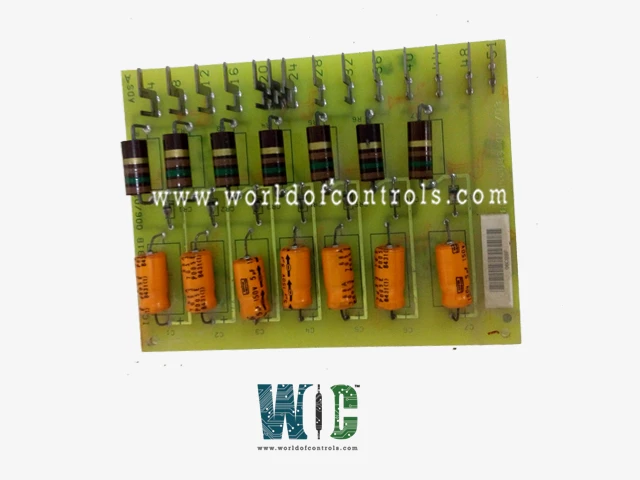
In the demanding world of turbine operation and industrial automation, every electronic component plays a vital role in ensuring safety, precision, and reliability. Among these components, the GE Fanuc Solenoid Filter Board is essential for managing and stabilizing the electrical signals that control solenoid-operated devices. When this board malfunctions, it can lead to erratic system behavior, performance degradation, or even turbine shutdowns. Understanding how to troubleshoot and replace it efficiently is key to maintaining uninterrupted operation.
The Role of Solenoid Filter Boards in Turbine Systems
In a turbine control system, solenoid valves are responsible for controlling the flow of fluids, gases, and lubricants, as well as for actuating mechanical components like fuel regulators and safety shutoff mechanisms. These solenoids require clean, stable electrical power to function accurately.
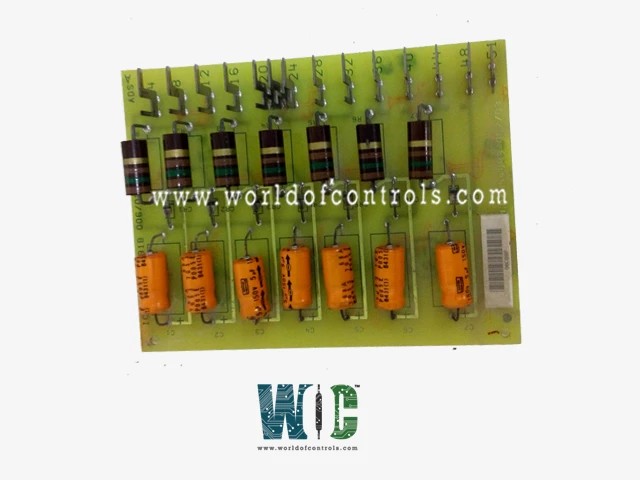
The solenoid filter board acts as a protective intermediary between the turbine’s control circuitry and its solenoid valves. Its primary role is to filter out electrical noise, suppress voltage spikes, and ensure consistent current delivery to each solenoid channel. This helps prevent malfunctions caused by interference or irregular voltage patterns, ensuring that actuators and valves respond exactly as the control system commands.
Without a functioning solenoid filter board, solenoid signals may become erratic, resulting in unstable valve movement, system alarms, or operational inefficiency—all of which can compromise turbine performance.
Common Issues with Solenoid Filter Boards
Although GE Fanuc designed these boards for reliability, years of service in high-temperature and high-vibration turbine environments can lead to electrical and mechanical wear. Some common failure symptoms include:
- Electrical Noise and Interference:
- Deteriorated filter components allow unwanted electrical signals to pass through, leading to unreliable solenoid operation.
- Component Degradation:
- Over time, capacitors and resistors may fail due to thermal stress, causing weak or inconsistent voltage output.
- Intermittent Solenoid Activation:
- Faulty filtering can cause solenoids to operate inconsistently—engaging or releasing unpredictably.
- System Faults or Alarms:
- The turbine control system may detect abnormal current flow or voltage drops, generating fault codes linked to the solenoid channels.
- Total Circuit Failure:
- In severe cases, the board may stop delivering power altogether, leading to solenoids that fail to engage, disrupting turbine safety and performance.
Troubleshooting Procedures
Effective troubleshooting can help isolate whether the issue lies with the solenoid filter board or another component in the control loop. Here’s a structured approach:
- Perform a Visual Inspection:
- Look for visible damage such as burnt components, loose connections, or cracked solder joints.
- Test Electrical Continuity:
- Use a multimeter to verify voltage levels at the board’s input and output points. Compare readings to system specifications.
- Isolate the Fault:
- Temporarily swap the suspect board with a known working one, if available. If the issue resolves, the original board is likely defective.
- Check the Connected Solenoids:
- Faulty solenoid coils can create misleading symptoms. Test coil resistance to confirm that the problem isn’t downstream.
- Review System Diagnostics:
- Many turbine control systems record detailed fault codes. Reviewing these logs can help pinpoint which circuit or channel is affected.
Replacing the GE Fanuc Solenoid Filter Board
If diagnostics confirm a board failure, replacement is usually the best course of action. These boards are modular, making removal and installation straightforward—but safety procedures must always be followed.
Typical replacement steps include:
- Power down the turbine control panel and ensure all circuits are isolated.
- Label and disconnect all wiring harnesses connected to the board.
- Remove mounting screws or brackets securing the board in place.
- Install the replacement board, ensuring proper orientation and secure connections.
- Power up the system and perform functional tests to verify solenoid response.
Modern refurbished and new replacement boards are available from industrial parts suppliers, ensuring continued support for both legacy and current GE Fanuc turbine control systems.
Conclusion
The GE Fanuc Solenoid Filter Board is a small yet crucial element of turbine control systems. By maintaining clean and stable power for solenoid-driven components, it supports accurate valve actuation, smooth turbine operation, and system safety. Regular monitoring, timely troubleshooting, and prompt replacement when faults arise can significantly reduce downtime and extend the life of the turbine control system. In an industry where precision is everything, maintaining these critical boards ensures consistent performance and long-term reliability.