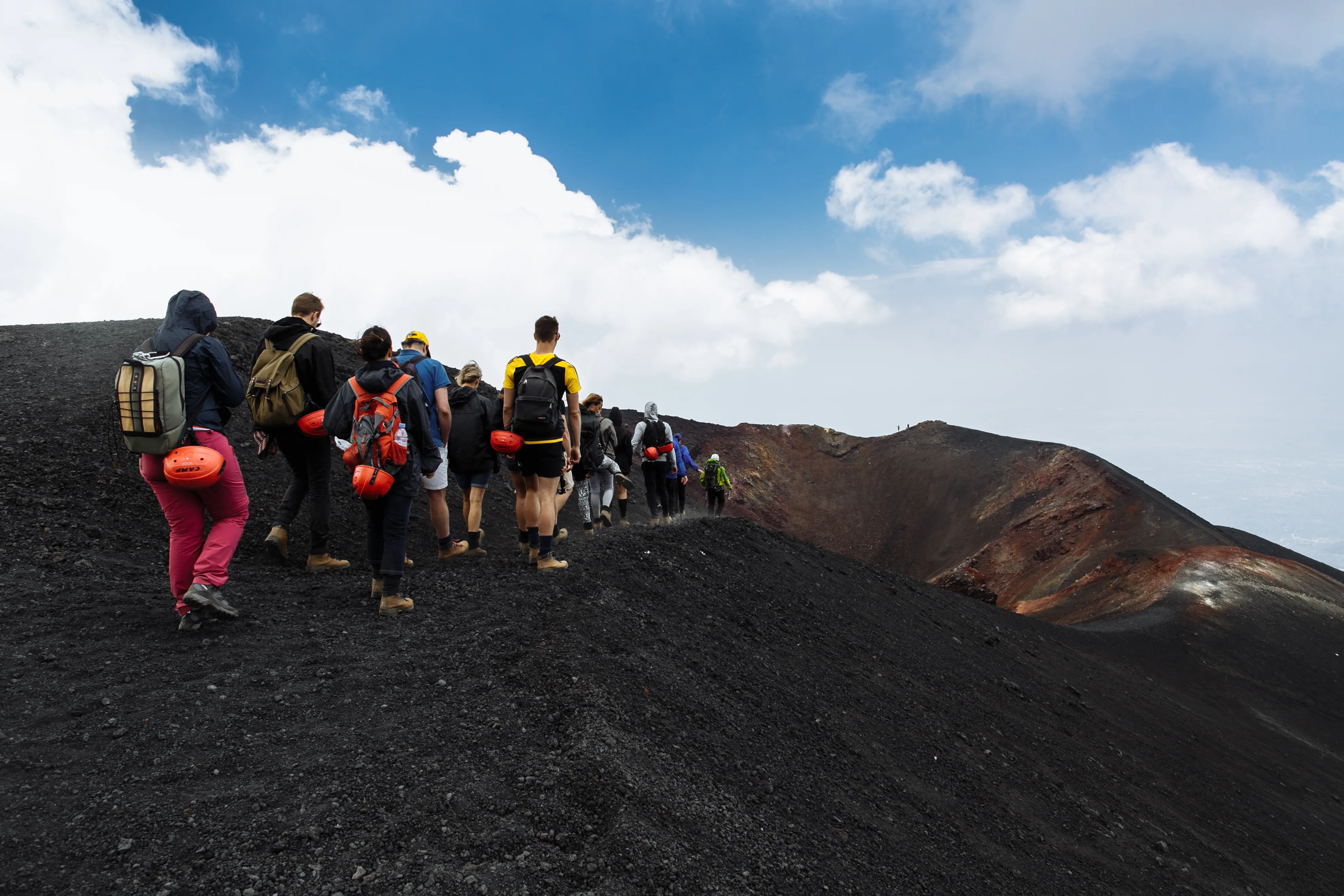
Rising proudly above the plains of Mount Kilimanjaro in Tanzania, these iconic peak draws thousands of climbers each year who dream of standing on Africa’s highest point. For those taking their first steps into high-altitude trekking or seasoned adventurers seeking a rewarding ascent, choosing the right Trekking Kilimanjaro tour package plays a crucial role in shaping the entire experience.
At Ice Rock Trekking, the focus lies on delivering structured, safe, and deeply immersive trekking experiences tailored to individual capabilities. Whether the goal is a personal milestone, professional exploration, or a once-in-a-lifetime expedition, preparation and the right support system make all the difference.
Why Kilimanjaro Appeals to First-Time Climbers
Unlike many high-altitude peaks that demand technical climbing skills, Kilimanjaro offers a non-technical ascent. This means no ropes, no ice axes for most routes, and no prior mountaineering experience required. What it does demand, however, is physical endurance, mental strength, and proper acclimatization.
The mountain’s unique ecological zones—from lush rainforest to alpine desert and icy summit—create a constantly changing landscape that keeps trekkers engaged throughout the journey.
For first-time climbers, this balance of accessibility and challenge makes Kilimanjaro an ideal starting point in high-altitude trekking.
What Defines a Trekking Kilimanjaro Tour Package
A well-structured Trekking Kilimanjaro tour package is far more than just a permit to climb. It is a complete logistical framework that ensures safety, comfort, and success on the mountain.
Core Inclusions
- Airport transfers and accommodation before and after the trek
- Park fees and permits
- Professional guides and support crew
- Meals during the trek
- Camping or hut accommodation depending on the route
- Safety equipment including oxygen cylinders and first aid kits
Additional Elements
- Personalized acclimatization schedules
- Gear rental options
- Pre-trek consultation and training advice
- Emergency evacuation support
Ice Rock Trekking emphasizes ethical trekking practices, ensuring fair wages for porters and environmentally responsible operations.
Popular Routes for First-Time Trekkers
Each route on Kilimanjaro offers a distinct experience. Choosing the right one significantly impacts both enjoyment and summit success.
Marangu Route – The Classic Path
Often referred to as the “Coca-Cola Route,” this trail provides hut accommodations instead of tents. It is considered one of the easier options in terms of terrain but has a lower success rate due to shorter acclimatization time.
Best for:
- Those seeking basic comfort
- Trekkers with limited time
Machame Route – Scenic and Balanced
Known as the “Whiskey Route,” Machame offers stunning views and better acclimatization due to its longer duration.
Best for:
- First-time climbers aiming for higher success rates
- Adventure seekers who enjoy varied landscapes
Lemosho Route – Gradual and Rewarding
Starting from the western side, this route provides a longer, more gradual ascent, making it ideal for acclimatization.
Best for:
- Beginners willing to invest extra days
- Trekkers prioritizing success and scenic beauty
Rongai Route – Remote and Quiet
Approaching from the north near the Kenyan border, this route is less crowded and offers a unique perspective of the mountain.
Best for:
- Those seeking solitude
- Climbers traveling during rainy seasons
Ideal Duration for Success
While shorter treks may seem appealing, they often reduce the chances of reaching the summit. A well-planned Trekking Kilimanjaro tour package typically spans:
- 6–7 days: Moderate success rate
- 7–9 days: High success rate with proper acclimatization
Ice Rock Trekking strongly recommends longer itineraries for first-time climbers to allow the body to adapt gradually to altitude changes.
Physical Preparation: Building the Right Foundation
Climbing Kilimanjaro is more about endurance than speed. Preparing the body in advance significantly enhances the overall experience.
Training Focus Areas
- Cardiovascular endurance (walking, running, cycling)
- Leg strength (squats, lunges, stair climbing)
- Hiking practice with a loaded backpack
Suggested Routine
- Start training at least 8–10 weeks prior
- Include long walks or hikes on weekends
- Practice trekking at varied elevations if possible
Consistency matters more than intensity. The goal is to build stamina rather than peak athletic performance.
Altitude and Acclimatization
Altitude sickness remains one of the biggest challenges on Kilimanjaro. As climbers ascend beyond 2,500 meters, oxygen levels decrease, affecting the body’s ability to function normally.
Common Symptoms
- Headache
- Nausea
- Fatigue
- Dizziness
Prevention Strategies
- Follow the “climb high, sleep low” principle
- Stay hydrated
- Maintain a slow, steady pace
- Choose longer routes for better acclimatization
Professional guides from Ice Rock Trekking monitor trekkers closely and make informed decisions to ensure safety at every stage.
Packing Essentials for Kilimanjaro
Packing correctly can significantly impact comfort and performance during the climb.
Clothing
- Moisture-wicking base layers
- Insulated jackets
- Waterproof outer shell
- Thermal gloves and hats
Footwear
- Well-broken-in trekking boots
- Warm socks (multiple pairs)
Accessories
- Headlamp with extra batteries
- Trekking poles
- Sunglasses with UV protection
- Reusable water bottles or hydration system
Layering is key, as temperatures vary drastically from tropical warmth to sub-zero conditions at the summit.
Food and Nutrition on the Mountain
A balanced diet plays a vital role in maintaining energy levels during the trek. Most Trekking Kilimanjaro tour package options include freshly prepared meals by experienced cooks.
Typical Menu
- Breakfast: Porridge, eggs, fruits, tea or coffee
- Lunch: Light meals such as sandwiches or hot dishes
- Dinner: Soups, rice, pasta, vegetables, and protein
Hydration is equally important. Trekkers are encouraged to drink at least 3–4 liters of water daily.
Safety Measures and Support System
Climbing Kilimanjaro involves inherent risks, but a strong support system minimizes them significantly.
Key Safety Features
- Certified mountain guides
- Daily health checks
- Emergency oxygen supply
- Satellite communication devices
Ice Rock Trekking maintains strict safety protocols, ensuring every climber receives professional care throughout the journey.
Cost Factors of a Trekking Kilimanjaro Tour Package
Pricing varies depending on several factors, including route, duration, and level of service.
Average Cost Range
- Budget packages: $1,500 – $2,000
- Mid-range packages: $2,000 – $3,500
- Premium packages: $3,500+
What Influences Cost
- Number of trekking days
- Group size
- Quality of equipment and services
- Inclusion of luxury elements
Investing in a reputable operator often leads to a safer and more enjoyable experience.
Best Time to Climb Kilimanjaro
Weather conditions significantly influence the trekking experience.
Peak Seasons
- January to March: Cooler and quieter
- June to October: Dry and popular
Considerations
- Clear skies improve visibility
- Dry trails enhance safety
- Crowds increase during peak months
Selecting the right season ensures better conditions and higher summit success rates.
Mental Preparation: The Hidden Factor
Physical readiness alone is not enough. Mental resilience plays a critical role in reaching the summit.
Challenges to Expect
- Long trekking hours
- Changing weather conditions
- Fatigue and altitude effects
Building Mental Strength
- Set realistic expectations
- Break the journey into smaller goals
- Stay positive and focused
Summit night, often the toughest phase, demands determination and a strong mindset.
Sustainable and Responsible Trekking
Preserving the natural beauty of Kilimanjaro is a shared responsibility.
Responsible Practices
- Avoid single-use plastics
- Respect local communities
- Follow Leave No Trace principles
Ice Rock Trekking actively supports sustainable tourism, ensuring minimal environmental impact while contributing to local livelihoods.
Why Choose Ice Rock Trekking
Selecting the right operator can define the success of your Kilimanjaro experience.
What Sets Ice Rock Trekking Apart
- Experienced and certified guides
- Customized itineraries
- Strong focus on safety and acclimatization
- Ethical treatment of porters
- High success rates
Every Trekking Kilimanjaro tour package is designed with precision, ensuring climbers receive expert guidance from start to finish.
Final Thoughts
Climbing Mount Kilimanjaro is more than just a physical challenge—it is a deeply transformative experience. From the first step in the rainforest to the final push toward Uhuru Peak, every moment carries a sense of purpose and achievement.
For first-time climbers and seasoned adventurers alike, the right Trekking Kilimanjaro tour package provides the foundation for a safe, memorable, and successful ascent. With expert support from Ice Rock Trekking, the journey becomes not only achievable but truly rewarding.