Choosing the right treadmill is more than a matter of convenience—it is an investment in health and lifestyle. For both home users and gym owners, understanding the cost factors, features, and long-term value of treadmills can guide a more informed decision. While price is a significant consideration, the functionality, durability, and usability often matter more in the long run.
The market offers a wide range of options, from compact home units to professional-grade commercial treadmills. Each type carries its own pricing considerations, and the variation often reflects differences in motor power, build quality, and technological features. This guide aims to break down the elements that influence treadmill costs and help readers navigate the options rationally.
Factors That Affect Treadmill Price
Treadmill price is determined by a combination of technical specifications, material quality, and intended usage. Understanding these factors helps buyers assess whether a particular model meets both needs and budget.
Motor and Performance
One of the primary determinants of cost is the motor. Treadmills designed for home use typically have motors ranging from 1.5 to 3.0 horsepower (HP), while commercial models may reach 4.0 HP or higher. Stronger motors provide smoother operation, higher speed capacities, and longer lifespans. Naturally, treadmills with more powerful motors tend to command higher prices.
Build Quality and Materials
Durability is another key driver of price. Treadmills with steel frames, high-quality belts, and shock-absorbing decks usually cost more but can withstand prolonged and frequent use. Conversely, lightweight or foldable models for home use may be cheaper but could wear out faster under heavy usage.
Features and Technology
Modern treadmills vary widely in features, from basic digital displays to touchscreens with internet connectivity, integrated workout programs, heart-rate monitoring, and incline automation. Each added feature increases the production cost, and consequently, the retail price. While some users value these extras, others may prioritize simplicity and longevity, affecting how much they are willing to invest.
Size and Space Considerations
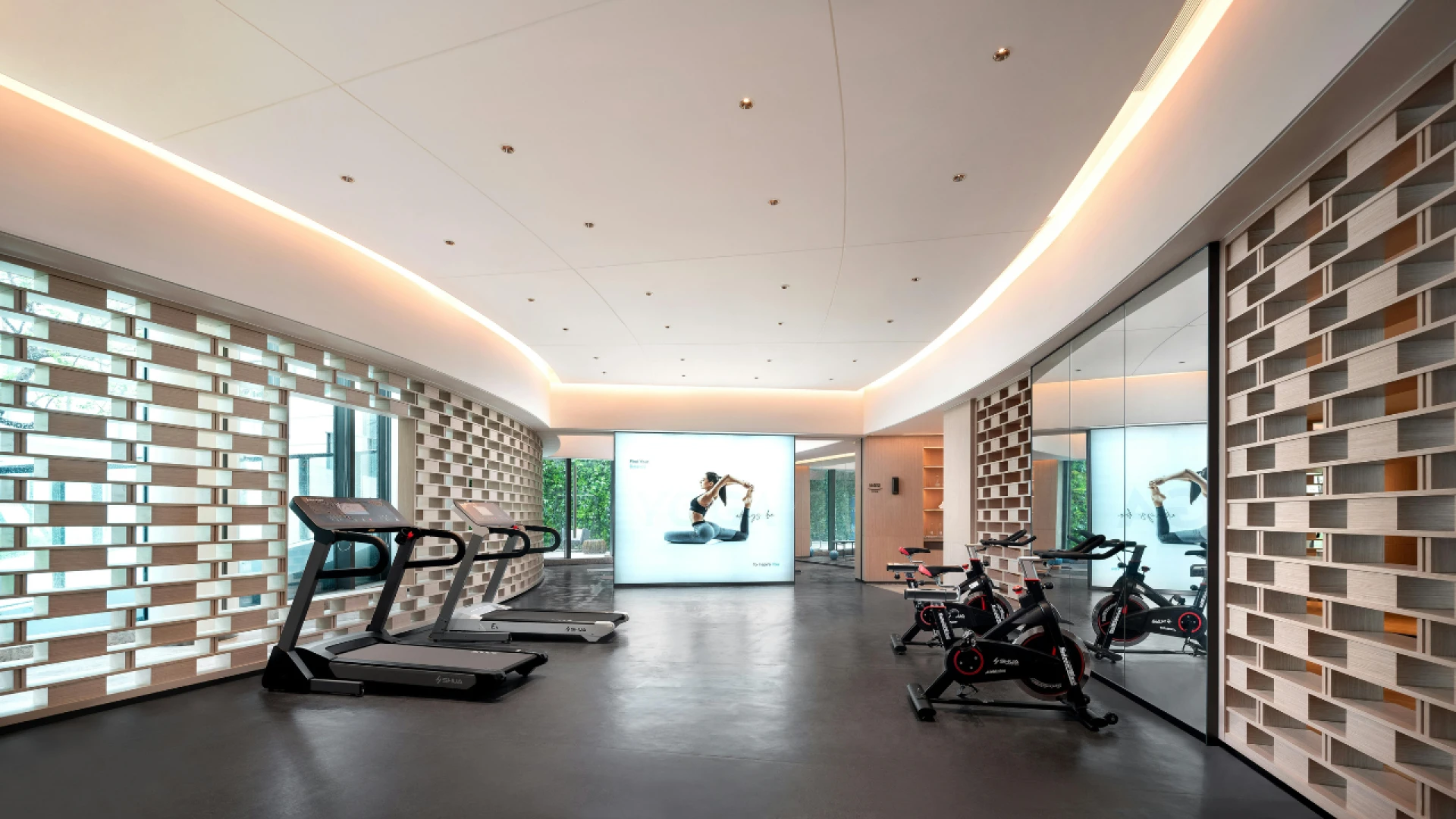
Treadmills designed for commercial gyms are larger and more robust than home models, reflecting in higher prices. Home users must consider room space and portability, which can influence whether they choose a compact, folding treadmill or a stationary, full-sized machine.
Warranty and After-Sales Support
Extended warranties and service packages contribute to overall pricing. Models backed by reliable customer support and comprehensive warranties may cost more upfront but offer long-term value, especially in environments where equipment usage is intensive.
Typical Price Ranges
Understanding price ranges provides perspective on what to expect in different segments. While costs vary by region, brand, and specifications, the following general breakdown illustrates typical ranges:
- Entry-Level Home Treadmills: Approximately 10,000–25,000 THB. These are basic models suitable for walking or light jogging. They usually have smaller motors and fewer advanced features.
- Mid-Range Home Treadmills: Approximately 25,000–60,000 THB. These models accommodate more regular use, include moderate incline functions, better cushioning, and more robust motors.
- High-End Home Treadmills: Approximately 60,000–120,000 THB. These are designed for serious runners, offering powerful motors, advanced technology, and durable construction.
- Commercial Treadmills: Typically start around 120,000 THB and can exceed 250,000 THB. Commercial models are built to handle continuous, high-impact use, often featuring enhanced shock absorption, longer belts, and large consoles.
Tips for Home Buyers
Selecting a treadmill for home use involves balancing space, usage frequency, and budget. A few practical considerations can improve satisfaction:
- Assess Usage Frequency: Occasional walkers may not need advanced features, while daily runners should prioritize motor strength and cushioning.
- Measure Available Space: Folding designs help in apartments or limited spaces but may compromise stability compared to stationary models.
- Check Noise Levels: A treadmill in a shared living space should operate quietly to avoid disturbance.
- Evaluate Maintenance Needs: Regular lubrication, belt alignment, and motor care prolong machine life, impacting long-term value.
Tips for Gym Owners
Commercial buyers prioritize durability, uptime, and member experience.
- Durability Over Features: While advanced programs are useful, structural integrity and motor reliability are crucial.
- Consider Throughput: Gyms with high traffic require machines that can withstand continuous use without overheating or breaking down.
- Space Planning: Allow adequate clearance around each treadmill to ensure safety and accessibility.
- Budget for Maintenance: A well-maintained treadmill can reduce replacement costs over time, even if the initial investment is higher.
Conclusion
Treadmill price varies widely depending on motor power, build quality, features, and intended use. Understanding these factors allows both home users and gym owners to make informed decisions that balance cost with long-term usability. By focusing on specifications, durability, and maintenance requirements rather than only upfront cost, buyers can secure a treadmill that meets their exercise goals and provides lasting value.
FAQs
How much should I spend on a treadmill for home use?
Home treadmill prices can range from 10,000 to 120,000 THB. The right choice depends on frequency of use, desired features, and space availability. Mid-range models often provide the best balance of cost, durability, and functionality.
What is the difference between home and commercial treadmills?
Commercial treadmills are built for continuous, high-impact use, with stronger motors, longer belts, and enhanced shock absorption. Home models are generally lighter, with fewer features and lower weight capacity.
Are expensive treadmills always better?
Not necessarily. While higher-priced models often have more powerful motors and additional features, durability and suitability for your intended use are more important than price alone.
How long does a treadmill typically last?
With proper maintenance, home treadmills can last 7–12 years, whereas commercial units can endure 10–15 years. Regular cleaning, lubrication, and belt checks significantly extend lifespan.
Should I prioritize features or motor strength?
For frequent runners, motor strength and deck cushioning are critical. Advanced features such as touchscreens or workout programs are beneficial but secondary to core performance.