This country operates as a mesmerizing cultural gateway, where varied influences from neighboring continents create a distinct combination of historical depth and progressive outlook. This North African kingdom offers travelers an intoxicating mix of sensory experiences, from the labyrinthine streets of medieval medinas to the endless golden dunes of the Sahara Desert. A journey through Morocco reveals layers of history, culture, and natural beauty that have enchanted visitors for centuries.
Cultural Tapestry: Where East Meets West
Morocco's unique cultural essence, which shapes all dimensions of daily life, emerged from the blending of Arab, Berber, African, and European heritage over countless generations. Walking through the medina of Fez or Marrakech feels like stepping back in time, where craftsmen still practice trades passed down through generations. The architectural marvels scattered throughout Morocco tell stories of different eras and rulers. In Casablanca, the Hassan II Mosque demonstrates Morocco's ability to honor tradition while embracing modernity, with its towering minaret standing as one of the world's tallest religious structures. Music and dance form the heartbeat of Moroccan culture. The hypnotic rhythms of Gnawa music, born from sub-Saharan African influences, echo through the streets alongside the melodic calls to prayer. Traditional festivals bring communities together, where locals don colorful kaftans and perform folk dances that have remained unchanged for centuries. The Berber people, Morocco's indigenous population, maintain their distinct identity despite centuries of outside influence. Across the Atlas peaks, small communities display earthen architecture built into mountainous landscapes, maintaining ancestral ways that influence contemporary living. Berber carpets, known for their intricate patterns and symbolic meanings, represent one of Morocco's most treasured art forms, with each region developing its own distinctive style and color palette.
Culinary Adventures: A Feast for the Senses
Moroccan cuisine represents one of the world's most sophisticated culinary traditions, combining subtle spice blends with fresh local ingredients to create dishes that are both complex and comforting. The foundation of Moroccan cooking lies in its spices, carefully balanced combinations that include cumin, cinnamon, ginger, saffron, and the famous ras el hanout blend containing up to thirty different spices. The tagine, Morocco's signature dish, exemplifies the country's culinary philosophy. Prepared in a characteristic pyramid-shaped ceramic pot, this gently braised stew turns ordinary components into exceptional dining experiences. Whether filled with tender lamb and apricots, chicken with preserved lemons and olives, or vegetables with aromatic herbs, each tagine tells a story of regional preferences and family traditions. Street food culture thrives in Morocco's bustling markets and town squares. The famous Jemaa el-Fnaa square in Marrakech transforms into an open-air restaurant each evening, where smoke from countless grills fills the air and vendors offer everything from grilled sardines to snail soup. Pastries like chebakia, twisted and fried then dipped in honey, provide sweet endings to spicy meals, while mint tea serves as the universal gesture of hospitality.
Here are several plagiarism-free alternatives:
Couscous, widely recognized as Morocco's most iconic cuisine, is traditionally prepared for Friday dinners across the country. This semolina grain, steamed to perfection and topped with vegetables and meat, requires skill and patience to prepare properly. The ritual of couscous preparation often brings families together, with recipes and techniques passed down through maternal lines. Morocco's maritime position is clearly reflected in its abundant fish and shellfish cuisine. Cities like Essaouira and Agadir offer fresh catches prepared with local spices and techniques. Chermoula, a marinade combining herbs, spices, and preserved lemons, transforms simple grilled fish into memorable meals that capture the essence of Moroccan coastal cuisine.
Desert Landscapes: The Majesty of the Sahara
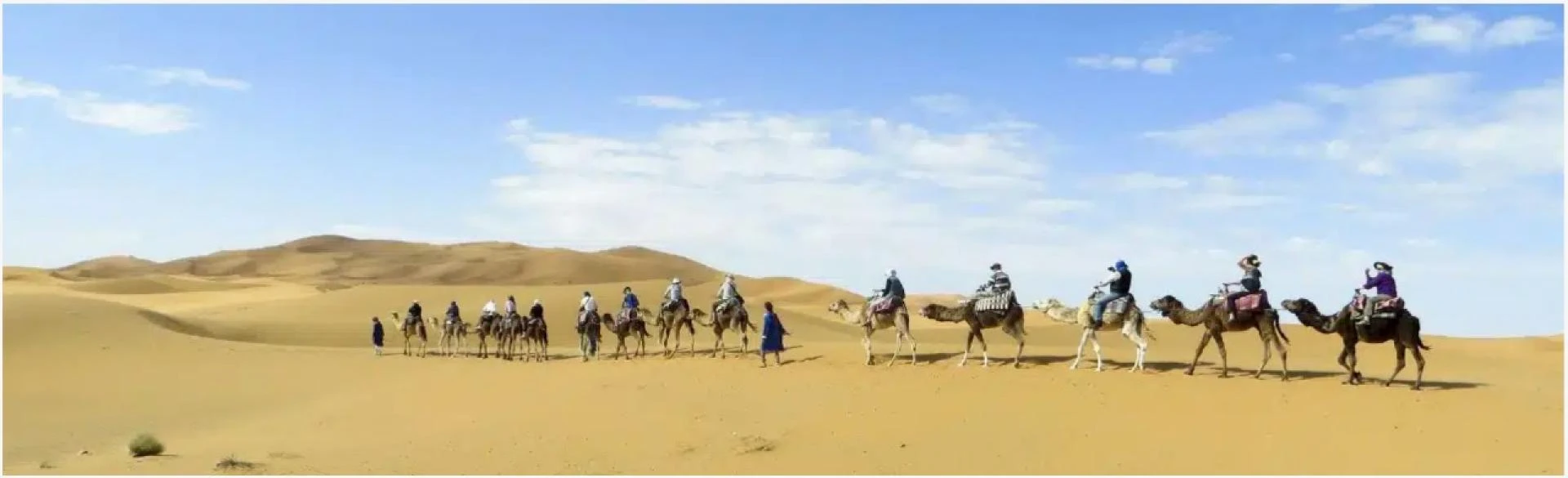
The Sahara Desert represents Morocco's most awe-inspiring natural wonder, covering vast portions of the country's southeastern regions. These two strategic communities provide starting locations for sand dune explorations that showcase spectacular vistas and extraordinary stillness. The Erg Chebbi dunes near Merzouga rise like golden waves from the earth, their shapes constantly shifting with desert winds. These massive sand formations, some reaching heights of 500 feet, create an ever-changing canvas of light and shadow throughout the day. Sunrise and sunset transform the dunes into brilliant displays of orange, pink, and purple hues that photographers and artists struggle to capture adequately. Desert experiences extend far beyond scenic beauty. Camel trekking offers the traditional method of desert travel, allowing visitors to appreciate the vast scale and subtle rhythms of this harsh environment. Camel journeys provide a peaceful, reflective experience through their steady rolling gait and the quiet whisper of movement across dunes, connecting people to generations of desert nomads.
Berber desert camps provide authentic glimpses into nomadic life, where traditional tents equipped with carpets and cushions offer comfortable accommodation under star-filled skies. The clarity of desert air reveals constellations invisible in urban environments, creating natural planetariums that inspire contemplation and wonder. Evening gatherings around campfires feature traditional music and storytelling, preserving oral traditions while creating lasting memories for visitors. The desert ecosystem, while appearing barren, supports diverse wildlife adapted to extreme conditions. Desert foxes, sand cats, and various reptile species thrive in this environment, while seasonal rains bring brief explosions of wildflower blooms that transform barren landscapes into colorful carpets.
Conclusion
Travel to Morocco offers travelers an extraordinary journey through diverse landscapes, rich cultures, and unforgettable experiences. From the bustling souks of ancient medinas to the profound silence of desert dunes, this remarkable country challenges preconceptions while rewarding curiosity. The warmth of Moroccan hospitality, combined with the country's natural beauty and cultural depth, creates travel experiences that linger long after departure. Whether savoring tagines in mountain villages, negotiating for treasures in traditional markets, or watching stars emerge over Saharan dunes, Morocco provides adventures that engage all senses while touching the soul.