Introduction
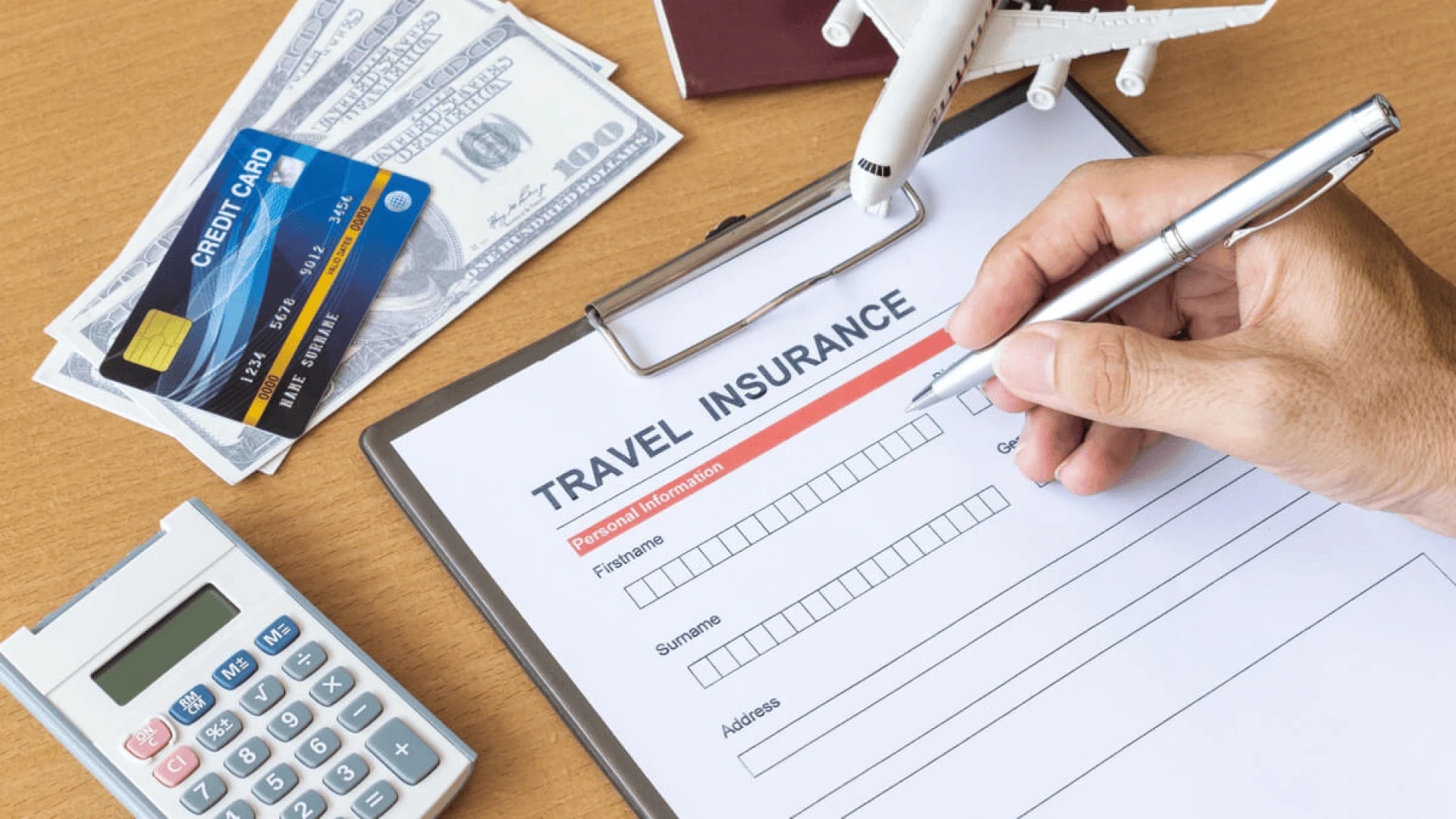
Traveling internationally can be an exciting experience, but it also comes with uncertainties. From medical emergencies to trip cancellations, unexpected events can disrupt your plans. This is where travel insurance becomes essential. It provides financial protection and assistance, ensuring that you can navigate unforeseen circumstances smoothly. But how does travel insurance work for international trips? This guide will help you understand its benefits, coverage, and how to choose the right policy.
What Is Travel Insurance?
Travel insurance is a type of coverage designed to protect travelers from unexpected expenses while traveling. It typically covers medical emergencies, trip cancellations, lost baggage, and other travel-related risks. This insurance is especially crucial for international trips where medical expenses can be high, and travel disruptions are more likely.
Key Coverage Areas of Travel Insurance
A good travel insurance policy should cover the following areas:
1. Medical Emergencies and Evacuations
Medical emergencies are among the most important reasons to purchase travel insurance. If you fall ill or get injured abroad, medical treatment costs can be overwhelming. Some policies cover:
- Hospitalization and doctor visits
- Emergency medical evacuations
- Prescription medications
- Repatriation of remains in case of death
2. Trip Cancellations and Interruptions
If you need to cancel or cut short your trip due to unforeseen circumstances, travel insurance can reimburse non-refundable expenses such as:
- Flight tickets
- Hotel bookings
- Tour packages
- Cruise reservations
Covered reasons typically include illness, injury, death in the family, and natural disasters.
3. Lost, Stolen, or Delayed Luggage
Losing your baggage can be a nightmare, but travel insurance can help by reimbursing the cost of lost or stolen items. It can also provide funds for essential purchases if your baggage is delayed.
4. Flight Delays and Missed Connections
Flight disruptions can derail travel plans. Travel insurance compensates for extra expenses such as meals, accommodations, and alternative transportation in case of:
- Flight cancellations due to weather
- Missed connections due to airline delays
- Strikes affecting flights
5. Personal Liability Coverage
If you accidentally injure someone or damage property while traveling, travel insurance may cover legal expenses and compensation costs.
How Travel Insurance Works Step by Step
To make the most of your travel insurance, follow these steps:
1. Choose the Right Policy
Not all travel insurance policies are the same. Compare different plans and consider:
- Coverage limits and exclusions
- Medical benefits and evacuation coverage
- Trip cancellation and delay terms
- Deductibles and premium costs
2. Purchase Insurance Before Your Trip
Buy travel insurance as soon as you book your trip to ensure you are covered from the start. Some policies may offer coverage only if purchased within a specific timeframe after booking.
3. Keep Your Policy Details Handy
Once you purchase travel insurance, keep a digital and physical copy of your policy, including emergency contact numbers and claim procedures.
4. Know What to Do in an Emergency
If an incident occurs during your trip:
- Contact your insurer immediately
- Gather necessary documents (medical reports, police reports, receipts)
- Follow the claim process as instructed by your insurer
5. File a Claim Promptly
If you need to make a claim, submit all required documents as soon as possible. Most insurers have online portals to facilitate quick claims processing.
How to Choose the Best Travel Insurance for International Trips
Consider these factors when selecting a travel insurance plan:
1. Destination Requirements
Some countries require travelers to have travel insurance before entry. Check if your destination has such requirements.
2. Coverage Amount
Ensure the policy provides sufficient coverage, especially for medical expenses. Some policies offer up to $1 million in emergency medical coverage.
3. Policy Exclusions
Read the fine print to understand what is not covered, such as:
- Pre-existing medical conditions
- Adventure sports or risky activities
- Civil unrest or war-related incidents
4. Cost vs. Benefits
While cheaper policies might be tempting, ensure the coverage meets your needs. A slightly higher premium can provide significantly better protection.
Common Myths About Travel Insurance
1. “I Don’t Need Travel Insurance If I’m Healthy”
Even if you are in perfect health, accidents and unforeseen illnesses can occur. Medical
emergencies abroad can be extremely costly.
2. “My Credit Card Provides Enough Coverage”
Some credit cards offer limited travel insurance, but they may not cover all risks such as medical evacuations or trip cancellations.
3. “It’s Too Expensive”
Travel insurance is often affordable, with plans starting at just a few dollars per day. The cost is minimal compared to potential expenses for medical emergencies or trip disruptions.
Conclusion
Travel insurance is a crucial investment for international trips, offering financial protection and peace of mind. From medical emergencies to trip cancellations, it covers a wide range of unforeseen situations. Before traveling, research different policies, choose one that suits your needs, and keep your policy details accessible. By understanding how travel insurance works, you can travel confidently, knowing you are protected no matter where your journey takes you.