
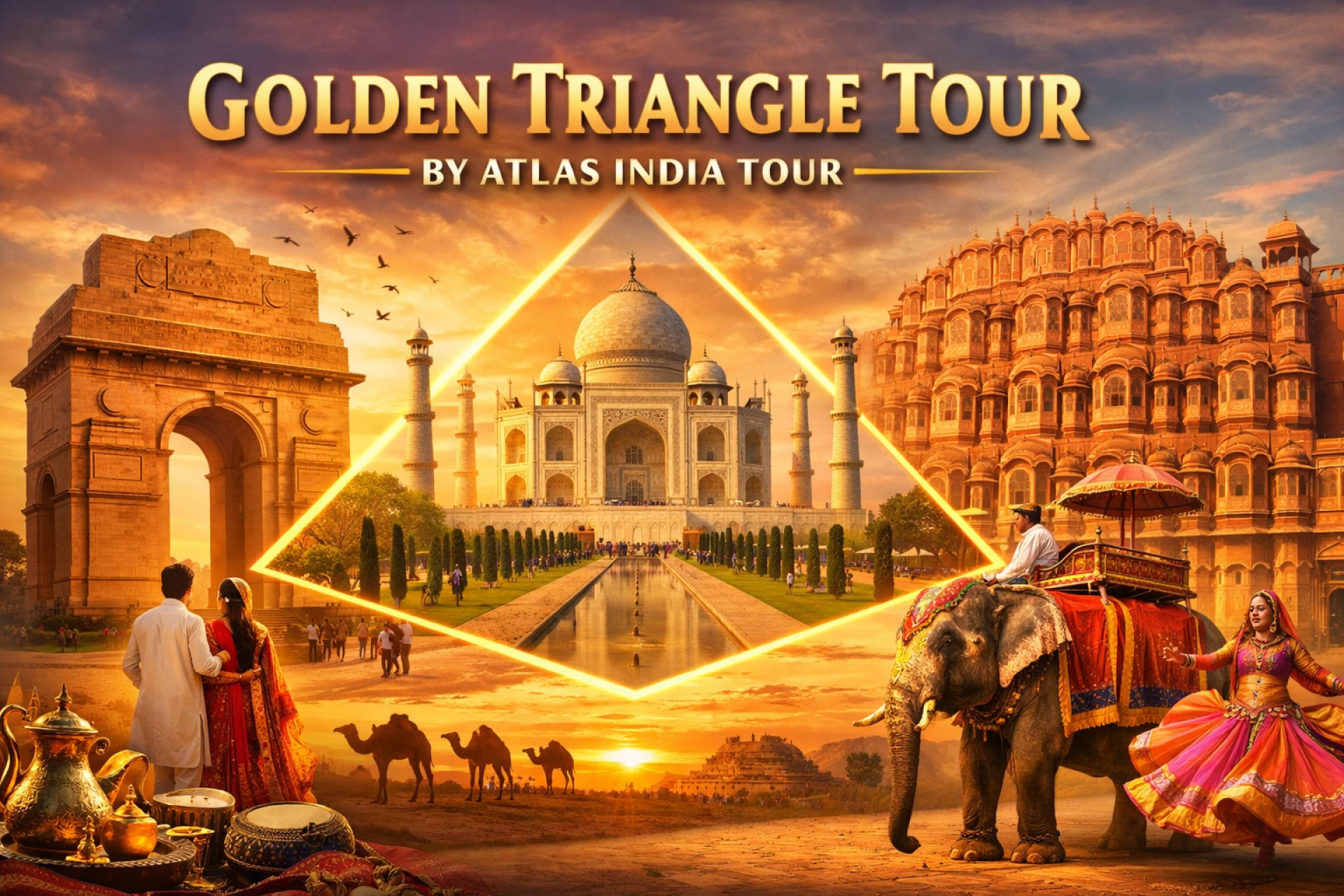
The Golden Triangle is arguably India's most famous tourist circuit, forming a roughly equilateral triangle on the map between Delhi, Agra, and Jaipur. For first-time visitors, this route offers a breathtaking introduction to the country’s diverse landscape, rich history, and architectural grandeur. Each city represents a different facet of Indian heritage: the political pulse of Delhi, the romantic legacy of Agra, and the royal traditions of Jaipur.
This journey is more than just a sightseeing trip; it is a walk through centuries of history, from the Mughal era to the British Raj and the Rajput dynasties. To make the most of this experience, many travelers choose to book a comprehensive golden triangle tour form delhi, which provides a structured yet flexible way to explore these iconic landmarks. By traversing these three cities, you witness the evolution of Indian culture and the enduring spirit of its people.
Starting the Journey in Delhi: The Confluence of Old and New
The journey typically begins in Delhi, the capital city where the past and present coexist in a vibrant, chaotic harmony. Delhi is divided into two distinct parts: Old Delhi and New Delhi. Old Delhi, once the capital of Islamic India, is a labyrinth of narrow lanes, bustling bazaars, and historic monuments. The Red Fort, a UNESCO World Heritage site, stands as a testament to Mughal power, while the nearby Jama Masjid remains one of the largest mosques in India.
In contrast, New Delhi features wide boulevards, lush green parks, and monumental architecture designed during the British era. The India Gate, Rashtrapati Bhavan, and Qutub Minar are essential stops. Navigating this sprawling metropolis can be a challenge, which is why partnering with a reputable travel partner like Atlas India Tour ensures you see the highlights without the stress of logistics. From sampling street food in Chandni Chowk to exploring the serene Humayun’s Tomb, Delhi sets a high bar for the rest of the tour.
Agra: The City of Eternal Love
Moving south from Delhi, the next stop is Agra, located in the state of Uttar Pradesh. While Agra was once the capital of the Mughal Empire, it is now globally recognized as the home of the Taj Mahal. Built by Emperor Shah Jahan in memory of his beloved wife Mumtaz Mahal, this white marble mausoleum is widely considered the finest example of Mughal architecture and a symbol of eternal love. Visiting the Taj Mahal at sunrise is a transformative experience, as the changing light reflects off the ivory surface.
Beyond the Taj, Agra offers other historical treasures. The Agra Fort, a massive red sandstone fortress, provides a fascinating look into the daily lives of the emperors. Just a short drive from the city lies Fatehpur Sikri, the "Ghost City" built by Emperor Akbar. While the Golden Triangle focuses on these three northern cities, travelers often look to expand their itinerary to include the lake city of Udaipur. If you are planning to extend your stay in Rajasthan, consulting a reliable travel agency in udaipur can help you seamlessly integrate the "Venice of the East" into your broader Indian adventure.
Jaipur: The Regal Splendor of the Pink City
The final leg of the triangle takes you into the heart of Rajasthan to Jaipur, known as the Pink City. Founded by Maharaja Sawai Jai Singh II, the city is famous for its distinct pink-hued buildings and symmetrical planning. Jaipur is a treasure trove for those interested in royalty, textiles, and gemstones. The Amber Fort, perched on a hilltop, is the city's crowning jewel, featuring intricate carvings, mirror work, and stunning views of Maota Lake.
Within the city center, the Hawa Mahal, or Palace of Winds, stands with its unique five-story exterior resembling a honeycomb. Nearby, the City Palace continues to house the royal family, while the Jantar Mantar observatory showcases the scientific brilliance of ancient India. Atlas India Tour often recommends spending time in the local markets, such as Johari Bazaar and Bapu Bazaar, where you can find authentic Rajasthani handicrafts and jewelry. Jaipur’s blend of military fortitude and artistic delicacy provides a fitting conclusion to the Golden Triangle.
Essential Travel Tips for the Golden Triangle
To ensure a smooth journey through Delhi, Agra, and Jaipur, timing and preparation are key. The best time to visit is between October and March when the weather is cool and pleasant. During the summer months, temperatures can soar above 40 degrees Celsius, making outdoor sightseeing difficult. Additionally, the monsoon season from July to September brings heavy rains that can disrupt travel plans.
Transportation between the cities is best handled via private car or the Indian Railways’ express trains like the Gatimaan or Shatabdi Express. Dress codes at religious sites are generally modest; it is advisable to carry a scarf to cover your head and shoulders when entering temples or mosques. Staying hydrated and opting for bottled water is also essential for maintaining health throughout the trip.
Why the Golden Triangle Remains a Classic
The Golden Triangle remains India’s most popular tourist route because it offers a high concentration of UNESCO World Heritage sites and cultural experiences within a relatively small geographic area. It serves as a microcosm of the country’s larger identity—vibrant, historic, and deeply spiritual. Whether you are marvelling at the symmetry of the Taj Mahal or navigating the colorful streets of Jaipur, the memories made on this circuit are often lifelong.
Choosing a guided experience with Atlas India Tour allows you to delve deeper into the stories behind the stones. Instead of just seeing the monuments, you learn about the dynasties that built them and the cultural shifts that shaped the modern Indian identity. For any traveler looking to understand the soul of India, the Golden Triangle is the perfect place to start.