
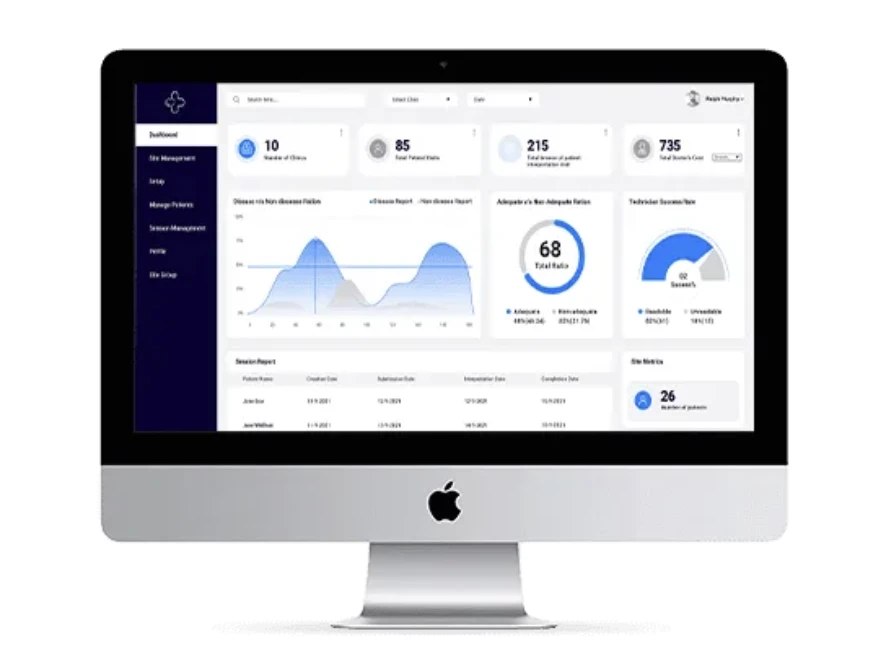
The future of healthcare lies in personalized medicine, a revolutionary approach where treatments are tailored to the unique genetic makeup, lifestyle, and health data of individual patients. This move away from the one-size-fits-all model allows healthcare providers to offer more effective, targeted therapies that can reduce adverse effects and improve patient outcomes. To make this vision a reality, personalized medicine software services plays a critical role in integrating complex data and optimizing treatment strategies. By leveraging technology, healthcare providers can deliver care that is not only more precise but also more efficient and patient-centric.
The Need for Personalized Medicine:
Personalized medicine focuses on understanding the individual factors that influence a patient's health, such as their genetic predispositions, lifestyle, and environmental factors. This approach allows for more accurate diagnoses, more effective treatments, and a greater ability to prevent diseases before they occur. However, such precision medicine relies heavily on vast amounts of data, including genomic data, clinical records, and real-time health metrics, all of which need to be seamlessly integrated and analyzed. This is where personalized medicine software comes in.
Key Features of Personalized Medicine Software:
Personalized medicine software is designed to process large datasets and provide healthcare professionals with actionable insights for treatment decisions. The following features are essential for developing effective software in this domain:
- Genomic Data Analysis: A core feature of personalized medicine software is its ability to analyze genetic data. By studying DNA, RNA, and other molecular data, the software helps identify genetic mutations, susceptibilities, and drug responses, allowing healthcare providers to choose the best possible treatment plan for each patient.
- Data Integration: To offer truly personalized care, healthcare providers must integrate information from a variety of sources. Personalized medicine software integrates data from electronic health records (EHR), lab results, imaging systems, and wearable health devices, creating a comprehensive profile for each patient.
- Predictive Analytics: Software can use predictive analytics to anticipate potential health risks based on genetic, environmental, and lifestyle data. This allows for the identification of patients at risk for specific conditions, enabling early intervention and preventive care.
- Treatment Personalization: The software can recommend customized treatment plans, adjusting for how an individual patient may respond to specific drugs or therapies. This is particularly important in fields like oncology or pharmacology, where treatments can be tailored based on a patient’s genetic makeup and previous treatment responses.
- Decision Support: Healthcare professionals benefit from real-time decision support tools that analyze patient data and suggest potential treatment pathways. These tools can reduce errors, ensure the best possible course of action, and help doctors stay updated on the latest medical research and drug information.
The Role of Software Developers in Personalized Medicine:
Creating a personalized medicine applications requires expertise in both healthcare and technology. A specialized software developer plays a crucial role in ensuring that the software can handle large datasets, process complex algorithms, and remain user-friendly for healthcare professionals.
- Data Security and Privacy: Given the sensitivity of medical and genetic information, developers must integrate high-level security features to safeguard patient data. The software must comply with healthcare regulations and ensure privacy is maintained at all stages of the data lifecycle.
- Custom Solutions for Healthcare Providers: Different healthcare providers have unique requirements. Software developers work to tailor solutions that fit specific needs, whether it’s for a hospital, a private clinic, or a research institution. Customization ensures that the software can integrate seamlessly with existing systems and meet the operational needs of healthcare providers.
- Interoperability: Personalized medicine software must interact smoothly with other healthcare systems such as EHRs, lab management systems, and pharmacy databases. Developers ensure the software can exchange data efficiently across different platforms, improving overall workflow and patient care.
- Scalability: As personalized medicine continues to evolve, software must be adaptable and scalable. Developers build solutions that can grow alongside advances in medical science and technology, incorporating new types of data or analysis tools as needed.
- User Experience: Since the software will be used by a range of healthcare professionals, from genetic counselors to oncologists, usability is a key focus. The design must be intuitive, minimizing the learning curve for users while allowing them to easily access the data and insights they need to make informed decisions.
The Future of Personalized Medicine:
Personalized medicine has the potential to revolutionize healthcare by making treatments more effective, reducing side effects, and improving patient outcomes. However, this approach relies on the efficient integration and analysis of large, complex datasets, which can only be achieved with the help of advanced software solutions. Personalized medicine software development is at the heart of this transformation, enabling healthcare providers to deliver targeted, data-driven care to patients.
As healthcare becomes increasingly personalized, the role of software developers will continue to grow in importance. By developing secure, scalable, and user-friendly solutions, developers will help bring the benefits of personalized medicine to the forefront of modern healthcare, making it more accessible, efficient, and impactful for patients worldwide.
Conclusion:
Personalized medicine has the potential to revolutionize the way we approach healthcare, offering more precise and individualized treatment plans. The development of personalized medicine software plays a pivotal role in achieving this vision by integrating complex patient data and offering actionable insights for healthcare providers. Through collaboration between medical professionals and skilled software developers, personalized medicine can become an integral part of healthcare, ensuring better outcomes and improving the overall patient experience.