
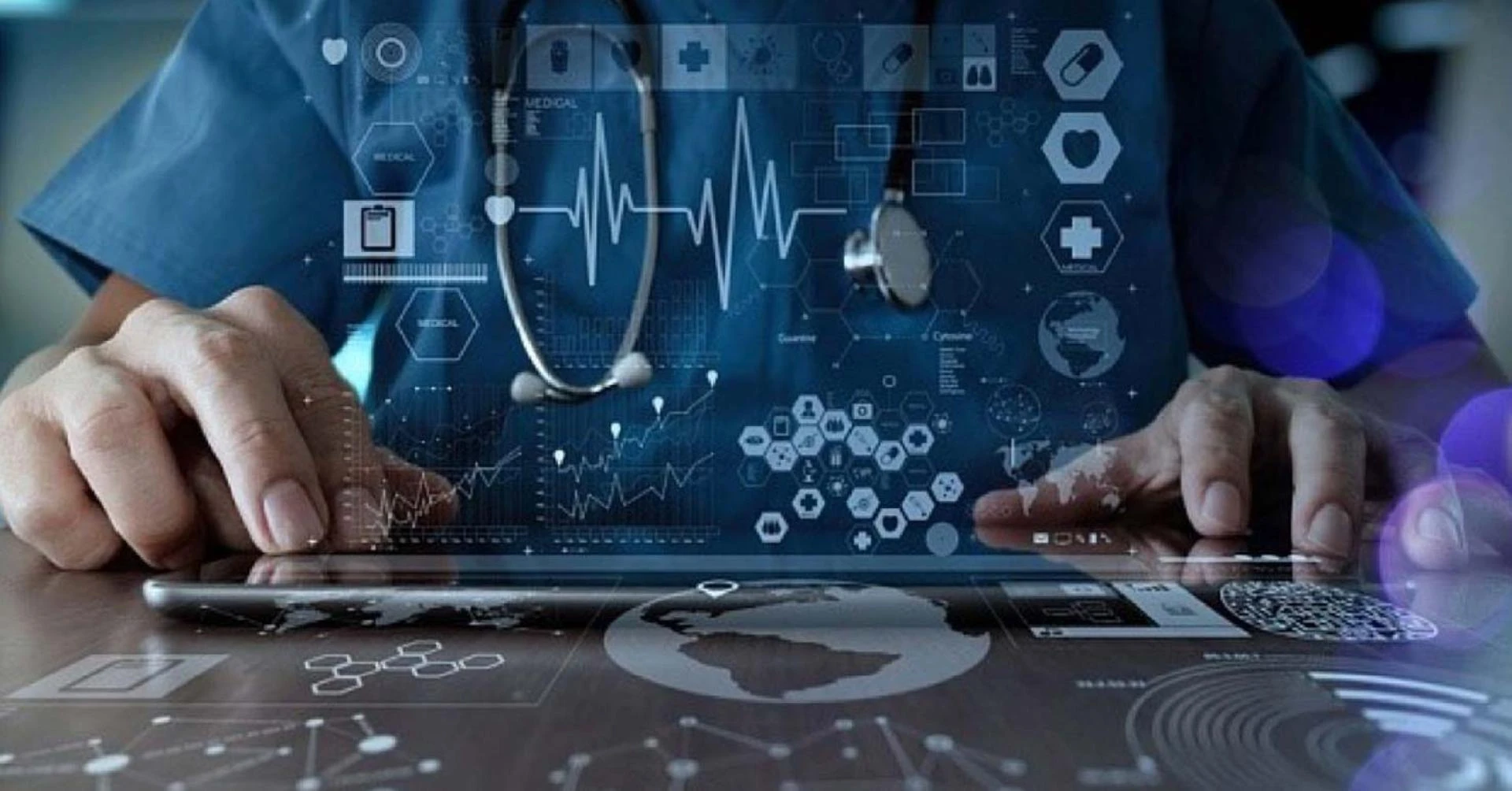
Machine Learning (ML) is revolutionizing various sectors, and healthcare stands out as one of the most promising fields for its application. By leveraging complex algorithms and vast amounts of data, ML enhances diagnostics, personalizes treatment plans, and streamlines administrative tasks, leading to improved patient outcomes and cost efficiencies.
The Role of Machine Learning in Healthcare
Machine Learning enables computers to learn from historical data without being explicitly programmed for every task. In healthcare, this means using patient data, medical records, lab results, and imaging to predict outcomes, diagnose diseases, and recommend treatments with increasing accuracy.
One of the most critical applications of ML is in diagnostics. ML algorithms, especially deep learning models, can analyze medical images such as X-rays, CT scans, and MRIs with precision that rivals or even exceeds human radiologists. For example, Google’s DeepMind has developed systems capable of detecting over 50 eye diseases with high accuracy.
Predictive Analytics and Early Intervention
Predictive analytics is a game-changer in preventive medicine. ML models can identify patterns and risk factors in patient data to forecast the likelihood of diseases such as diabetes, heart attacks, or strokes. This allows for earlier interventions, potentially preventing severe health issues before they arise.
Hospitals and healthcare providers use ML-driven tools to flag high-risk patients. For instance, algorithms can analyze vital signs and clinical notes in real time to predict patient deterioration in intensive care units (ICUs), giving medical staff precious time to act.
Personalized Medicine and Treatment Optimization
Not every patient responds to a treatment in the same way. Machine Learning helps tailor medical care by analyzing genetic information, lifestyle data, and past responses to medications. This approach, known as personalized or precision medicine, aims to provide the right treatment to the right patient at the right time.
In oncology, for example, ML is being used to identify which cancer therapies will work best based on a tumor’s genetic profile. This reduces trial-and-error in treatment and improves survival rates while minimizing side effects.
Streamlining Administrative Processes
Beyond clinical applications, ML contributes to operational efficiency in healthcare. Natural Language Processing (NLP), a subfield of ML, can automate tasks such as medical transcription, billing, and coding. This reduces the administrative burden on healthcare workers, allowing them to focus more on patient care.
Chatbots powered by ML are increasingly used in telehealth and patient engagement. These bots answer routine health queries, schedule appointments, and even provide medication reminders, improving accessibility and compliance.
Challenges and Ethical Considerations
Despite the benefits, integrating ML into healthcare comes with challenges. One significant concern is data privacy. ML systems require large datasets, often containing sensitive personal health information. Ensuring data security and patient confidentiality is critical, especially under regulations like HIPAA in the United States and GDPR in Europe.
Bias in ML algorithms is another pressing issue. If the training data lacks diversity, the model’s predictions may be skewed, leading to disparities in care. For instance, an algorithm trained primarily on data from white patients may perform poorly on patients from other racial or ethnic backgrounds. Transparency and fairness in ML development are essential to address these concerns.
Additionally, ML models can sometimes be "black boxes," making decisions without a clear explanation. In healthcare, where accountability is crucial, this opacity poses a problem. Researchers are actively working on explainable AI models to make these systems more interpretable and trustworthy for clinicians.
The Future of ML in Healthcare
The future of healthcare will likely be increasingly data-driven, with ML playing a central role. As more real-time data from wearable devices, electronic health records, and genomic databases becomes available, ML’s predictive and diagnostic capabilities will only improve.
We can expect to see more autonomous diagnostic tools, robotic surgery guided by AI, and even ML-driven drug discovery — which can significantly shorten the time it takes to bring new drugs to market.
However, the success of ML in healthcare depends on careful integration, continuous monitoring, and a strong ethical framework. Collaboration between data scientists, clinicians, and policymakers is essential to ensure that these technologies serve the best interests of all patients.
Conclusion
Machine Learning is not just a buzzword in healthcare — it is a transformative force reshaping how we prevent, diagnose, and treat illness. With responsible implementation and ongoing innovation, ML has the potential to make healthcare more accurate, efficient, and equitable than ever before.