
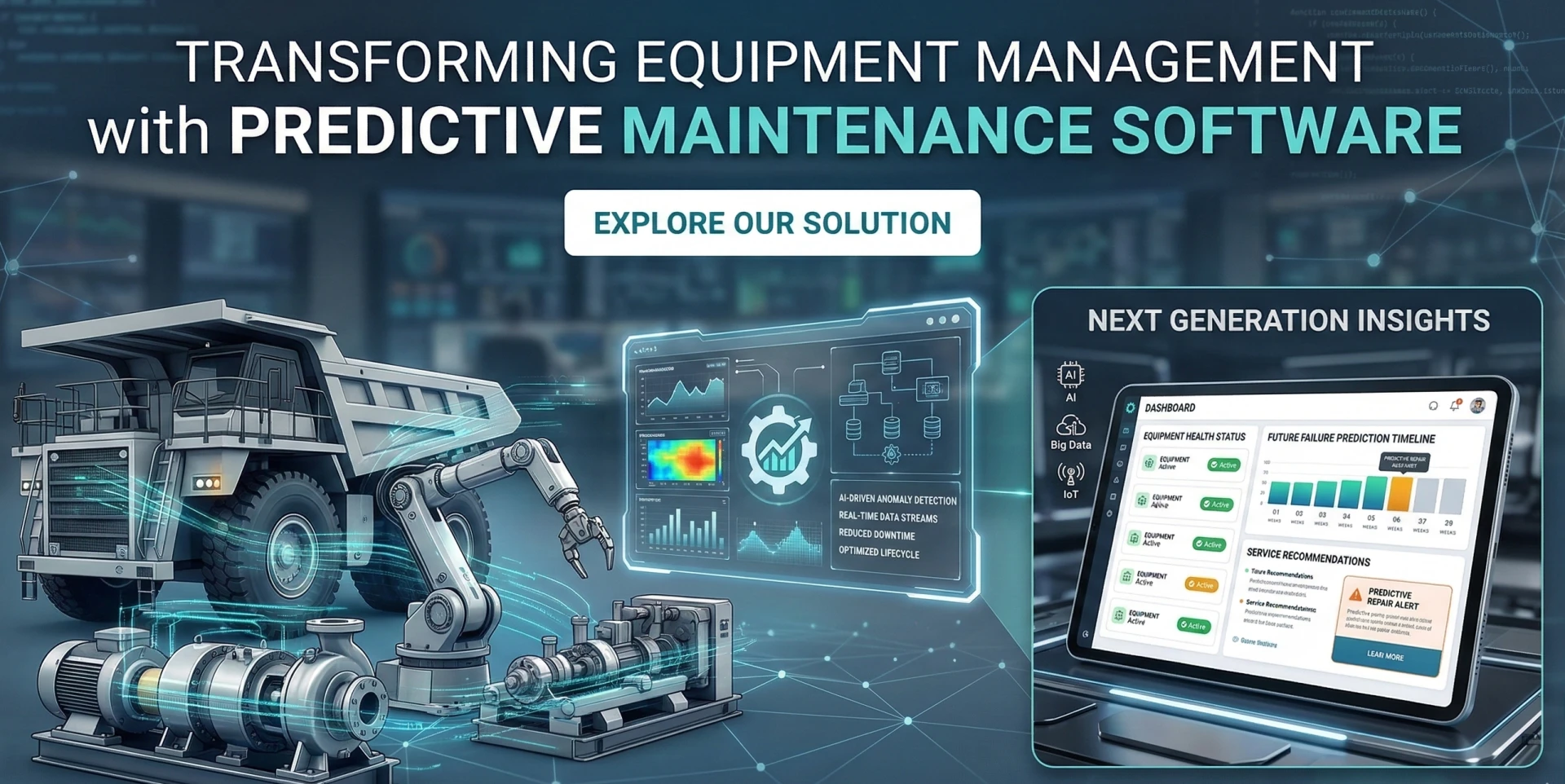
Predictive maintenance software is revolutionizing the way organizations ensure equipment reliability and enhance operational efficiency. Rather than merely responding to equipment failures or adhering to fixed maintenance schedules, modern maintenance teams leverage cutting-edge technologies such as real-time sensor data, advanced analytics, and machine learning algorithms to identify early indicators of potential equipment malfunctions.
How Predictive Maintenance Works
At the core of predictive maintenance is the ability to collect and analyze data from various sensors embedded in machinery. This data provides insights into the health and performance of equipment, allowing teams to anticipate failures before they occur. By utilizing historical data and machine learning models, organizations can predict when maintenance should be performed, optimizing scheduling and resource allocation.
Key Technologies Driving Predictive Maintenance
- Real-Time Sensor Data: Sensors monitor equipment conditions continuously, capturing variables such as temperature, vibration, and pressure.
- Data Analytics: Advanced analytics tools process vast amounts of data to identify trends and anomalies that may indicate impending failures.
- Machine Learning: These algorithms learn from past maintenance records and operational data to improve predictive accuracy over time.
Benefits of Adopting Predictive Maintenance
Industries are increasingly embracing data-driven maintenance strategies due to several compelling advantages:
- Reduced Downtime: By predicting failures, organizations can schedule maintenance during non-peak hours, minimizing disruption to operations.
- Lower Maintenance Costs: Timely interventions prevent major breakdowns, which can be costly and time-consuming to address.
- Extended Asset Lifespan: Regularly maintaining equipment based on predictive insights ensures that assets operate efficiently for longer periods.
Enhanced Decision-Making and Safety
Predictive insights not only facilitate smarter maintenance planning but also contribute to improved safety standards. By addressing potential issues before they escalate, organizations can create safer working environments. Furthermore, data-driven decision-making empowers maintenance teams to allocate resources more effectively and prioritize tasks based on urgency and impact.
Conclusion
In asset-intensive sectors such as manufacturing, facility management, and energy, the shift towards predictive maintenance is becoming essential. As organizations harness the power of data, they are not only enhancing operational efficiency but also fostering a culture of proactive management that ultimately leads to better business outcomes.