
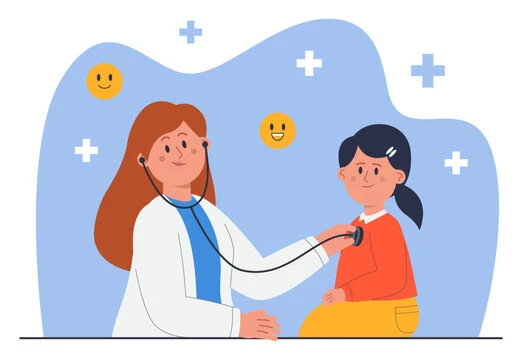
Introduction : The field of pediatrics is undergoing a transformative evolution, fueled by innovative research, technology-driven diagnostics, and integrative approaches to care. For clinicians, educators, and researchers, staying up to date with the latest research in pediatrics is essential to advancing outcomes for infants, children, and adolescents. With an emphasis on high-impact studies and real-world application, this article delves into the breakthroughs shaping the future of pediatric medicine.
Emerging Trends from the Latest Research in Pediatrics In recent years, pediatric research has expanded its focus from acute illness treatment to preventive care, developmental health, and mental wellness. Groundbreaking areas include:
· Neurodevelopmental Disorders: Studies on Autism Spectrum Disorder (ASD) have advanced our understanding of genetic and environmental triggers. Machine learning algorithms are now being used to detect early behavioral patterns linked to ASD. These early interventions are transforming how we approach childhood development and improve long-term outcomes.
· Pediatric Infectious Diseases: COVID-19 spurred research on multisystem inflammatory syndrome in children (MIS-C), a rare but serious condition. Ongoing trials continue to refine vaccine dosage and booster efficacy in pediatric populations. There's also promising research into RSV prevention and long-term flu vaccine effectiveness.
· Chronic Childhood Conditions: From Type 1 diabetes to juvenile arthritis and asthma, long-term studies now emphasize the role of lifestyle, gut microbiome, and gene therapy in disease management. Nutritional therapy, mobile health tracking apps, and school-based wellness programs are being integrated into pediatric chronic care plans.
Mental Health and Behavioral Pediatrics: The mental health of children and adolescents is gaining increased attention. Research is being conducted on early detection of anxiety, depression, and behavioral disorders. Interventions such as cognitive behavioral therapy (CBT), school-based counseling, and family-centered care models are proving effective in reducing long-term psychiatric risks
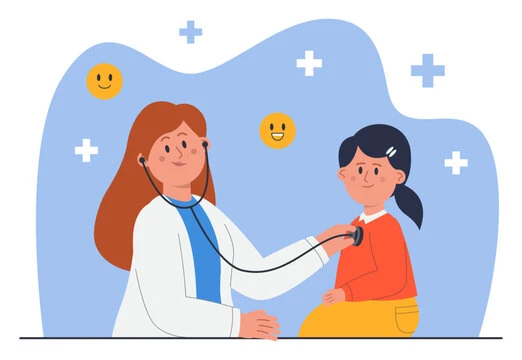
Such studies published in pediatrics reviews and studies offer insights into emerging treatment paradigms, laying the groundwork for evidence-based practice.
Key Advancements in Pediatric Care The integration of technology and cross-specialty collaboration is redefining how we deliver care to younger populations. Here are a few standout innovations:
· Telehealth Expansion: Once a niche service, pediatric telemedicine now facilitates developmental assessments, mental health therapy, and follow-up care across rural and underserved areas. Remote physical therapy sessions and virtual wellness coaching are also gaining popularity.
· Genomics and Personalized Medicine: Pediatric oncologists are using whole genome sequencing to match young patients with personalized treatment regimens, especially in rare childhood cancers. These approaches improve survival rates and reduce side effects compared to conventional methods.
· AI-Powered Diagnostics: Tools like AI-assisted imaging and predictive analytics are being developed to screen for congenital abnormalities, epileptic seizures, neonatal sepsis, and even early-stage scoliosis. AI helps reduce diagnostic delays and allows for faster medical interventions.
· Wearable Pediatric Monitors: Child-specific wearables are now being used to track heart rate, oxygen saturation, glucose levels, and even seizure activity. These tools empower parents and clinicians to make real-time decisions.
· Family-Centered Care and Education: Empowering parents and caregivers with tools, education, and support has become a core element of modern pediatric care. Interactive health apps, e-learning modules for families, and multilingual resources are helping bridge the gap between clinical advice and at-home implementation.
These advancements in pediatric care are particularly vital for improving equity and accessibility for families worldwide.
Publishing Your Pediatric Research Matters If you are conducting studies on child health, developmental interventions, or pediatric therapies, it's crucial to share your work. Submit your research article in pediatrics to IGMin Research to ensure visibility among a global network of scholars, clinicians, and public health leaders.
Publishing helps validate your findings, sparks collaborative research, influences clinical guidelines, and contributes to global health equity.
Why Choose IGMin Research for Pediatric Publishing? IGMin Research is an open-access, peer-reviewed platform committed to advancing biomedical and pediatric science. Here’s why thousands of authors choose us:
· Broad scope covering pediatric neurology, immunology, nutrition, and psychology
· Quick and transparent peer-review process
· High discoverability via Google Scholar, BASE, and indexing partners
· Open access ensures your work reaches both high-income and low-resource settings
· Multidisciplinary editorial board of experts guiding your submission
· Seamless manuscript handling and author support tools
· Global audience of pediatric researchers and clinicians
Whether you're a new researcher or a seasoned clinician, IGMin provides support from submission to publication.
Conclusion The future of pediatric care is rooted in curiosity, innovation, and collaboration. From AI to genomics, the latest research in pediatrics continues to shape how we approach child health with greater precision and compassion. We invite researchers to contribute by submitting their work to IGMin Research and help drive forward the next generation of pediatric medicine.
Suggested Hashtags:
#PediatricResearch #AdvancementsInPediatricCare #SubmitPediatricsArticle #ChildHealthInnovation #PediatricsOpenAccess #IGMinResearch #LatestInPediatrics #GlobalChildHealth #AIinPediatrics #OpenScienceKids