
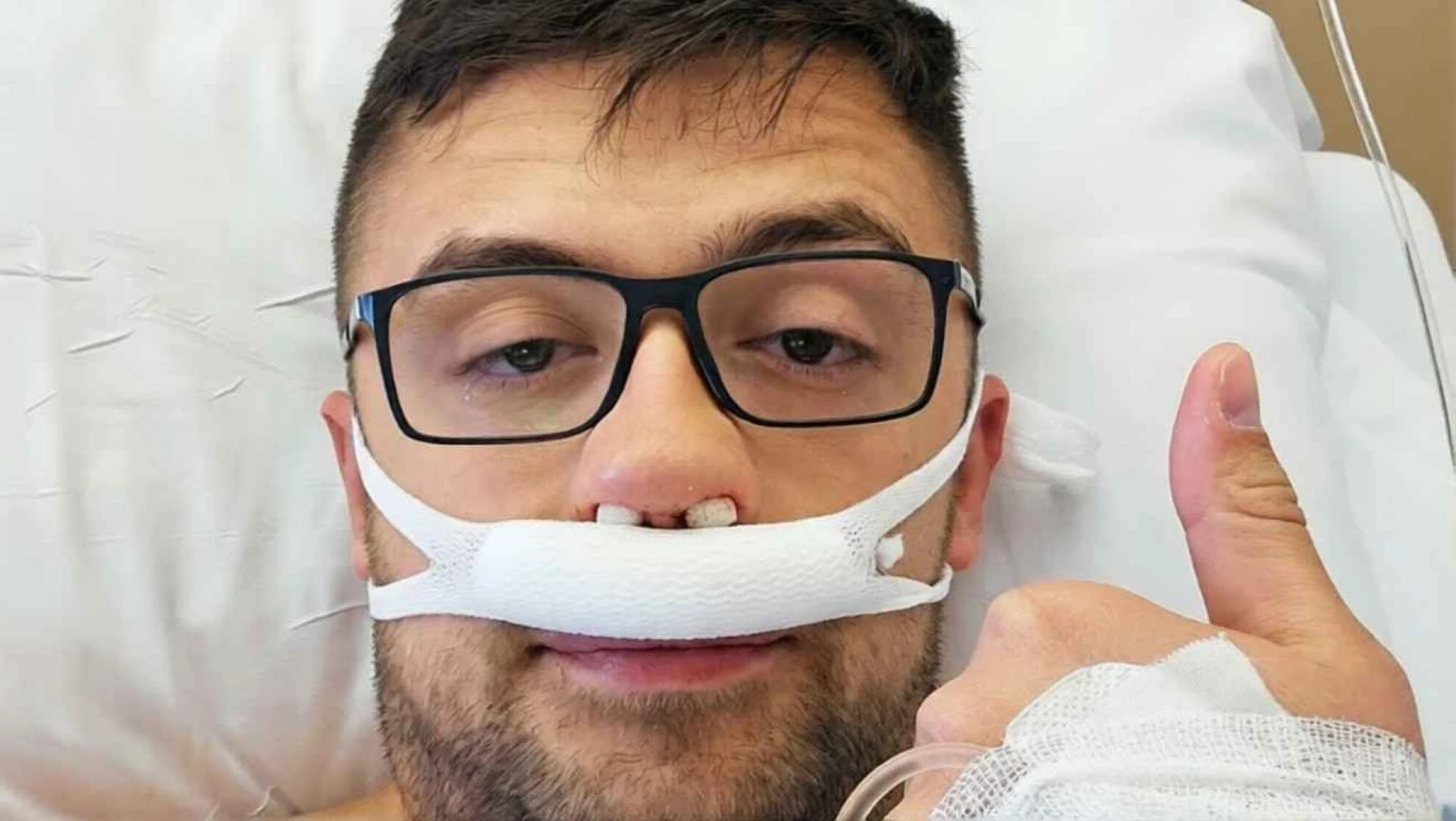
Septoplasty surgery in Islamabad has become increasingly popular among patients experiencing nasal obstruction, difficulty breathing, or chronic sinus issues. With advancements in ENT (Ear, Nose, and Throat) care, septoplasty offers an effective solution for correcting a deviated nasal septum and improving overall nasal function.
This article explores various aspects of septoplasty surgery, including what it involves, recovery time, before and after expectations, care tips, and its success rate.
What is Septoplasty Surgery?
Septoplasty surgery is a medical procedure designed to correct a deviated nasal septum. The septum is the cartilage and bone structure dividing the two nasal cavities. When this structure is misaligned, it can lead to nasal congestion, difficulty breathing, recurrent sinus infections, and even sleep disturbances.
During septoplasty surgery, an ENT specialist carefully repositions or removes parts of the septum to improve airflow through the nasal passages. Unlike cosmetic rhinoplasty, septoplasty focuses primarily on functional improvements rather than aesthetics, although in some cases, it may be combined with rhinoplasty for both functional and cosmetic benefits.
Key Goals of Septoplasty Surgery
- Improve nasal breathing and airflow
- Reduce chronic sinus infections
- Correct snoring and sleep disturbances caused by nasal blockage
- Relieve nasal congestion and discomfort
Septoplasty Surgery Before and After
Understanding the before and after aspects of septoplasty surgery can help patients manage expectations. Before the surgery, patients may experience nasal blockages, snoring, headaches, and difficulty breathing through one or both nostrils.
After septoplasty surgery, most patients notice significant improvement in nasal airflow and breathing comfort. Swelling and mild discomfort are common in the first few days post-surgery, but these symptoms gradually subside.
It is important to note that results can vary depending on the individual’s nasal structure and the complexity of the deviation. Patients are often advised to follow strict postoperative care instructions to ensure optimal healing.
How Long Does Septoplasty Surgery Take?
The duration of septoplasty surgery can vary depending on the complexity of the case. Typically, the procedure takes about 30 minutes to 1.5 hours under general or local anesthesia. When combined with rhinoplasty, the surgery may take longer.
ENT specialists in Islamabad recommend scheduling the procedure in a well-equipped hospital or clinic to ensure safety, precision, and proper postoperative care.
Septoplasty Surgery Recovery Time
Recovery after septoplasty surgery is a crucial phase for achieving the best results. On average, patients can expect a recovery time of 1 to 2 weeks for initial healing, with full recovery taking up to 3 months. During this period, swelling, mild pain, and congestion are common but manageable with prescribed medications.
Patients should avoid strenuous activities, heavy lifting, and exposure to dust or smoke during the recovery phase to prevent complications. Most people can return to work within a week, depending on the nature of their job and the extent of the surgery.
Care After Septoplasty Surgery
Proper care after septoplasty surgery is essential to ensure a smooth recovery and avoid complications. Some recommended care practices include:
- Avoid blowing the nose for at least one week to prevent bleeding
- Use saline sprays to keep nasal passages moist and aid healing
- Elevate the head while sleeping to reduce swelling
- Follow prescribed medications, including antibiotics and pain relievers
- Avoid strenuous activities and heavy exercise for at least two weeks
Adhering to these care instructions significantly enhances the recovery process and helps maintain the results of the surgery.
How to Sleep After Septoplasty Surgery
Sleeping comfortably after septoplasty surgery can be challenging due to nasal congestion and swelling. Experts recommend:
- Sleeping on your back with your head elevated using extra pillows
- Avoiding sleeping on your stomach or side, as this may increase pressure on the nose
- Keeping the bedroom air humidified to prevent dryness in the nasal passages
These practices help reduce discomfort and support faster recovery during the first week after surgery.
Rhinoplasty and Septoplasty Surgery: Understanding the Difference
While septoplasty focuses on correcting the functional aspects of the nose, rhinoplasty is a cosmetic procedure designed to enhance the nose’s appearance. In some cases, patients opt for rhinoplasty and septoplasty surgery together to improve both function and aesthetics.
Combining these procedures ensures that the patient not only breathes better but also achieves a more symmetrical and proportionate nose shape. ENT specialists carefully plan such surgeries to balance both medical and cosmetic outcomes.
Cost of Septoplasty in Islamabad
The cost of septoplasty in Islamabad varies depending on the surgeon’s experience, hospital facilities, and whether the surgery is combined with rhinoplasty. On average, patients can expect to pay between PKR 80,000 to PKR 250,000.
Insurance coverage for septoplasty may apply if the surgery is medically necessary to correct breathing issues. Patients are advised to consult their ENT specialist and hospital administration for detailed cost estimates, payment plans, and insurance options.
Septoplasty Surgery Success Rate
Septoplasty surgery generally has a high success rate, with most patients experiencing significant improvement in nasal breathing and reduction in related symptoms. According to ENT studies, the success rate can range from 85% to 95%, depending on the patient’s condition and adherence to postoperative care.
However, some patients may require minor revision surgeries if complications arise or if the initial correction was insufficient. Regular follow-ups with the ENT specialist help monitor healing and ensure long-term success.
After Effects of Septoplasty Surgery
Like any surgical procedure, septoplasty may have after effects, though most are temporary and manageable. Common after effects include:
- Swelling and bruising around the nose and eyes
- Mild nasal bleeding or discharge
- Nasal congestion and crusting
- Temporary changes in sense of smell
These symptoms usually resolve within a few weeks. Persistent complications are rare but may include infection, septal perforation, or under-correction, which require prompt medical attention.
Tips for a Smooth Septoplasty Surgery Experience
To ensure a successful septoplasty surgery experience, patients should:
- Choose an experienced ENT specialist with proven expertise in septoplasty
- Follow preoperative instructions such as avoiding blood-thinning medications
- Maintain a healthy lifestyle, including proper nutrition and hydration
- Plan adequate recovery time at home after the procedure
- Attend all follow-up appointments to monitor healing and prevent complications
Conclusion
Septoplasty surgery in Islamabad is a highly effective solution for individuals struggling with a deviated septum or chronic nasal problems. With proper care, guidance from an experienced ENT specialist, and adherence to postoperative instructions, patients can enjoy improved nasal breathing, reduced sinus issues, and enhanced overall quality of life.
Whether considering rhinoplasty and septoplasty surgery together or undergoing septoplasty alone, it is important to understand the procedure, recovery time, and care required after surgery. By staying informed and prepared, patients can achieve optimal outcomes and a smooth recovery experience.