
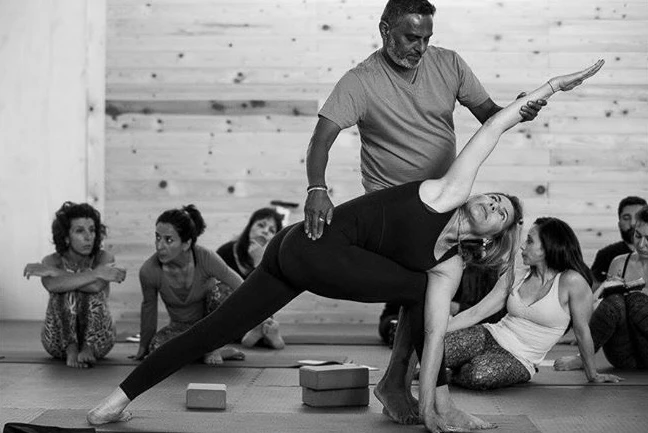
If you’ve ever dreamed of deepening your yoga practice, exploring the ancient roots of yoga, and becoming a certified yoga teacher, a 200-hour yoga teacher training in India is the perfect starting point. This immersive one-month journey is more than just a course — it’s a transformative experience that nurtures your body, mind, and spirit while preparing you to share yoga with others confidently.
In this article, we’ll explore what a 200-hour yoga certification involves, why India is the best place to train, what to expect from a one-month yoga teacher training, and how this experience can reshape your life.
What Is a 200-Hour Yoga Teacher Training?
The 200-hour yoga teacher training (YTT) is the foundational level of teacher training recognized by Yoga Alliance and most global yoga organizations. Completing this program qualifies you to teach yoga anywhere in the world.
Over the span of about four weeks, students are guided through intensive study and practice of yoga postures (asanas), breathwork (pranayama), meditation, philosophy, anatomy, and teaching methodology. The goal is to equip you with both the technical knowledge and the personal growth necessary to guide others safely and authentically on their yoga journey.
Key Components of a 200-Hour YTT
Asana Practice (Postures):
Daily classes help you refine your alignment, flexibility, and strength while learning how to sequence and instruct poses effectively.
Pranayama (Breath Control):
Breath is the foundation of yoga. You’ll explore techniques that balance energy, calm the mind, and support meditation.
Meditation and Mindfulness:
You’ll practice various meditation styles to deepen self-awareness and inner peace.
Yoga Philosophy:
Ancient yogic texts such as the Yoga Sutras of Patanjali and Bhagavad Gita are studied to understand yoga as a holistic lifestyle, not just physical exercise.
Anatomy and Physiology:
Learn how yoga affects the human body and how to teach safely across different levels and abilities.
Teaching Practice:
You’ll gain real classroom experience by teaching your peers, receiving feedback, and developing your confidence as a yoga instructor.
Why Choose India for Yoga Teacher Training?
India is the birthplace of yoga — the land where ancient sages developed this profound science of body and mind thousands of years ago. Doing your yoga teacher training in India means immersing yourself in an authentic cultural and spiritual environment that simply can’t be replicated elsewhere.
1. Authentic Lineage and Traditional Teachings
Indian yoga schools often follow traditional lineages like Hatha, Ashtanga, or Kundalini yoga. You’ll study directly from teachers who’ve inherited the wisdom of generations of masters.
2. Spiritual Atmosphere
Whether you’re practicing in Rishikesh by the Ganges River, in the serene mountains of Dharamshala, or amidst the peaceful temples of Mysore, the atmosphere itself inspires mindfulness, discipline, and introspection.
3. Affordable and Holistic Experience
Compared to Western yoga schools, 200-hour yoga teacher training in India offers world-class education at an affordable cost — often including accommodation, meals, and course materials.
4. Yogic Lifestyle
You’ll live a yogic lifestyle: waking up early, eating nutritious vegetarian meals, meditating, and learning in a like-minded community. This environment supports rapid personal growth and healing.
The Structure of a One-Month Yoga Teacher Training
A one-month yoga teacher training is intensive. Expect early mornings, full days of study and practice, and early nights. The daily schedule typically runs from 6 a.m. to 8 p.m., with breaks for meals and rest.
Typical Daily Schedule
- 6:00 am – 7:30 am: Morning meditation and pranayama
- 7:30 am – 9:00 am: Asana practice (Hatha or Vinyasa)
- 9:00 am – 10:00 am: Breakfast
- 10:00 am – 11:30 am: Yoga philosophy lecture
- 11:30 am – 12:30 pm: Anatomy and physiology
- 12:30 pm – 2:00 pm: Lunch and rest
- 2:00 pm – 4:00 pm: Teaching methodology and practice
- 4:30 pm – 6:00 pm: Evening asana session or restorative yoga
- 6:30 pm – 7:30 pm: Meditation or satsang (spiritual gathering)
- 8:00 pm: Dinner and lights out early
This routine promotes discipline and mindfulness while balancing physical practice with mental and spiritual development.
What You’ll Gain from a 200-Hour Yoga Certification
Completing your 200-hour yoga certification in India is not just about learning to teach yoga — it’s about personal transformation. Here’s what most students take away from the experience:
1. Confidence and Teaching Skills
You’ll learn how to sequence classes, cue safely, and guide students of all levels. By the end of the training, you’ll feel confident leading your own yoga sessions.
2. Deeper Self-Understanding
Through meditation, reflection, and self-discipline, you’ll gain profound insight into your patterns, emotions, and true nature.
3. Lifelong Friendships
You’ll meet people from all over the world who share your passion for yoga and holistic living. These connections often evolve into lifelong friendships and a global teaching network.
4. A Healthier Lifestyle
A month of daily yoga, meditation, and clean eating resets your system. Many students experience weight loss, reduced stress, and improved focus.
5. An Internationally Recognized Certificate
Upon completion, you’ll receive a Yoga Alliance 200-hour certificate, allowing you to teach yoga anywhere in the world.
Choosing the Right Yoga School in India
With hundreds of schools across India, choosing the right one can feel overwhelming. Here are some tips to help you decide:
Accreditation:
Ensure the school is registered with Yoga Alliance (RYS 200). This guarantees international recognition.
Style of Yoga:
Choose a program aligned with your goals — Hatha for balance, Ashtanga for discipline, Vinyasa for flow, or Multi-Style for variety.
Experienced Teachers:
Read reviews and teacher bios. Look for instructors with years of experience and genuine spiritual insight.
Location:
- Rishikesh: The Yoga Capital of the World, ideal for spiritual seekers.
- Mysore: Famous for Ashtanga yoga and traditional learning.
- Goa: Beachside yoga schools perfect for relaxation.
- Dharamshala: Peaceful mountain setting with Tibetan influence.
Facilities and Lifestyle:
Check if accommodation, meals, and materials are included. A serene, supportive environment enhances learning.
Life After a 200-Hour Yoga Teacher Training
After completing your 200-hour yoga teacher training in India, new opportunities unfold. Many graduates go on to:
- Teach at yoga studios, gyms, and wellness retreats
- Offer private classes or online sessions
- Continue advanced training (300-hour or 500-hour YTT)
- Integrate yoga into careers like wellness coaching, physiotherapy, or holistic healing
More importantly, you’ll carry yoga off the mat — cultivating mindfulness, compassion, and balance in everyday life.
Is a One-Month Yoga Teacher Training Right for You?
A one-month yoga teacher training is ideal if you’re ready for a life-changing experience. However, it requires full commitment — physically, mentally, and emotionally. You don’t need to be an expert yogi, but consistency, curiosity, and an open heart are essential.
If you’re passionate about yoga and feel called to share it with others, this training will give you the tools and confidence to begin that journey.
Conclusion
A 200-hour yoga teacher training in India is more than just a certification — it’s a sacred journey of self-discovery and transformation. Over the course of a month, you’ll not only master yoga techniques but also connect with ancient wisdom, awaken your inner strength, and discover your purpose as a teacher and seeker.
Whether you choose the peaceful ashrams of Rishikesh, the vibrant energy of Mysore, or the tropical calm of Goa, your experience will be unforgettable. Upon completing your 200-hour yoga certification, you’ll leave India not only as a qualified yoga teacher but as a renewed version of yourself — balanced, inspired, and ready to share yoga with the world.
Frequently Asked Questions (FAQ)
1. What is a 200-hour yoga teacher training?
It’s a foundational yoga course that prepares you to become a certified yoga teacher worldwide.
2. Do I need experience to join?
No, beginners and intermediate practitioners are welcome to join and deepen their practice.
3. Why choose India for yoga training?
India offers authentic teachings, traditional philosophy, and a deeply spiritual environment.
4. What yoga styles are taught?
Most programs include Hatha, Ashtanga, and Vinyasa yoga, plus pranayama and meditation.
5. How long is the training?
It’s typically a one-month intensive course covering 200 hours of study and practice.
6. Is the certification internationally recognized?
Yes, Yoga Alliance-accredited programs are valid globally for teaching yoga.