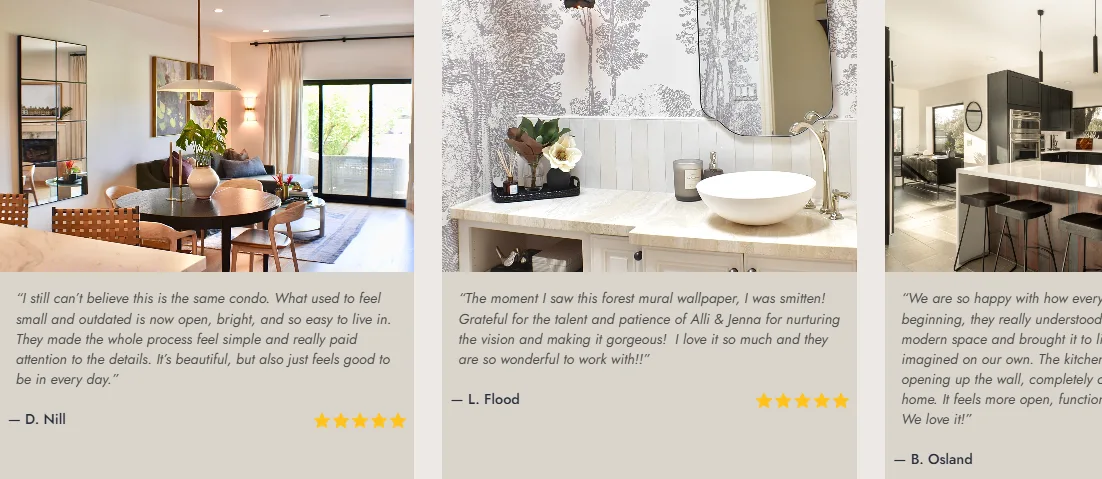
Your kitchen is more than just a place to cook—it is the heart of your home. A well-designed kitchen not only improves functionality but also enhances aesthetics, increases the value of your property, and creates a space where your family and friends can gather comfortably. That’s where interior designers for kitchen come in. These professionals bring creativity, technical expertise, and an understanding of modern trends to craft kitchens that are both beautiful and highly functional.
Why Hire Interior Designers for Kitchen?
Many homeowners underestimate the importance of professional design when it comes to kitchens. While DIY layouts might seem cost-effective, they often fail to maximize space, flow, and utility. Interior designers for kitchen have the skills to combine your lifestyle needs with spatial planning, ergonomics, and materials selection. From optimizing counter space to designing storage solutions, they ensure every inch of your kitchen serves a purpose without compromising style.
Furthermore, kitchens have evolved from mere cooking spaces to social hubs. Interior designers create layouts that accommodate cooking, dining, and social interaction seamlessly. Whether it’s an open-plan kitchen with an island or a compact modular setup, their designs make daily routines easier while keeping aesthetics in focus.
Modern Trends Interior Designers for Kitchen Focus On
- Modular Kitchens: These pre-fabricated units are popular for their flexibility and efficient use of space. Interior designers tailor modular setups to your kitchen’s dimensions, ensuring storage, countertop, and appliance spaces are optimized.
- Sustainable Materials: Eco-friendly and durable materials are increasingly sought after. Interior designers for kitchen often incorporate recycled woods, low-VOC paints, and energy-efficient appliances that benefit both the environment and your home’s longevity.
- Smart Storage Solutions: Proper storage can make a kitchen functional and clutter-free. Designers integrate pull-out drawers, corner carousels, overhead cabinets, and hidden compartments to store utensils, spices, and pantry items smartly.
- Lighting and Ambience: A well-lit kitchen improves functionality and enhances mood. Designers strategically place ambient, task, and accent lighting to illuminate cooking zones, highlight features, and create a welcoming atmosphere.
- Personalized Design Elements: Interior designers for kitchen work closely with clients to incorporate personal preferences, from countertop materials like granite, quartz, or marble, to cabinetry finishes, flooring, and backsplash designs.
The Process of Working with Interior Designers for Kitchen
The journey begins with a consultation where the designer understands your lifestyle, cooking habits, and aesthetic preferences. Measurements are taken, layouts are drafted, and 3D models are often presented to visualize the final look.
Once approved, designers manage the selection of materials, appliances, and finishes, ensuring a cohesive theme. They also coordinate with contractors and oversee installation, keeping timelines and budgets on track. This hands-on approach saves homeowners the stress of juggling multiple vendors and ensures a seamless transformation.
Benefits of Hiring Professional Kitchen Designers
- Optimized Layouts: Designers ensure the kitchen workflow—from prep to cooking to cleaning—is logical and efficient.
- Enhanced Property Value: A stylish and functional kitchen adds significant resale value to your home.
- Time and Cost Savings: Designers prevent costly mistakes, ensure quality, and source materials at competitive rates.
- Customized Solutions: Each design is unique, tailored to the client’s lifestyle and taste.
- Stress-Free Execution: With professionals handling planning and implementation, homeowners enjoy the transformation without hassle.
Choosing the Right Interior Designers for Kitchen
Not all interior designers specialize in kitchen design. Look for professionals with a proven portfolio, client testimonials, and knowledge of modern kitchen trends. Visiting completed projects can provide insights into their style and execution quality.
Communication is key: choose designers who listen to your needs, suggest creative solutions, and are transparent about timelines and budgets. Experienced designers will also advise on appliances, ergonomics, and maintenance-friendly finishes that ensure your kitchen remains functional and stylish for years to come.
Conclusion
A kitchen is the soul of a home, and interior designers for kitchen play a crucial role in transforming it into a functional, stylish, and welcoming space. By combining design expertise with practical solutions, these professionals create kitchens that are not just visually appealing but also easy to use and maintain. Whether you’re planning a complete remodel or just updating certain elements, hiring a professional ensures the best results, tailored to your lifestyle and preferences.
Investing in a thoughtfully designed kitchen pays off in comfort, convenience, and long-term value, making your home a true haven for family and friends.