
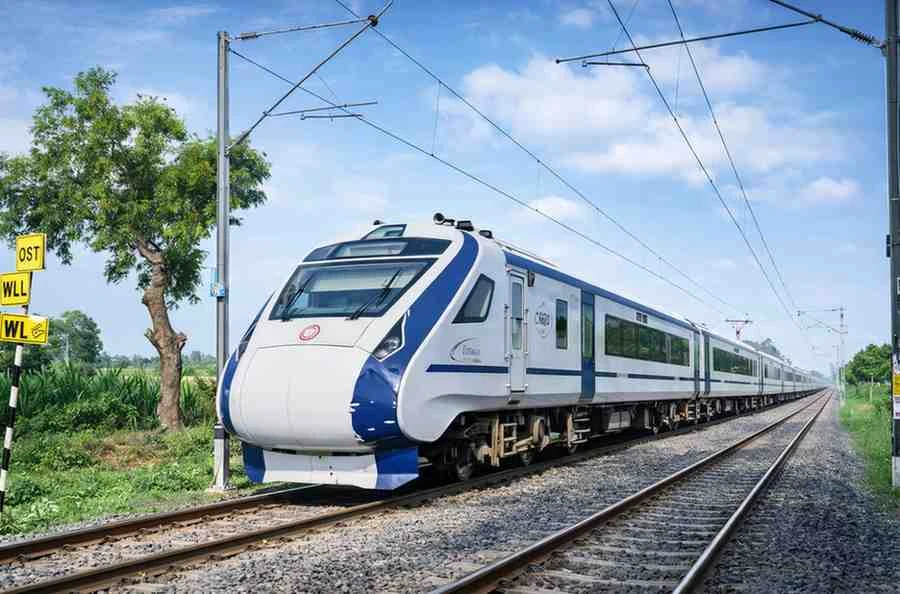
Healthcare emergencies rarely come with warning. For families in Bihar, the challenge often goes beyond treatment—it’s about reaching the right hospital in time. With advanced medical facilities concentrated in metro cities like Delhi, Mumbai, and Chennai, long-distance patient transfers have become a critical part of healthcare delivery. This is where Train Ambulance Service in Patna is proving to be a dependable and life-saving solution.
The Growing Need for Train Ambulance Services in Patna
Patna serves as a major healthcare hub for Bihar and neighboring regions, yet many complex medical cases still require referral to super-specialty hospitals outside the state. Patients needing advanced cardiac care, oncology treatment, neurosurgery, or organ support are often transferred to Delhi, Chennai, or Hyderabad.
In such scenarios, families need a transport option that is safe, medically equipped, and financially manageable. Train ambulances bridge this gap by offering ICU-level care during long-distance travel—without the high costs associated with air ambulances.
What Is a Train Ambulance Service?
A train ambulance is a specially prepared railway coach converted into a mobile intensive care unit. It is equipped with essential life-support systems and staffed by trained doctors, nurses, and paramedics. From the moment the patient leaves the hospital in Patna to their admission at the receiving facility, continuous medical care is ensured.
Why Train Ambulance Service in Patna Is the Preferred Choice
1. Ideal for Long-Distance Transfers
Routes like Patna–Delhi or Patna–Mumbai involve extended travel. Trains provide smoother, more stable movement compared to road ambulances, reducing physical stress on critical patients.
2. Cost-Effective Medical Transport
Compared to air ambulances, train ambulances are significantly more affordable, making them accessible to middle-income families while maintaining high medical standards.
3. ICU-Level Care Onboard
Modern train ambulances include ventilators, cardiac monitors, oxygen supply, infusion pumps, and emergency medications. Patients are monitored continuously throughout the journey.
4. Reliable and Weather-Resistant
Train services are less affected by weather conditions, reducing cancellation risks and ensuring timely transfers.
Common Medical Cases Transferred from Patna via Train Ambulance
- ICU patients requiring ventilator support
- Post-surgery and trauma cases
- Neonatal and pediatric emergencies
- Cancer patients traveling for specialized treatment
- Stroke and cardiac patients needing tertiary care
These cases demand uninterrupted monitoring—something train ambulances are uniquely designed to provide.
How the Train Ambulance Process Works in Patna
- Medical Evaluation: Doctors assess whether the patient is fit for train transfer.
- Hospital Coordination: Liaison with both sending and receiving hospitals.
- Train Booking & Setup: Reservation of berths and preparation of the medical coach.
- Road Ambulance Support: Pickup from the Patna hospital and drop at the destination hospital.
- Continuous Care: Medical team monitors the patient throughout the journey.
This end-to-end coordination ensures peace of mind for families during stressful times.
Strengthening Bihar’s Healthcare Access
The availability of Train Ambulance Service in Patna has significantly improved access to advanced healthcare for patients across Bihar. By connecting regional hospitals with national medical centers, train ambulances are reducing delays, improving outcomes, and saving lives.
Conclusion: A Safer Way Forward for Critical Transfers
In long-distance medical emergencies, transportation is not just movement—it is treatment. Train ambulance services in Patna offer a balanced solution that combines safety, affordability, and professional medical care.
As awareness grows and infrastructure improves, train ambulances are becoming an essential part of Bihar’s healthcare ecosystem—ensuring that distance never stands between a patient and the care they need.