
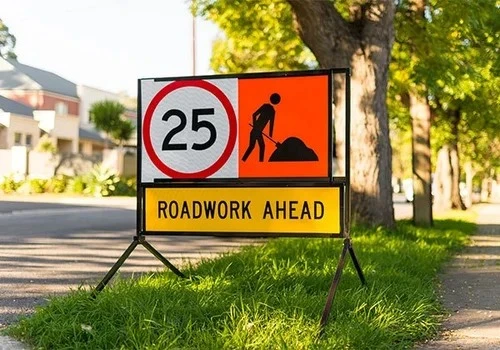
Roadworks, construction projects, utilities maintenance, and public events all share one common challenge: keeping people safe while traffic continues to flow. Poorly planned traffic control doesn’t just cause delays — it increases the risk of accidents, legal liability, and costly project disruptions. That’s why professional traffic guidance has become a core requirement for projects of all sizes, not just major infrastructure works.
Effective traffic management isn’t about placing a few signs and cones. It’s a carefully structured process that considers road users, workers, environmental conditions, and regulatory compliance. When done right, it protects everyone involved while keeping projects on schedule.
What a Traffic Guidance Scheme Really Does
A Traffic Guidance Scheme outlines how vehicles, pedestrians, and cyclists will be safely directed around a worksite. It includes signage placement, lane closures, detours, speed controls, and safety buffers. More importantly, it ensures compliance with local authority standards and workplace safety legislation.
Engaging specialists for TGS Traffic Management ensures that these schemes are not only compliant but practical in real-world conditions. Experienced planners understand traffic behavior, peak flow patterns, and how to reduce confusion before it turns into risk.
Urban Complexity Requires Local Expertise
Traffic planning in busy metropolitan areas presents unique challenges. High vehicle volumes, pedestrian congestion, public transport routes, and restricted work zones demand precision and local knowledge. A one-size-fits-all approach simply doesn’t work in dense urban environments.
This is where TGS Melbourne plays a critical role. Melbourne’s complex road networks and strict regulatory frameworks require traffic management plans that are tailored, adaptable, and designed with local conditions in mind.
Understanding the Real Cost of a Traffic Management Plan
Many project managers focus on timelines and materials while underestimating the financial impact of traffic planning. In reality, traffic control costs can vary significantly depending on project scope, duration, and risk level.
Factors influencing Traffic Management Plan Cost include site complexity, number of traffic controllers required, signage needs, approval processes, and contingency planning. Investing in a well-designed plan upfront often reduces long-term costs by preventing delays, fines, and safety incidents.
Risk Assessment Is the Backbone of Traffic Safety
Every traffic management plan must be built on a thorough risk assessment. This process identifies potential hazards such as reduced visibility, high-speed traffic, pedestrian crossings, and emergency vehicle access.
A detailed Traffic Management Plan Risk Assessment ensures that risks are not only identified but actively mitigated through design and control measures. This proactive approach protects workers, road users, and project stakeholders while meeting legal safety obligations.
Regional Projects Need Localized Planning
Traffic management in regional and remote areas brings a different set of challenges. Longer road stretches, limited alternative routes, wildlife risks, and varying weather conditions all impact how traffic should be controlled.
Developing effective traffic management plans Tasmania requires an understanding of local road conditions, council requirements, and seasonal factors. Plans must be flexible enough to adapt to changing environments while maintaining strict safety standards.
Compliance Isn’t Just About Avoiding Penalties
Regulatory compliance is often viewed as a box-ticking exercise, but in traffic management, it directly impacts safety outcomes. Non-compliant plans can lead to project shutdowns, insurance issues, and serious legal consequences if incidents occur.
Well-prepared traffic management documentation demonstrates due diligence and professionalism. It reassures councils, contractors, and the public that safety has been prioritized at every stage of the project.
Communication Keeps Traffic Flowing Smoothly
Even the most detailed traffic plan can fail without clear communication. Road users need intuitive signage, consistent lane markings, and advance warnings to navigate changes safely.
Traffic controllers also rely on clear instructions and contingency procedures. When everyone understands the plan, confusion is minimized, and traffic continues to move efficiently despite disruptions.
Planning for the Unexpected
No project runs exactly as planned. Weather changes, equipment delays, or emergency access requirements can all impact traffic flow. A strong traffic management plan includes contingencies that allow teams to respond quickly without compromising safety.
This flexibility is what separates basic traffic control from professional traffic management. It ensures that safety remains consistent even when conditions change.
Conclusion
Safe and effective traffic management is a critical component of modern infrastructure and construction projects. From urban worksites to regional road upgrades, professionally designed traffic plans reduce risk, control costs, and keep projects moving forward. For businesses and contractors seeking compliant, practical, and locally informed solutions, OnPoint TGS Plans delivers traffic management strategies designed to meet real-world demands with precision and reliability.