Agriculture is one of the most important sectors of the Indian economy, providing employment and food to millions of people. Over the years, farming methods have changed significantly with the introduction of modern agricultural machinery. Among all farming equipment, tractors have become one of the most valuable tools for farmers. They help reduce manual labour, save time, improve productivity, and make agricultural activities easier.
Modern tractors are equipped to handle multiple farming activities efficiently and effectively. They are versatile agricultural vehicles that support various farming operations, from land preparation to transportation. With technological advancements, tractors are helping Indian farmers move towards more efficient and productive farming practices.
Importance of Tractors in Indian Agriculture
Modern agriculture relies heavily on tractors to perform essential farming operations efficiently and effectively. Earlier, farmers depended heavily on traditional tools and animal power to complete farming activities. These methods required considerable time and physical effort. The introduction of tractors has made agricultural operations faster and more convenient.
1. Saving Time and Labour
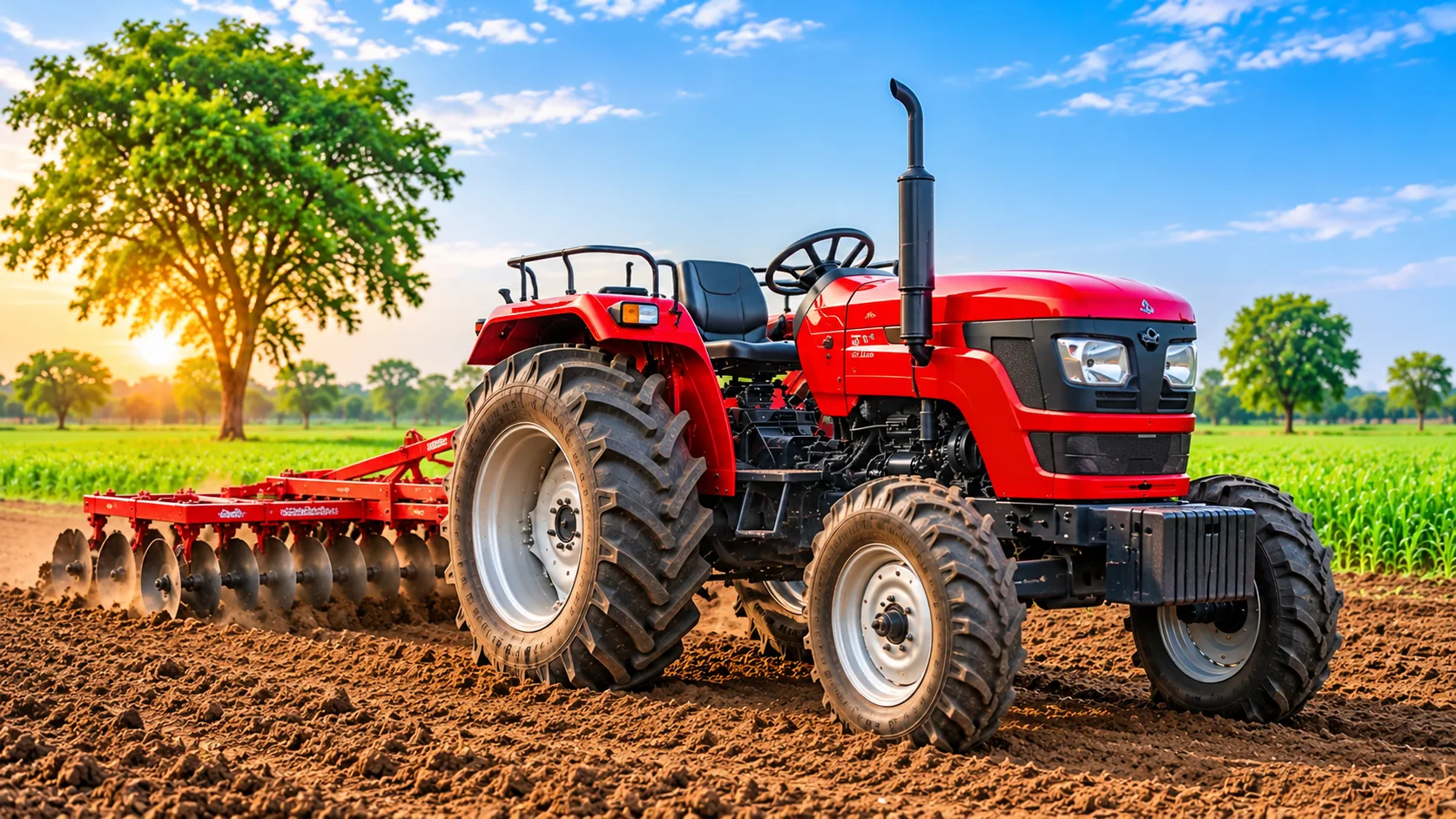
One of the biggest advantages of tractors is their ability to complete farming tasks quickly. Activities such as ploughing, cultivating, and levelling land can take many hours when performed manually. A tractor equipped with suitable implements can complete these jobs in less time.
Tractors also reduce the need for excessive manual labour, allowing farmers to manage their agricultural activities more efficiently.
2. Improving Agricultural Productivity
Timely farming operations are important for achieving better crop production. Tractors help farmers prepare their fields at the right time, sow seeds efficiently, and perform other essential agricultural activities.
By using suitable tractor attachments, farmers can complete multiple operations with a single machine. This improves work efficiency and helps maintain a better farming schedule.
3. Supporting Different Farming Activities
Advanced tractors can carry out various farming tasks with ease and improved efficiency. Depending on their horsepower and compatibility with implements, they can be used for:
Ploughing and tilling fields.
Rotavating and preparing soil.
Sowing seeds and planting crops.
Spraying fertilisers and pesticides.
Transporting agricultural materials.
Operating certain harvesting equipment.
This versatility makes tractors a valuable investment for farmers with different agricultural requirements.
Different Types of Tractors Used in India
India has different agricultural conditions, soil types, and farm sizes. As a result, tractor companies produce different models to suit farmers' diverse agricultural requirements.
1. Mini Tractors
Mini tractors are suitable for small farms, orchards, vineyards, and gardening activities. Their compact size makes them easy to operate in narrow spaces. They are generally preferred by farmers who need a tractor for light agricultural work.
2. Utility Tractors
Utility tractors are among the most commonly used tractors in Indian agriculture. They are suitable for general farming operations such as ploughing, cultivation, transportation, and operating different agricultural implements.
3. Heavy-Duty Tractors
Powerful tractors are built to handle challenging farm operations, offering strong engine performance and increased towing capabilities. Farmers with larger agricultural land and heavy equipment requirements may find these tractors useful.
How to Choose the Right Tractor for Your Farm
Buying a tractor is an important financial decision for every farmer. Selecting the right model requires understanding farming needs, land conditions, and budget.
1. Consider Tractor Horsepower
A tractor's horsepower is a key consideration when choosing the right model for different agricultural tasks and farming requirements. Small farms and lighter operations may require lower horsepower, while larger farms and demanding applications may need more powerful tractors.
Farmers should choose horsepower according to the implements they plan to use and the type of agricultural work they perform.
2. Check Fuel Efficiency
Fuel expenses are an important part of tractor ownership. A fuel-efficient tractor can help farmers manage operating costs over time. Before purchasing, it is useful to compare engine specifications, expected fuel consumption, and performance.
3. Understand Maintenance Requirements
Regular maintenance helps improve tractor performance and extend its working life. Farmers should consider the availability of spare parts, authorised service centres, and maintenance support before selecting a tractor brand.
4. Compare Features and Pricing
Each tractor model varies in terms of its features, technical details, and overall cost. Farmers should compare engine performance, transmission, lifting capacity, comfort, and warranty conditions before making a final decision.
Role of Modern Technology in Tractors
Technology has transformed the agricultural machinery industry. Modern tractors come with improved engines, better transmission systems, ergonomic seating, and advanced operating features.
Some models also include digital instrument panels, power steering, efficient hydraulic systems, and other features that improve the overall driving experience.
These developments help farmers operate machinery more comfortably and complete agricultural tasks with greater precision.
Benefits of Tractor Attachments and Implements
A tractor becomes even more useful when combined with suitable agricultural implements. These attachments allow farmers to perform several operations without purchasing separate machines for every task.
Common Tractor Implements
Some commonly used tractor implements include:
Rotavator: Used for soil preparation and breaking soil clods.
Cultivator: An agricultural implement used to loosen, break up, and prepare the soil before planting seeds.
Plough: Used for turning and preparing agricultural land.
Seed Drill: Helps place seeds at suitable depths and spacing.
Trailer: Used for transporting crops, fertilisers, and other materials.
Sprayer: Helps apply agricultural chemicals to crops.
Choosing compatible implements according to tractor capacity can improve efficiency and support better farm management.
Future of Tractors in Indian Agriculture
India's tractor industry has strong growth potential as more farmers embrace advanced farming methods and innovative technologies. Manufacturers are focusing on developing tractors with improved fuel efficiency, better performance, greater comfort, and advanced features.
Electric tractors and precision farming technologies are also gaining attention as the agricultural industry explores more sustainable solutions.
As farming requirements continue to change, tractors will remain an important part of agricultural development. They can help farmers manage larger workloads, reduce operational difficulties, and improve the overall efficiency of farming.
Conclusion
Tractors now play a vital role in supporting and strengthening India's agricultural sector. From preparing farmland to transporting harvested crops, they support farmers in numerous agricultural activities. Their versatility, efficiency,and ability to work with different implements make them an essential investment for modern farming.