
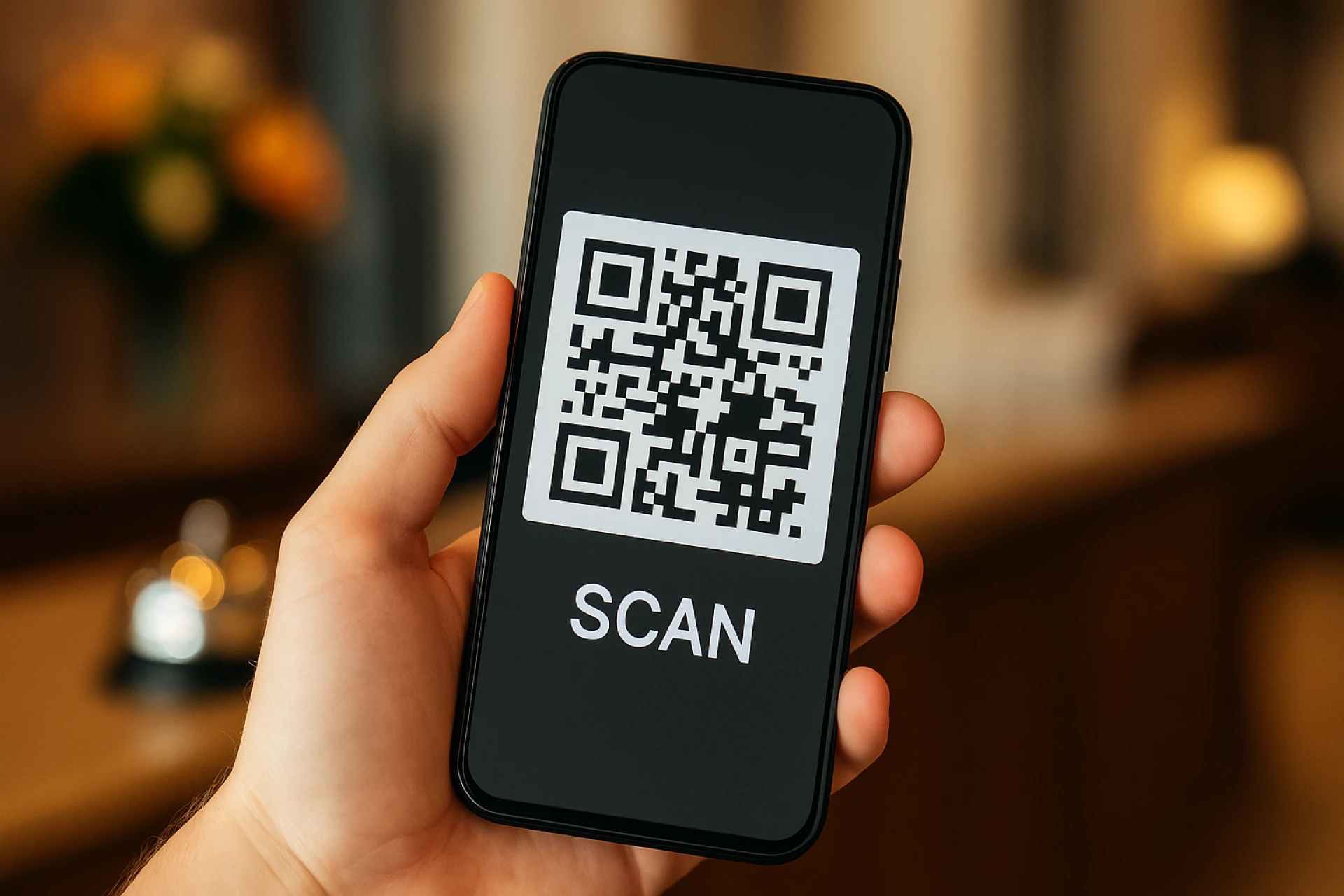
QR codes have evolved far beyond their original purpose. In 2025, they’re not just a convenient way to share links — they’re powerful tracking tools that reveal how people interact with your offline materials and how they arrive on your website.
If you’re putting QR codes on menus, packaging, posters, brochures, or storefront signs, tracking them can give you insights you can’t get anywhere else. Here’s a simple breakdown of how it works and how you can start using QR data to improve your marketing.
Why QR Code Tracking Is So Useful
When someone scans your QR code, you gain access to valuable information such as:
- number of total scans
- unique vs. repeat scans
- locations where scans occurred
- device type (Android/iOS)
- scan timestamps
- campaign or placement performance
This transforms offline engagement into measurable analytics — something businesses struggled with for years.
How QR Tracking Works Behind the Scenes
There are two main methods you can use to track activity from QR codes:
1. Dynamic QR Codes
A dynamic QR code points to a redirect link that captures scan data before sending the user to your actual page.
Benefits include:
- updatable destination link
- scan analytics
- device and location data
- long-term campaign tracking
These are perfect for printed materials.
2. URLs With UTM Tracking
UTM tags identify exactly where your website visitors came from.
Example:
https://yourwebsite.com/?utm_source=flyer&utm_medium=qr&utm_campaign=spring2025
This helps you compare multiple QR code placements with ease.
How to Start Tracking QR Codes Effectively
Step 1: Create different links for different placements
If you place QR codes in:
- different stores
- multiple posters
- separate events
- several product packages
…use a unique link for each. This helps you understand what location or design performs best.
Step 2: Generate the QR codes using a tracking-enabled generator
Look for tools that offer:
- analytics dashboards
- dynamic QR code editing
- UTM support
- scan history
(Your platform generate-qr-code.com is able to do this.)
Step 3: Publish or print your QR codes
Place them where customers naturally interact:
- menus
- cashier counters
- windows
- flyers
- packaging
- brochures
- event materials
Make sure the QR code is easy to scan and visually clear.
Step 4: Review the analytics
You’ll see information such as:
- busiest scanning times
- top-performing locations
- mobile device split
- growth trends
- campaign results
These insights help you refine your strategy over time.
Step 5: Compare and improve
Tracking allows you to identify patterns like:
- which posters attract more attention
- whether QR codes perform better indoors or outdoors
- what design encourages more scans
- whether changing placement increases engagement
This leads to smarter decisions and better results.
Where Businesses Are Using QR Tracking Today
QR codes are incredibly versatile. Some popular uses include:
- Restaurants: digital menus + table activity
- Events: attendee check-ins and schedule access
- Retail: product info and promotional displays
- Service providers: tracking brochures and invoices
- Print ads: verifying if flyers and posters actually work
Any time you print something, QR tracking can help you understand its impact.
Final Thoughts
QR code tracking gives you clear visibility into how the offline world interacts with your website. It’s simple to set up, easy to use, and extremely effective for improving marketing decisions in 2025.
To start generating trackable QR codes, visit: